




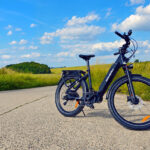
This Dukawey FUGL 3.0 is a response to these stricter regulations. It has a 250-watt motor with a peak power output of up to 650 watts to give you a little boost when needed. This is a design you’ll find in many other Chinese bikes. This isn’t the first 250-watt bike I’ve tested, and yet I’m still pleasantly surprised by how this type of bike performs. Its price point will also make it very attractive to a fairly broad audience, but you should be aware of certain limitations.
That’s what I invite you to discover in this review.
Special Offer
The Dukawey FUGL 3.0 is available exclusively at Gleecycle, and by using my link, you can get an additional €50 discount:Activate the promo:
This link will redirect you to the homepage, and the discount will appear in your cart.
To purchase the bike or get more information:
Dukawey FUGL 3.0 / Gleecycle
Video Test
This bike is part of a collection of step-through bikes that I invite you to explore:step-through bikes
Timeline
Early June 2026: I received the bike, but the weather is very rainy, so I’ll have to wait to start the testJune 13, 2026: The sun is finally back, so I’ll be able to take advantage of it to ride my first few kilometers. The rest of the test will depend on the weather.
Unboxing
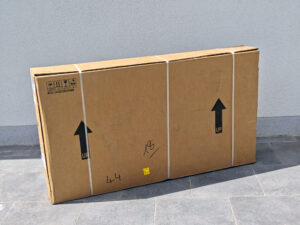
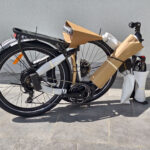
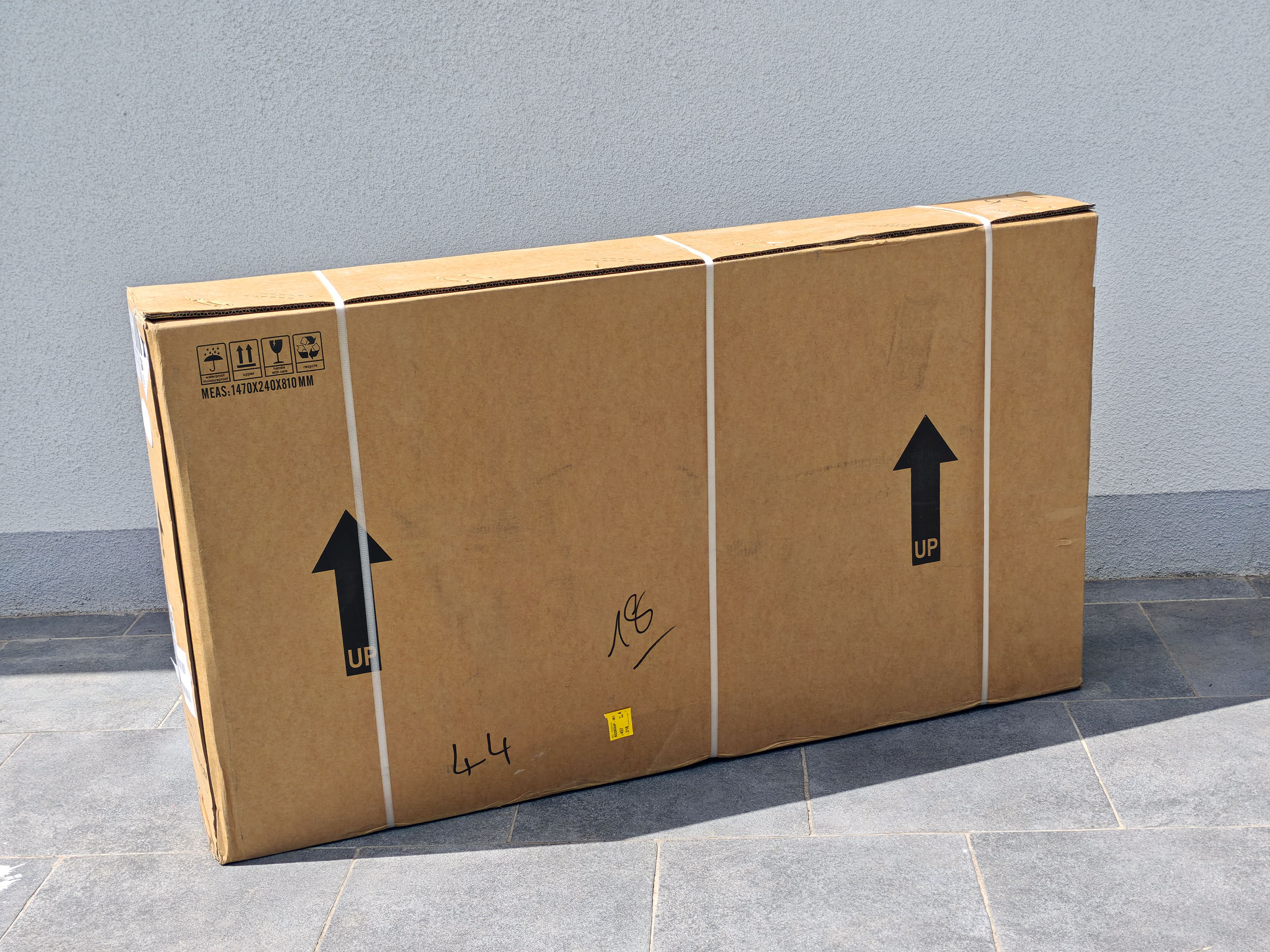
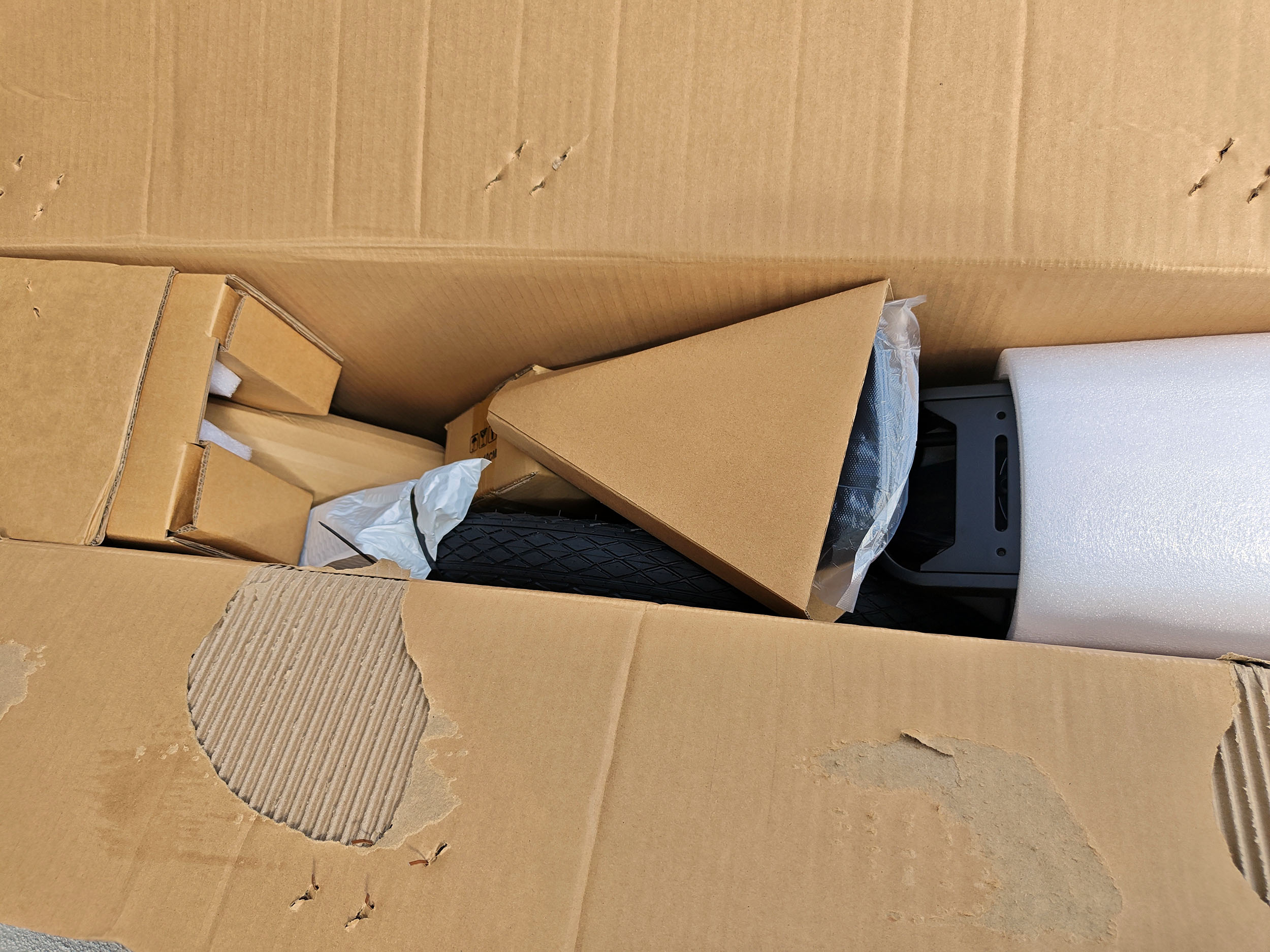
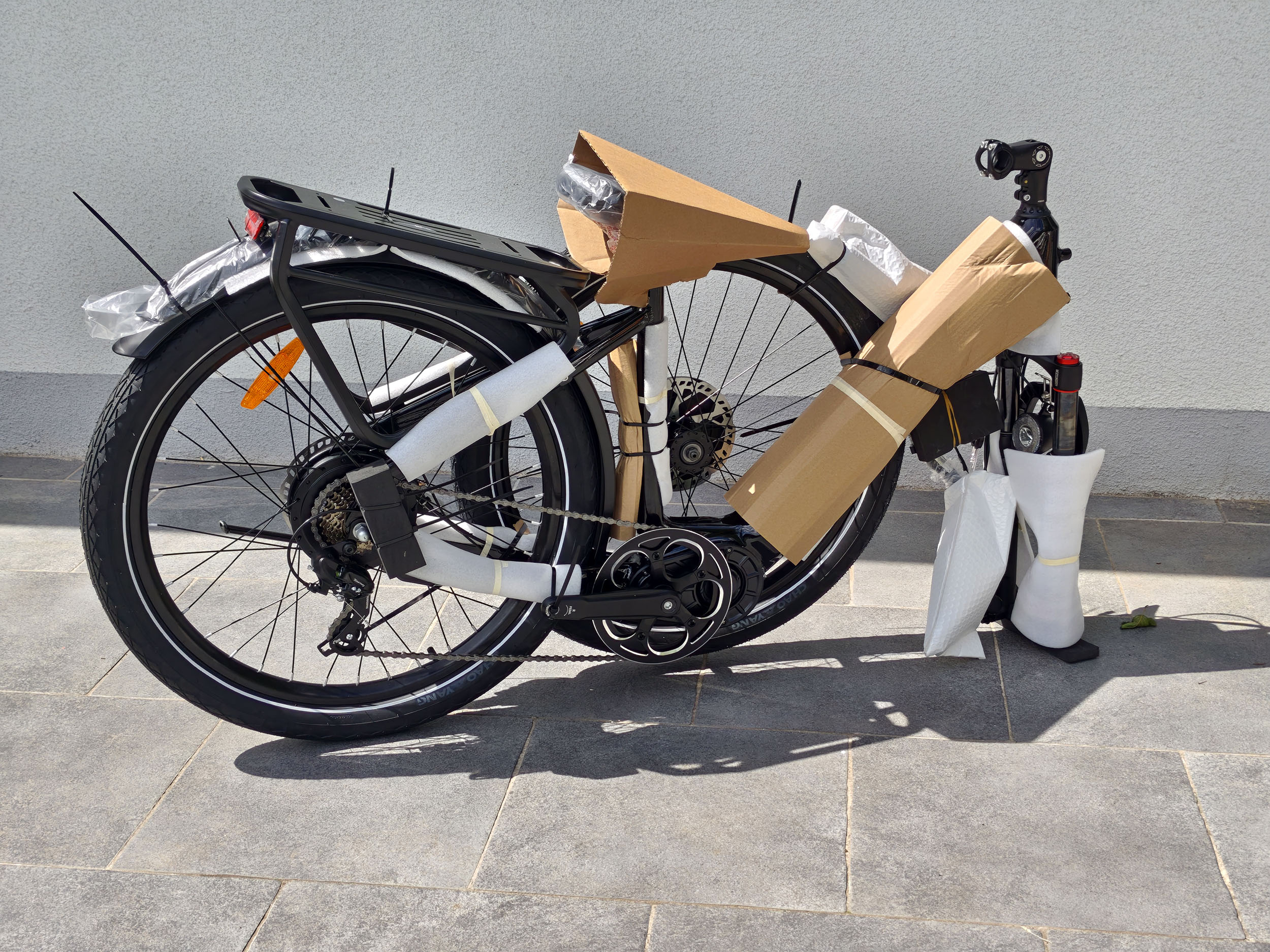
The Dukawey FUGL 3.0 comes in a very standard cardboard box, and as usual, the whole package is quite heavy—the bike weighs 29 kg. It’s very well packaged, and in fact, the part of the assembly process that took me the longest was unboxing it. There are protective covers all over the place, and removing them takes longer than installing the front wheel or the pedals. Assembly is fairly simple: you need to attach the handlebars, install the front wheel, the fender, and the pedals.

Dukawey FUGL 3.0 Technical Specifications
| Type | Open-frame urban e-bike |
|---|---|
| Motor | 250 W brushless, peak power 650 W |
| Torque | 65 Nm |
| Battery | 48 V, 14 Ah, 672 Wh, removable |
| Claimed range | Up to 120 km in pedal-assist mode |
| Assisted speed | 25 km/h |
| Sensors | Torque sensor + cadence sensor, selectable mode |
| Drivetrain | Shimano 7-speed |
| Derailleur | Shimano TY300 |
| Brakes | Hydraulic disc brakes |
| Tires | 26 x 2.5 inches |
| Fork | Hydraulic spring suspension front fork |
| Frame | 6061 aluminum |
| Display | Color LCD display |
| Charger | 48 V, 3 A |
| Charging time | 4 to 5 hours |
| Weight | 29.5 kg with battery |
| Maximum load | 180 kg |
| Recommended height | 160 to 190 cm |
| Bike length | 1800 mm |
| Wheelbase | 1150 mm |
| Saddle height | 850 to 1000 mm |
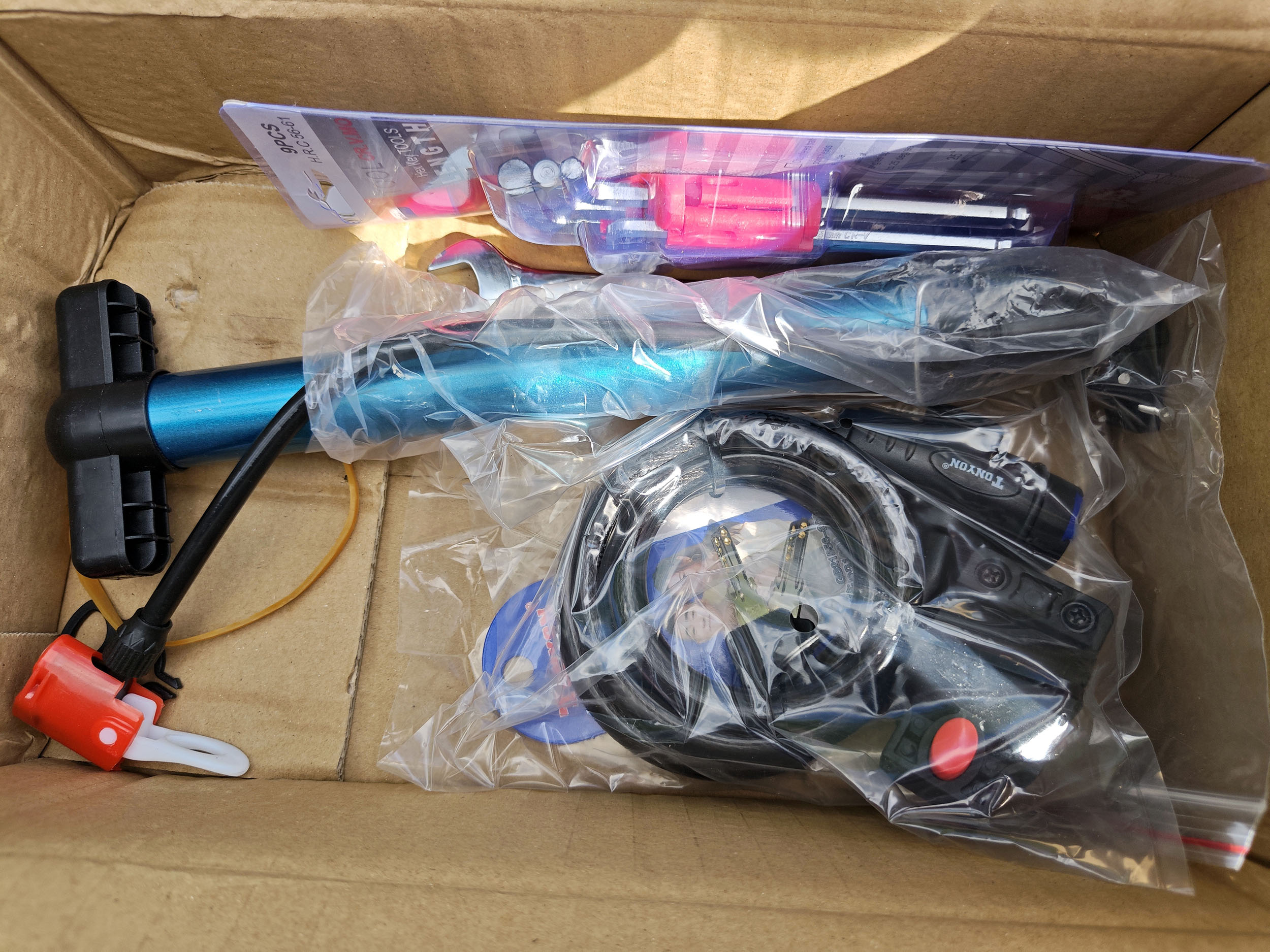
| Included accessories | Fenders, rear rack, charger, pedals, cable lock, pump, and tools |
Overview
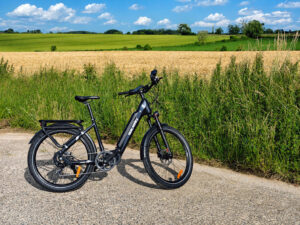
The Dukawey FUGL 3.0 has a fairly classic look; it’s not the kind of bike that will turn heads, and I think that’s just fine. It comes in several colors; I tested the black version, and I think it pairs well with the battery so that it blends in visually with the bike’s frame.
Frame
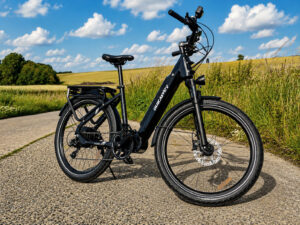
The V-shaped frame is fairly standard for this type of bike; it’s comfortable for riders of all heights, and the various adjustable features make it accessible to a wide range of users—though I’ll go into more detail on these points later in the review.
Handlebars
The handlebars are undoubtedly this bike’s most distinctive feature; it’s equipped with Dutch-style chopper handlebars. This type of handlebar is oriented toward the rider, encouraging a more upright riding position and a rather different hand placement. I’d never ridden with handlebars like this before, and I have to admit that I’d always thought this type of handlebar looked a little ridiculous...until I tried one out. The shape feels quite unusual to me, but it’s provided two significant benefits.
The first is that with a more upright position, there’s significantly less pressure on my wrists, and my back is much less hunched. Given my height (194 cm), I often find myself in an uncomfortable position on the bike because either the saddle or the handlebars aren’t suited to my height. That’s no longer the case with this type of handlebar.
The second benefit has to do with the position of my hands and wrists. The pressure is better distributed, and I didn’t feel any fatigue in my wrists after a long ride.
Motor
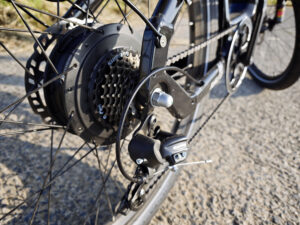
The Dukawey FUGL 3.0 is equipped with a 250-watt motor with a short boost up to 650 watts to help you get started. 250 watts might not sound like much, but it actually works really well. As I mentioned in the introduction, I’ve tested several bikes of this type, and it’s actually with bikes like these that I’ve achieved my best ride times on my test routes. Of course, you still have to pedal a bit—it’s not a moped—but the assist kicks in when you need it. The 65 Nm of torque isn’t the highest I’ve had the chance to test, but with that 650-watt boost, the bike is very responsive and really gives the impression that it’s ready to go all out—it’s always ready to spring into action.
Crankset/Cassette:
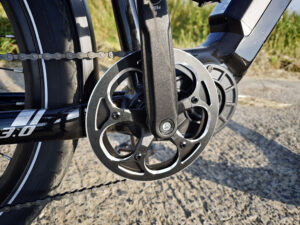
The Dukawey FUGL 3.0 has a setup that will have you pedaling hard pretty quickly. With a 46-tooth chainring and a 14-tooth cassette, you get a gear ratio of less than 7 meters per pedal revolution. In and of itself, this isn’t a problem—since I imagine buyers of this type of bike aren’t looking to win the Tour de France—but it’s important to understand what this means for the bike’s handling.
The advantage of this type of setup is that the pedaling effort is low—in fact, it’s one of the lowest I’ve tested. The downside is that you’ll have to turn the pedals a lot to go faster.
For example, you need a cadence of 60 revolutions per minute to reach 25 km/h—which is still quite manageable and comfortable—but if you want to ride at 32 km/h, for instance, you’ll have to maintain 80 revolutions per minute. Well, that’s not really the point of riding this kind of bike at 32, so I imagine it won’t be a problem. I really enjoy pushing myself to the limit when I’m out on my bike, and with this setup, I find myself tearing through the surrounding countryside.
Wheels
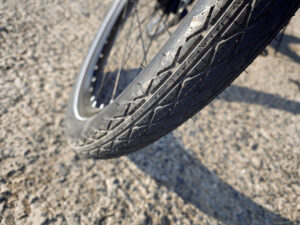
This bike is equipped with 26-inch wheels and 2.5-inch tires. It’s a setup quite similar to a mountain bike. So you’ll have no problem riding on roads or trails with these tires, but I’d avoid paths that are too bumpy because the tires aren’t designed for that, and the lack of rear suspension will make for a rough ride.
Suspension
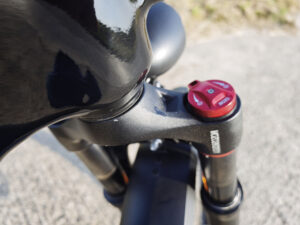
The Dukaway FUGL 3.0 is equipped only with front suspension, which has a travel of a good ten centimeters. I can easily lean on it, and it will absorb my weight without any issues. However, there’s no rear suspension, but in this price range, that’s not very common. If you’re riding on roads or trails in good condition, the lack of rear suspension won’t be a problem.
I filmed a clip of myself riding on a trail in very poor condition; I’ll add it to the video review I still need to post—it wasn’t a memorable experience!
Brakes
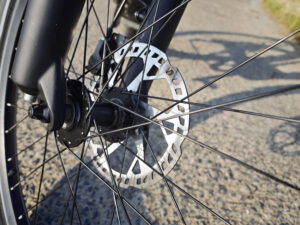
The brakes are hydraulic disc brakes; they stop the bike adequately, but I find they lack a bit of bite. I’ll go into more detail about my braking times later in the review, but I’d say this bike is just about average in that regard. In fact, I had to tighten the front brake because it was too loose and started squealing after a few braking actions.
Saddle
The saddle is always a bit of a surprise with bikes. Given my height, I usually need a long seatpost, and unfortunately that kind of setup is pretty rare. I was surprised by the length of this bike’s seatpost because I clearly have to raise the saddle well beyond the adjustment range, but even so, I still have plenty of room to spare. This bike will therefore allow taller riders to find a balance that I sometimes struggle to find on other bikes.
Battery
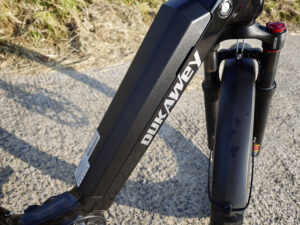
The battery has a lower capacity than what I’m used to testing; with 14 Ah, you can’t really expect to get a very long range. For example, I managed to exceed 130 km of range with the Lankeleisi KETT 8, but that bike is equipped with a 20 Ah battery. So, at first glance, this bike shouldn’t be able to perform as well, but I’ll come back to this point later in the review—and I have a pleasant surprise in store.
Display/Controls
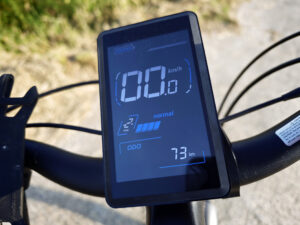
The display is fairly standard with all the usual indicators; it’s the same display found on most Lankeleisi models. The display is very easy to read even in direct sunlight; I just find it a shame that the battery indicator doesn’t show the remaining battery percentage because the battery bars don’t decrease linearly, so it can be a bit misleading.
Accessories
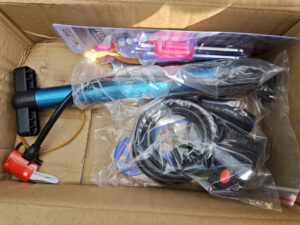
The bike comes very well equipped as standard with front and rear lights, a rack, a pump, a lock, Allen wrenches, and even metal fenders! It might seem like a minor detail, but most e-bikes I test come with plastic fenders, and those warp and rattle at the slightest bump. If you secure the front fender tightly, you won’t feel like you’re dragging pots and pans behind you.
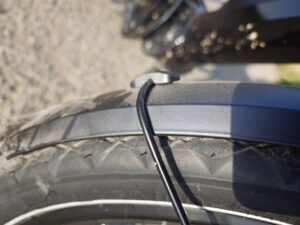
There’s just one odd thing about the fender’s design: the mounting screws face inward. So if the tire is highly inflated, it could come into contact with the screws when riding over rough terrain.
Road Test
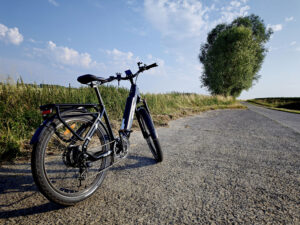
I tested this bike on my usual 32-km route. I set out thinking I’d mostly be spinning the cranks because of the 46/14 gear ratio. I did indeed spend most of the ride spinning the pedals, but in the end, that allowed me to improve my ride time. When I improve my time, it’s usually by just a few seconds, but with this Dukawey FUGL 3.0, I shaved a full minute off my best time.
If I look at my ride times with the last two 250-watt bikes I tested, here’s what I get:
Lankeleisi Kett 8:
Ride time: 1:13:41
Max heart rate: 162
Average heart rate: 145
Average speed: 25.9 km/h
Maximum speed: 47.8 km/h
Lankeleisi RX600 Pro
Ride time: 1:13:32
Maximum heart rate: 170
Average heart rate: 153
Average speed: 26.1 km/h
Max speed: 49.6 km/h
And, drumroll please, for the Dukawey FUGL 3.0
Ride time: 1:12:32
Max heart rate: 151
Average heart rate: 140 (estimate)
Average speed: 26.4 km/h
Max speed: 51.7 km/h
That’s not a typo—I improved my time by exactly one minute! And that time isn’t the only interesting thing. My heart rate peaked at 151, which is well below the other two rides. The estimated average heart rate is also lower, and the average speed is higher. So I really hit the jackpot with this bike.
I thought this crankset setup wouldn’t provide enough resistance to ride at a good pace, but it turned out to be the exact opposite. I probably left my mark all over the countryside wherever I went, but it allowed me to ride faster without getting tired. An average of 140 heartbeats over more than 30 kilometers while riding at full speed the whole time—it was a real breeze. I never had to shift gears; I stayed in the highest gear the entire way. I used assistance level 2 for most of the ride.
What also surprised me was the top speed—I’d never managed to go faster than 50 km/h on an e-bike before. I should note that I didn’t unlock the bike’s speed limiter and reached this speed by pushing as hard as I could on a downhill stretch.
Braking Test
To conduct mybraking test, I always follow the same procedure. I accelerate the bike to 25 km/h, stabilize it, and then brake as hard as possible—first with the front brake, then with the rear brake, and finally with both brakes. I then measure the braking time to compare it with other bikes I’ve tested.
Here are the results:
| Brake used | Braking time | Braking distance | Deceleration | G-force equivalent |
|---|---|---|---|---|
| Front brake | 3.467 s | 12.04 m | 2.00 m/s² | 0.204 g |
| Rear brake | 2.011 s | 6.98 m | 3.45 m/s² | 0.352 g |
| Both brakes | 1.979 s | 6.87 m | 3.51 m/s² | 0.358 g |
Was my impression correct? Yes, this braking isn’t particularly aggressive. It’s a decent level of braking with average results. The front brake is clearly not sufficient for emergency braking—it’s not designed for that anyway. It’s really the rear brake that does all the work and brings the bike to a good stop. Since the brakes are reversed compared to a normal bike, you’ll have to retrain your brain to use the left brake primarily, as the right one is significantly weaker.
Speed/Acceleration Test
For the first time, I used milliseconds in my acceleration test to make it more precise, and I added calculations that give an idea of the motor’s responsiveness.
Here are my results:
| Level | Time 0–25 km/h | Distance | Acceleration | G | Acceleration Gain |
|---|---|---|---|---|---|
| 1 | 9.001 s | 31.25 m | 0.771 m/s² | 0.079 g | — |
| 2 | 8.968 s | 31.10 m | 0.774 m/s² | 0.079 g | +0.4% |
| 3 | 7.972 s | 27.68 m | 0.871 m/s² | 0.089 g | +12.5% |
| 4 | 6.968 s | 24.18 m | 0.996 m/s² | 0.102 g | +14.4% |
| 5 | 6.005 s | 20.85 m | 1.156 m/s² | 0.118 g | +16.1% |
If you’re used to cycling, you’ll find that levels 1 and 2 are more than enough for most of your trips, even on hills—as long as they’re short.
Stress Test
The accelerationtestlets me see how the motor performs at each assistance level; this uphill stress test will demonstrate that performance while also providing an indication of the cardiac effort required. The climb I use for my test is always the same—it’s 690 meters long with a 2.5% gradient. I ride it first without assistance and then with all levels of assistance. I measure the completion time as well as my maximum heart rate. Of course, I also note how it feels at each stage.
Level 0
Completion time: 1:59
158 beats per minute
How it felt: very difficult. However, I achieved a time similar to that of the other bikes, but the crank configuration forced me to pedal much harder than with the others.
Level 1
Ride time: 1:45
156 heartbeats
How it felt: easy but a lot of pedaling
Level 2
Ride time: 1:42
149 heartbeats
How it felt: easy
Level 3
Ride time: 1:40
144 heartbeats
How it felt: easy
Level 4
Duration: 1:40
145 beats per minute
Perceived effort: easy
Level 5
Duration: 1:41
136 beats per minute
Perceived effort: very easy
With these results, we can see that we’re really hitting the limit as early as Level 3. This limit isn’t imposed by the motor but rather by the pedaling cadence. We can also see here that the level of effort required at each level corresponds very well to the acceleration test. My heart rate decreases gradually, making the final level feel like a leisurely ride.
This bike therefore offers a motor configuration geared more toward comfort. The crankset configuration will make you pedal more but with less effort to reach the same speed as with another bike that would require more effort with fewer pedal strokes. This is a choice made by the manufacturer that, on paper, wasn’t going to suit my riding style because I prefer to push hard rather than spin fast, but in the end, the numbers speak for themselves. I do spin the pedals faster, but I go just as fast as other bikes (sometimes even faster) with significantly less fatigue.
Suspension Test
The last bike I tested was one of the most comfortable among those I’ve tried. Switching from the Lankeleisi KETT 8 to the Dukawey FUGL 3.0 wasn’t a huge shock, but the difference in comfort is quite significant. But don’t forget that the Dukawey costs about €1,000 less! For such a price difference, the Dukawey is a more than reasonable choice. The front suspension does its job very well, the saddle is comfortable, and the only thing it’s missing is something to absorb shocks at the rear.
This bike wasn’t designed to tackle rough terrain, so if you stick to roads or trails, you’ll probably never notice any issues related to the lack of rear suspension. Adjusting the tires will help you find the right balance.
I tested this bike on a cobblestone road in very poor condition—it shakes you from all sides. It’s not a super pleasant experience, but it’s also not something insurmountable like what I go through when I ride my road bike over the same stretch.
Battery Life
I still need to ride a few more kilometers to measure thebattery life, but for now I’m stuck at home because of the heat wave. It’s clearly too hot to ride in good conditions. I’ll update this section as soon as I’ve been able to test this bike’s limits.
Trail Test
This bike isn’t designed for riding on trails that are too rough, but you’ll have no problem riding on a trail in good condition. I rode this bike on my usual route, which takes me through fields on a farm road. So there are ruts, extra grass in the middle, and sometimes bricks and pebbles in the ruts. It wasn’t a memorable experience because some sections of the path are very rough, but on the parts in good condition, the bike handles it very well.Conclusion
The e-bike market is moving toward a more reasonable trend, with an increasing number of 250-watt e-bikes—a result of regulatory pressure in Europe and a desire to curb abuse. This means we’ll see a standardization of motors, and the differences between bikes will be less pronounced. You’ll therefore see bikes that look similar because they’ll have comparable specifications and performance. What will set them apart is the motor configuration, the type of crankset, battery range, and features.Let’s start with the motor on this Dukawey. It has a 250-watt motor—okay, that’s pretty standard—but with a peak of 650 watts. That’s already a key feature that will significantly reduce the effort required on the first pedal stroke. The torque provides excellent responsiveness, so you won’t have to stand up on the bike for that first pedal stroke. Levels 1 and 2 should generally be sufficient for flat terrain, which will help you achieve better battery life.
The crankset was something that surprised me a bit because, with a 46/14 setup, you need to pedal at 61 revolutions per minute to maintain 25 km/h, and you cover 6.8 meters with each pedal revolution. With a 48x11 setup like the Lankeleisi Kett 8, you cover more than 9 meters per pedal revolution at 46 revolutions per minute. So with the Dukawey, you have to pedal much more to maintain your speed, but there’s a very significant benefit: the effort required is significantly less. This crankset lets you achieve good performance with significantly less fatigue—it’s a trade-off that really surprised me.
Battery life: to be completed
The handlebars aren’t something I often mention in my conclusions because, in most cases, there’s nothing to say about them. With its Dutch-style handlebars, this Dukawey FUGL 3.0 offers a more upright riding position that’s easier on the back. It also makes this bike more accessible to taller riders like me; body weight is better distributed, and I felt less pressure on the grips.
However, not everything is perfect. The brakes perform adequately without being particularly sharp; the lack of rear suspension is noticeable on rough trails; and cyclists looking for a sportier ride may find the pedaling a bit too “sluggish.” These design choices, however, are consistent with the bike’s philosophy and its price point.
All in all, the Dukawey FUGL 3.0 is a pleasant surprise in this price range. It doesn’t aim to impress with raw power, but rather with its balance of comfort, ease of handling, and efficiency. If your goal is to ride comfortably on roads or well-maintained trails with a bike that’s affordable and enjoyable for everyday use, it’s undoubtedly one of the most appealing options I’ve tested so far.
Strengths:
Responsive motor:
Peak power of 650 watts:
Assist level settings:
Easy pedaling:
Fully equipped:
Metal fenders:
Less bulky battery in the frame:
Handlebar shape and riding position:
Classic bike bell in addition to the horn
Weaknesses:
Front brake is a bit spongy
The stem is adjustable, yes, but it’s really stiff
Front brake is sometimes noisy
Kickstand is too small
No rear suspension



Commentaires (2)