





Structure of my tests
I test the phones according to a pre-established structure (see below) to provide you with as much information as possible. Unfortunately, this takes a long time. Some tests like network performance tests take several days and for photo tests I sometimes have to wait until the weather is suitable to take pictures in good conditions. I am therefore obliged to publish the tests step by step, so I invite you to come back if the test is not complete at the time of your visit.Price
The list below shows the prices for the from more than 50 sites around the world. If you are not satisfied with any price, you can subscribe to a price alert to be the first to be notified when the price drops.The above links are affiliate links from companies such as Amazon, Gearbest, Aliexpress,... If you appreciate my work, I would be grateful if you could purchase these products through these links. It costs you absolutely nothing but I get a small commission that allows me to buy the material I test. Thank you very much!
Timeline
06/24/2020 I ordered the Xiaomi Mi 10 Lite 5G on Edwaybuy 06/27/2020 I receive the Mi Note 10 Lite instead of the Mi 10 Lite but before sending it back I start the test 07/07/2020 I return the Mi Note 10 Lite 07/10/2020 I receive the Mi 10 Lite 5G and the test can beginWhy this phone?
I mainly test phones under $ 300 because as I buy the phones, I pay attention to the price. Xiaomi is looking to move upmarket and its prices are also increasing, but always keeping the spirit of offering more than the competition. This obviously has a limit because the phones launched in 2020 are not fundamentally different from those launched in 2019, there are no more big innovations. The Xiaomi Mi Lite have always managed to offer a little something more than the Redmi range, this time it is 5G, an Amoled screen, more performance and a higher level of finish. Despite the strong price increase, the Mi 10 Lite is positioned very competitively because at the time of doing this test you will not find any other phone in this price range with 5G, good performance and a superb Amoled display.Unpacking
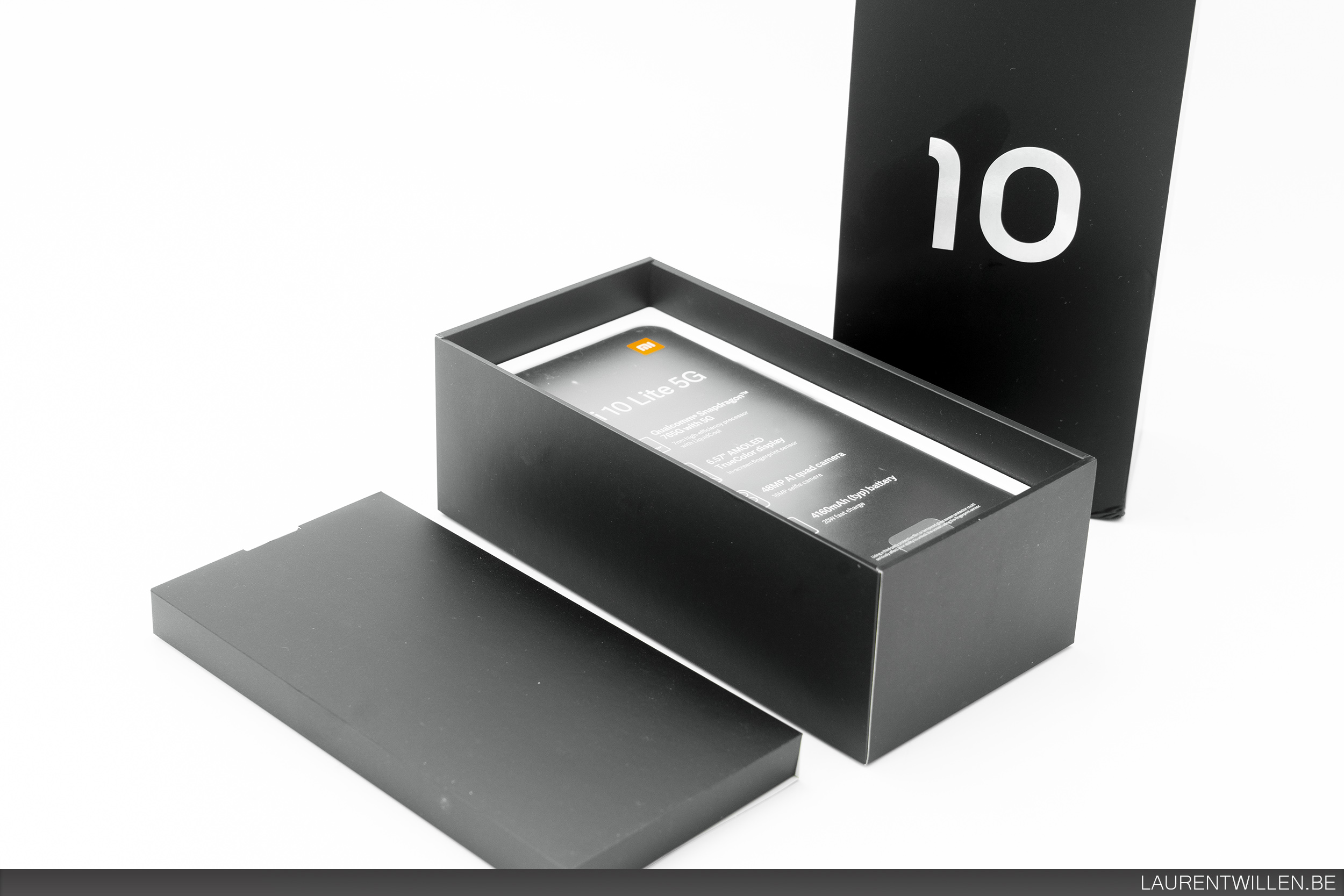
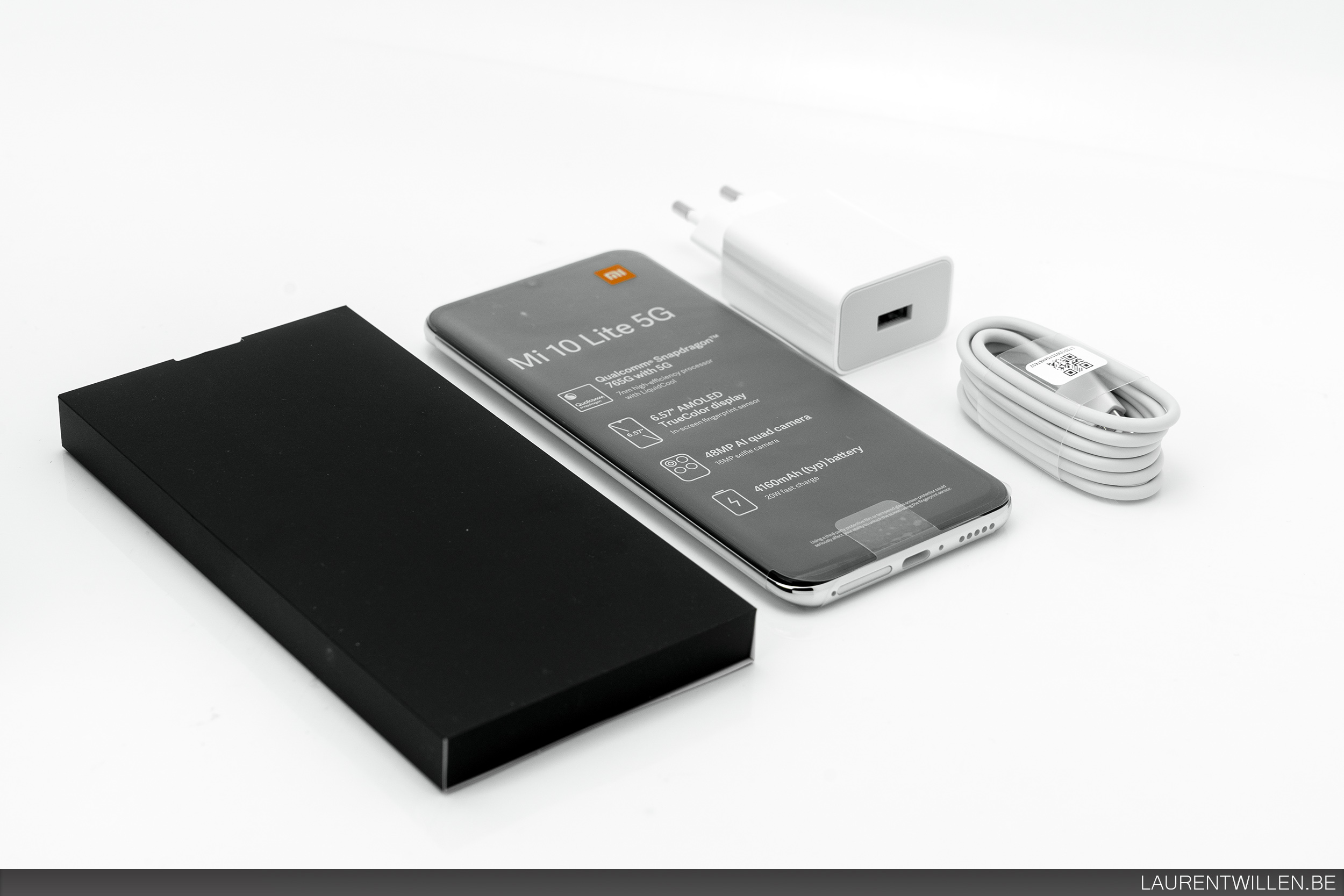
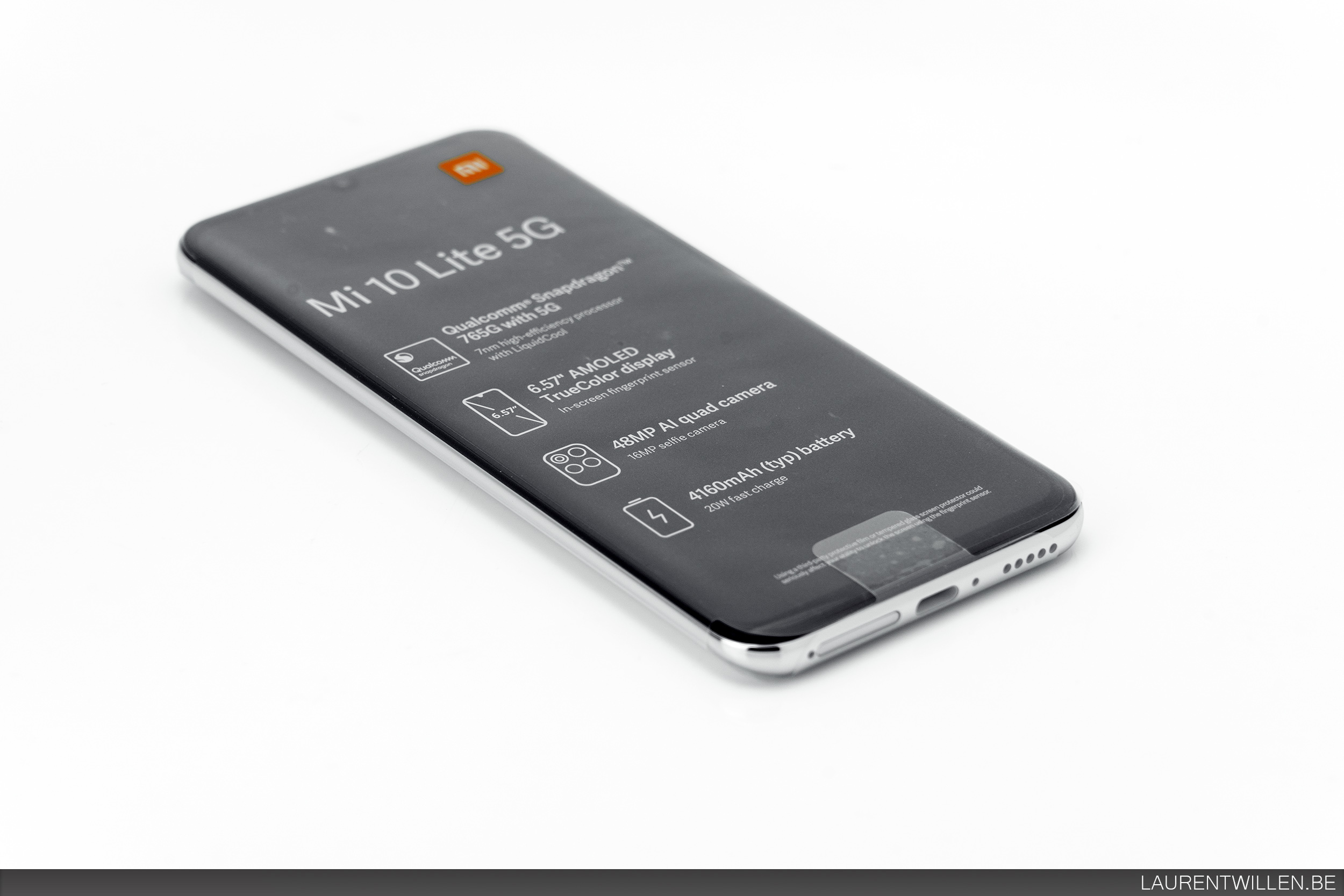
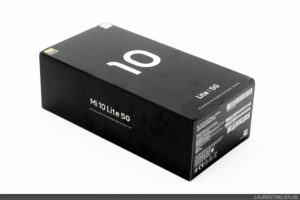 As I wrote above, I bought the Xiaomi Mi 10 Lite 5G from Edwaybuy and received a Xiaomi Mi Note 10 Lite instead. That's okay, it allowed me to test another phone without having to pay for it, and customer service played its part very well. When I received the Mi 10 Lite I had the impression that Edwaybuy had made a mistake again, the two phones look very similar. The box of the Mi 10 Lite is almost identical to that of the Mi Note 10 Lite and inside it is the same. The box contains the phone, a charger, a USB cable, transparent protection and the manual. So there is no difference with the Redmi range.



First configuration
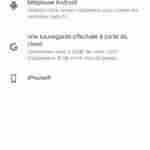
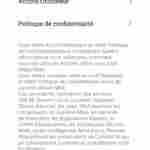
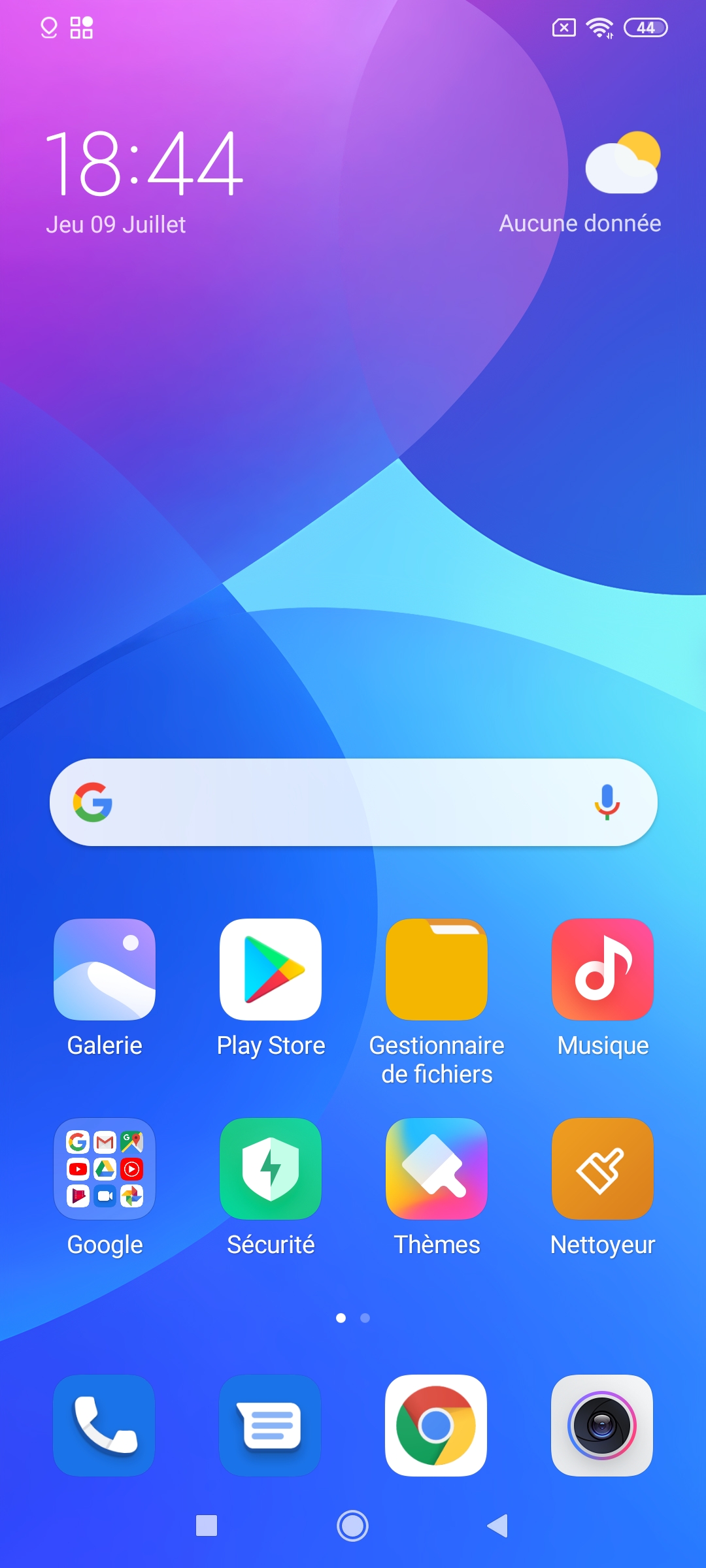
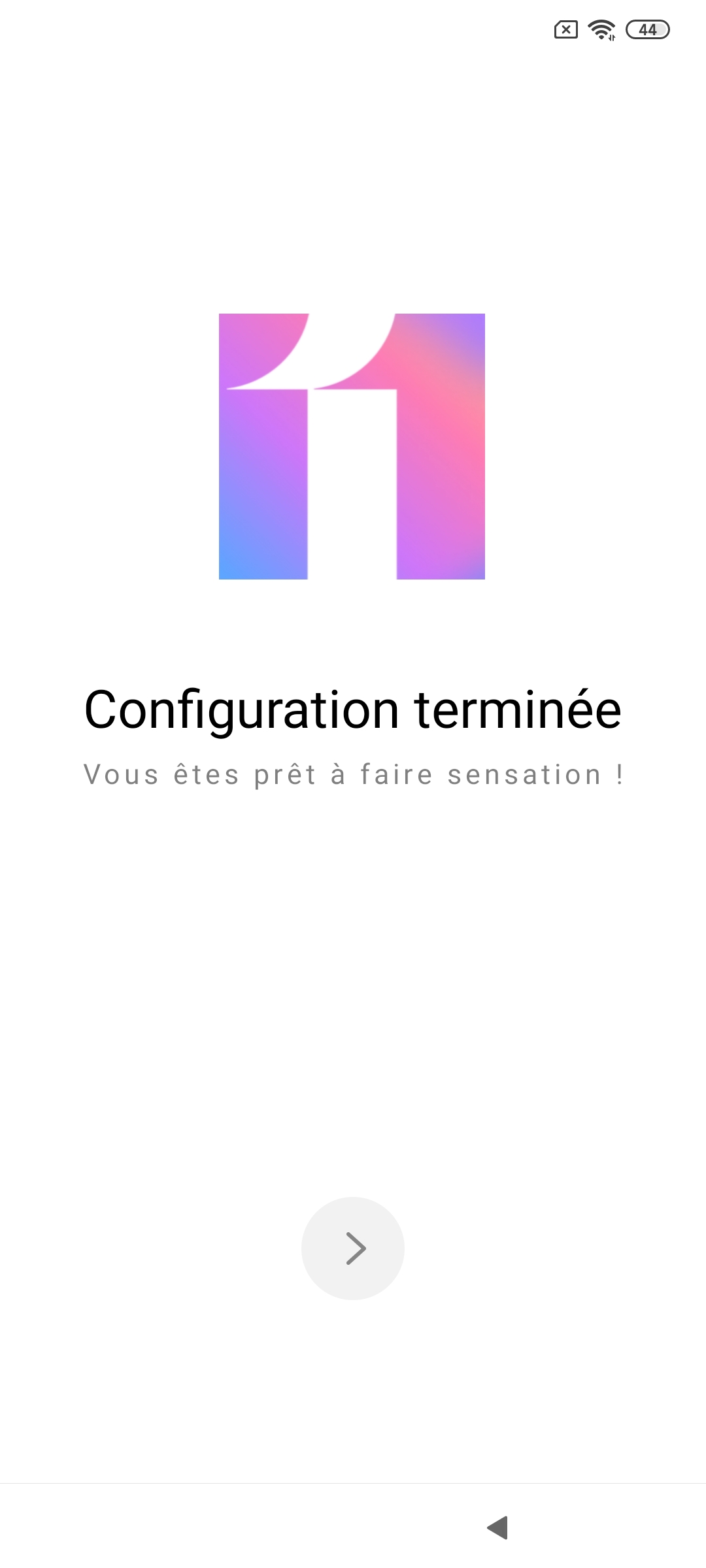
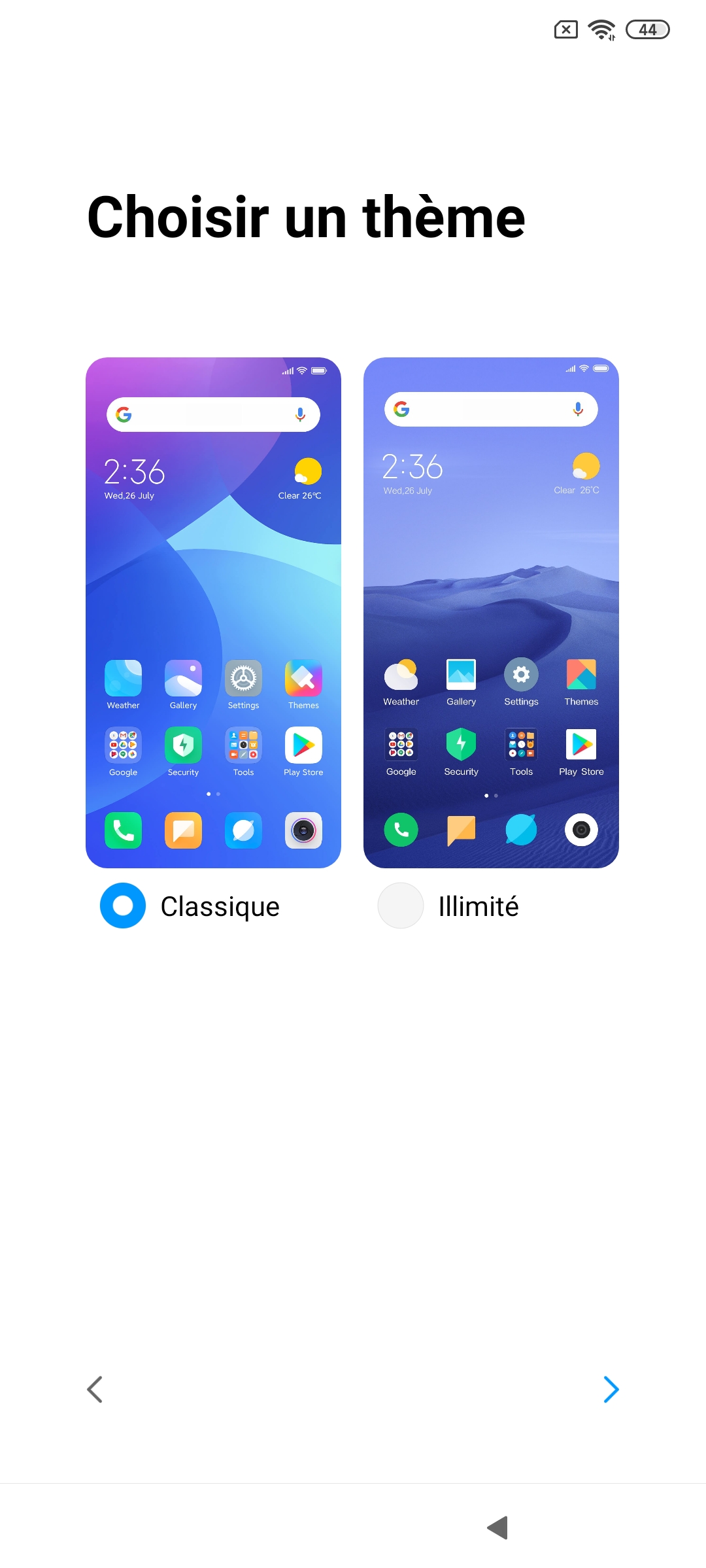
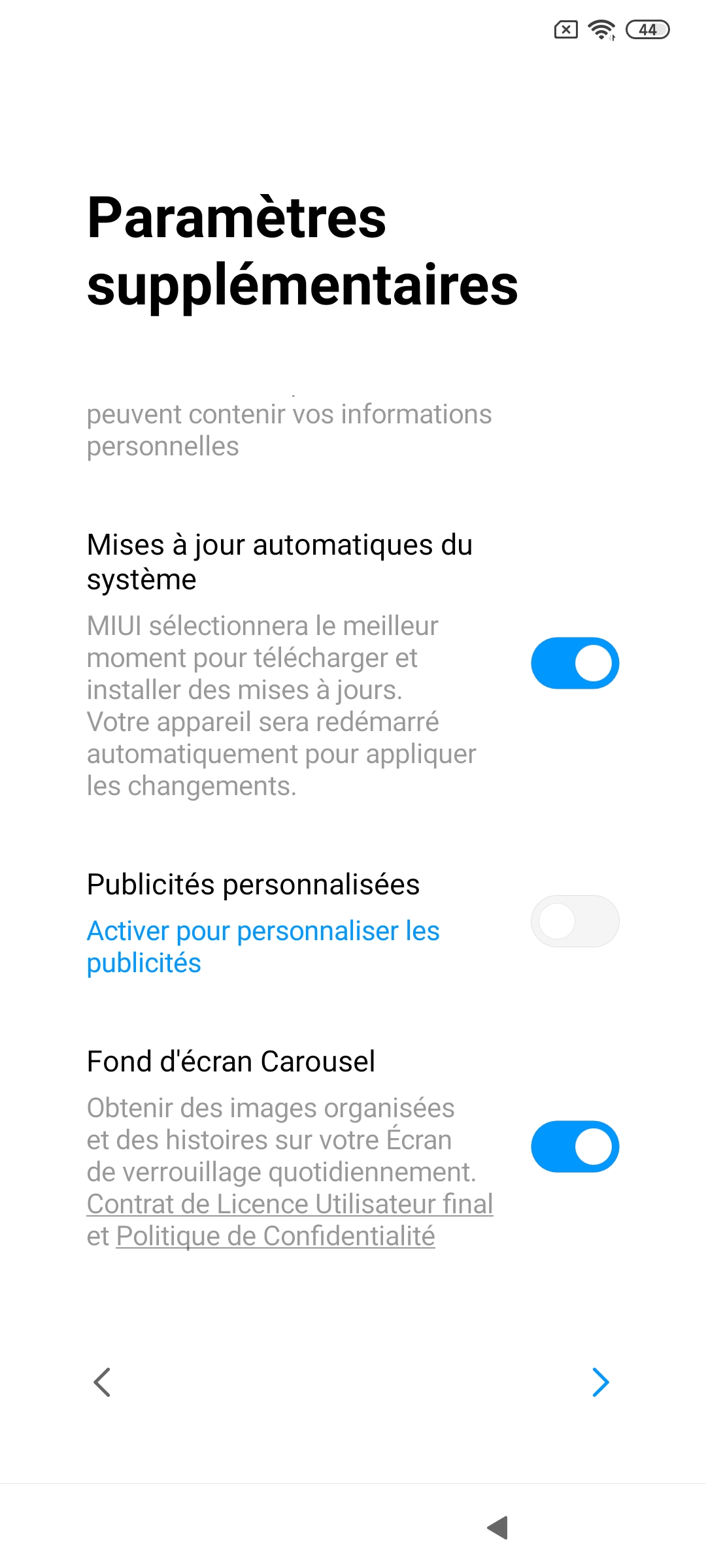
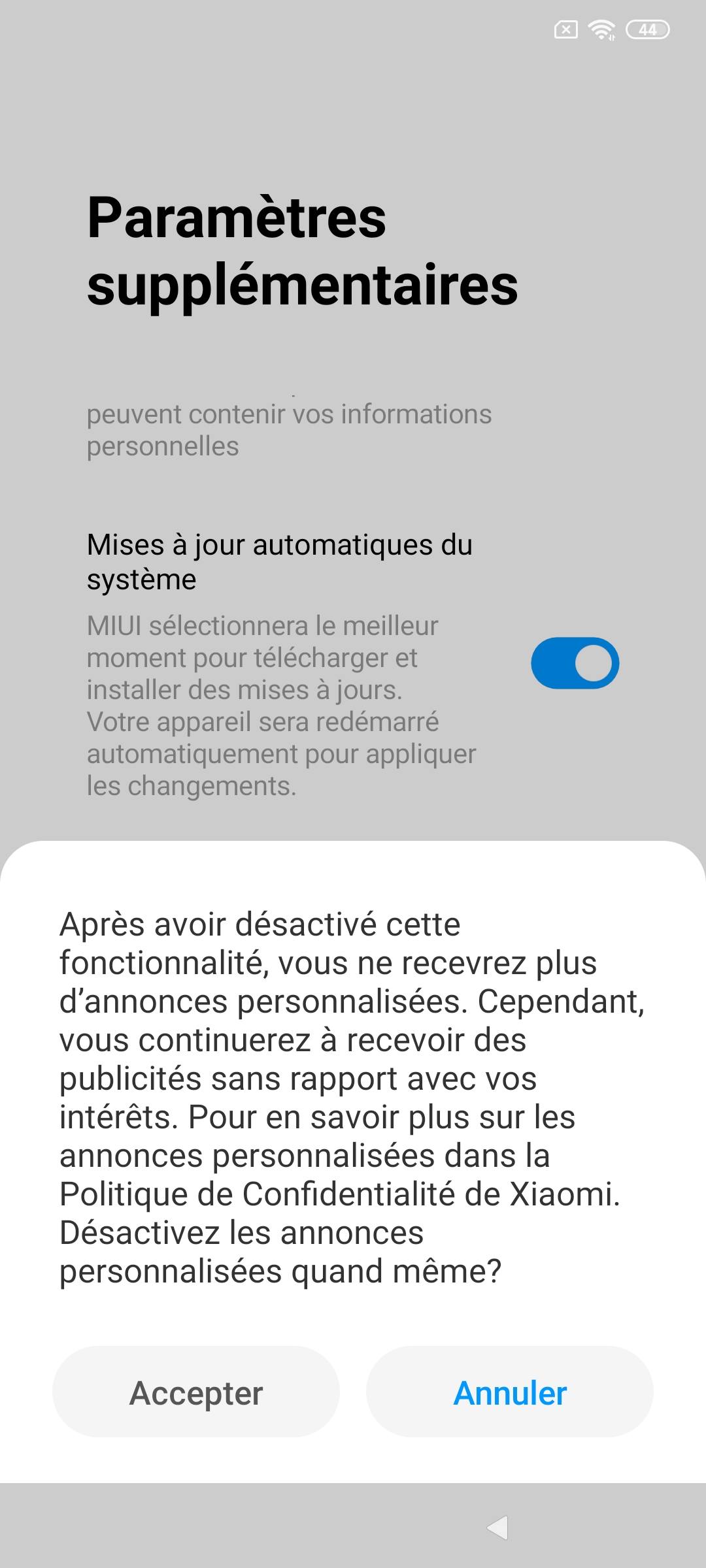
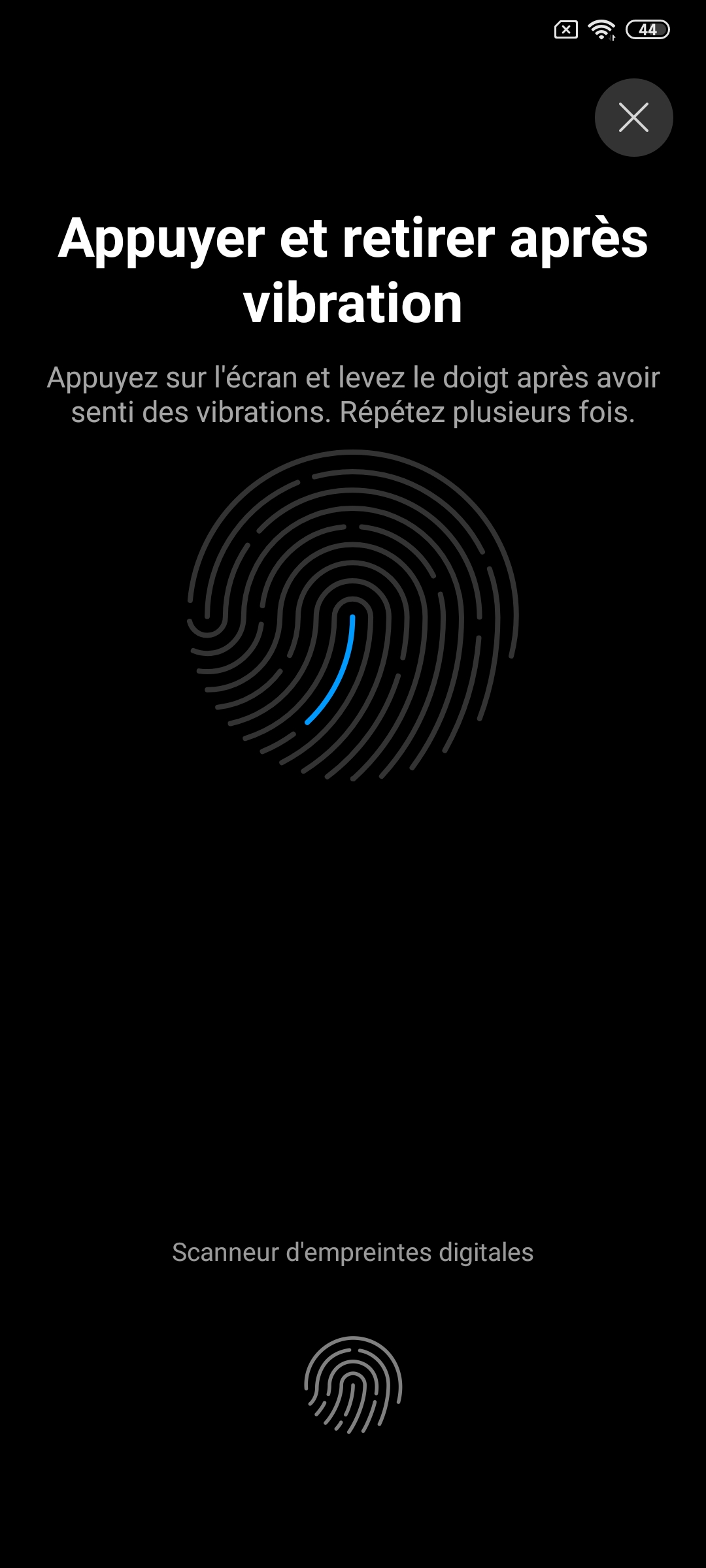
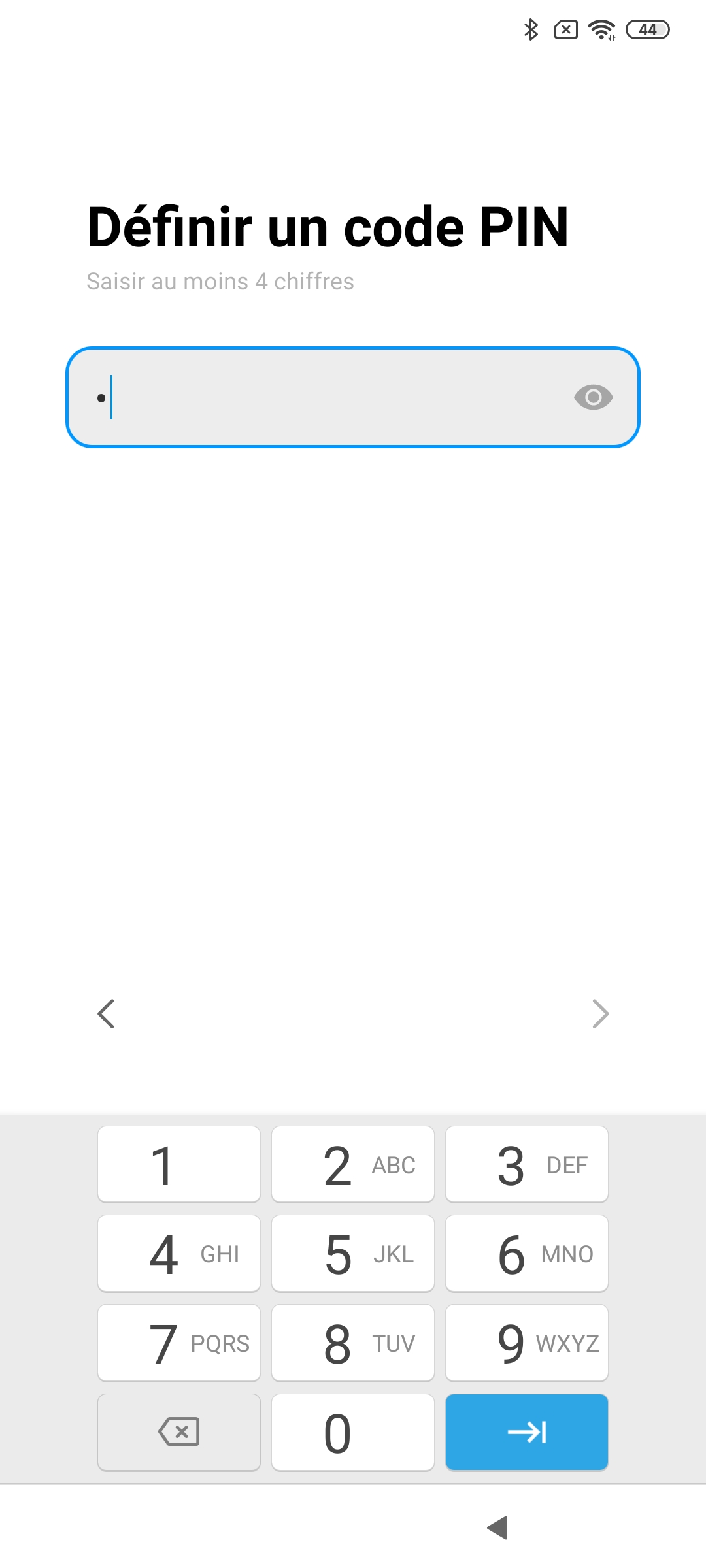
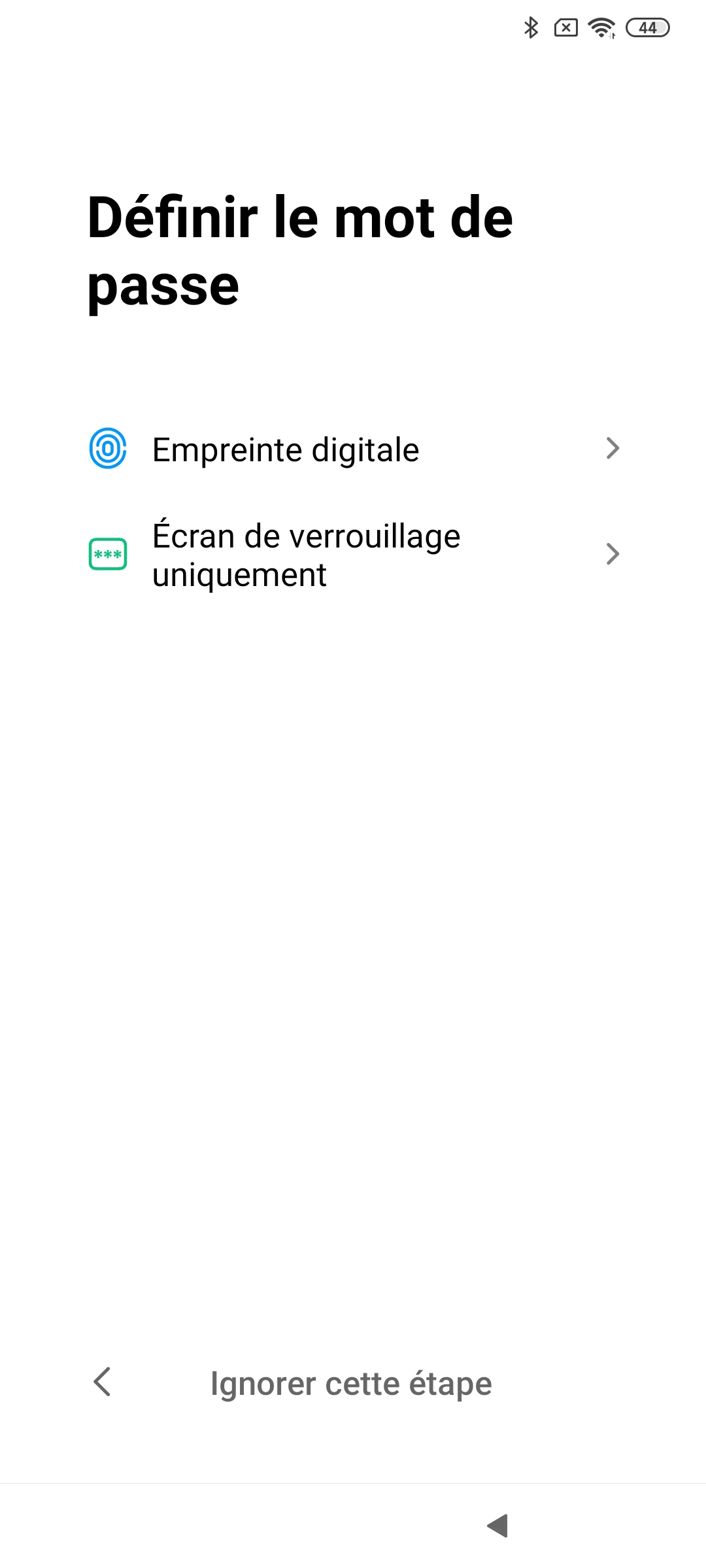
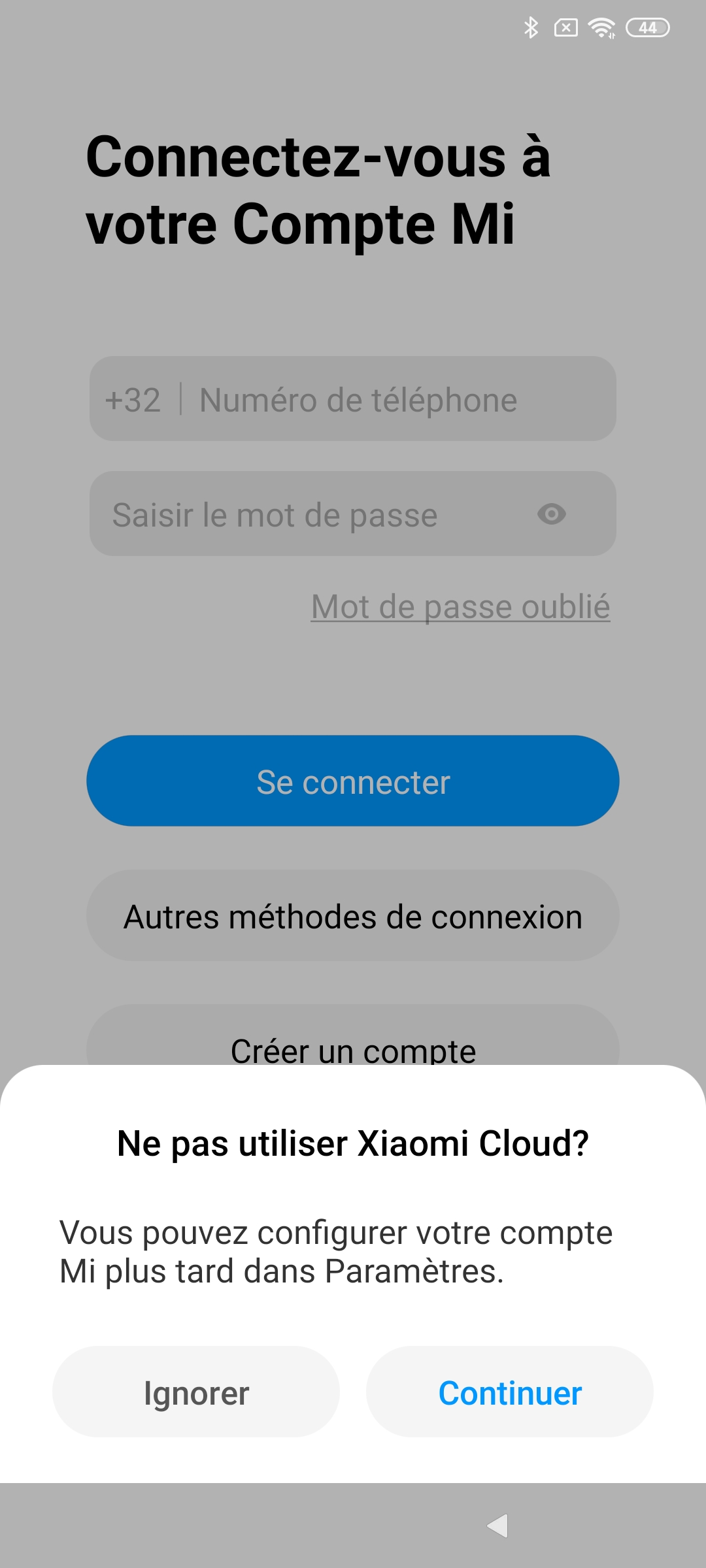
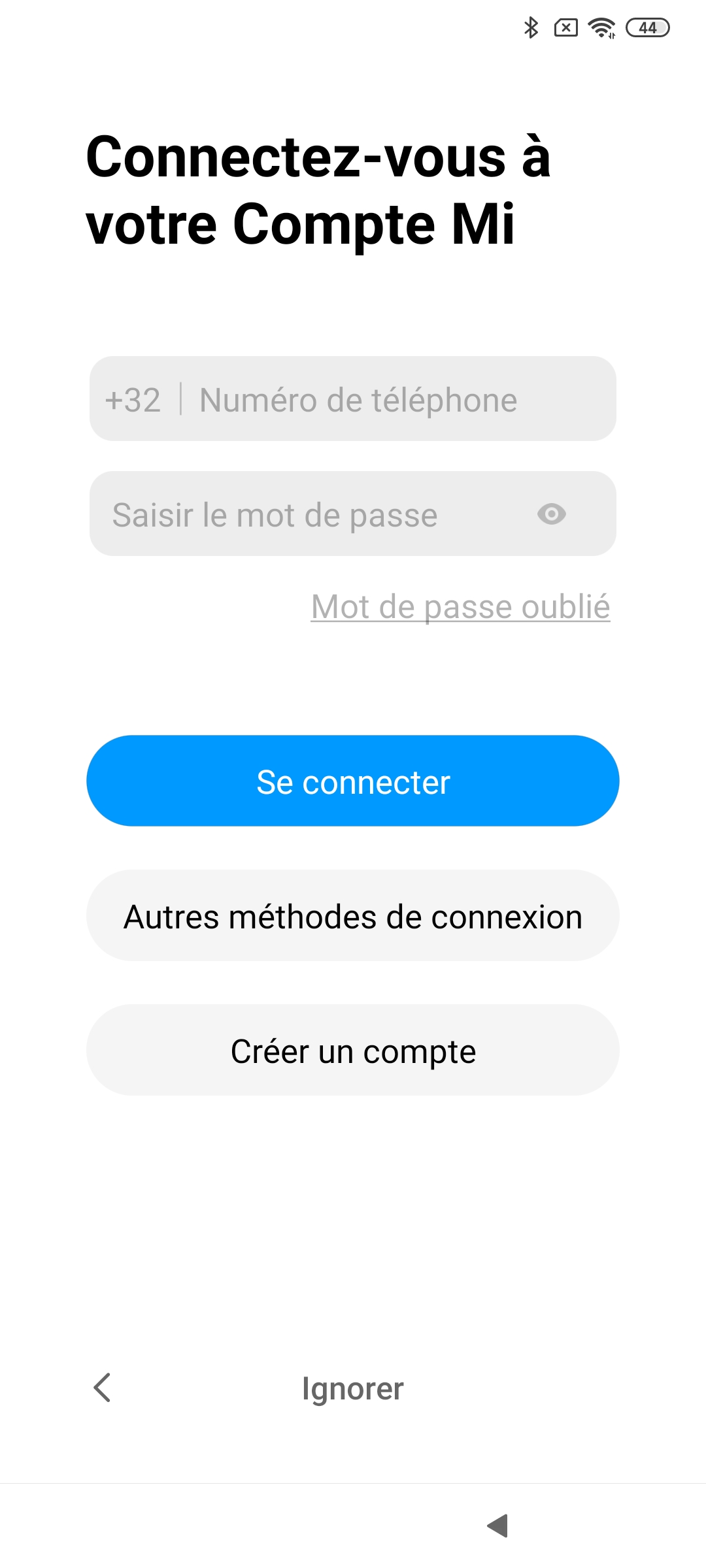
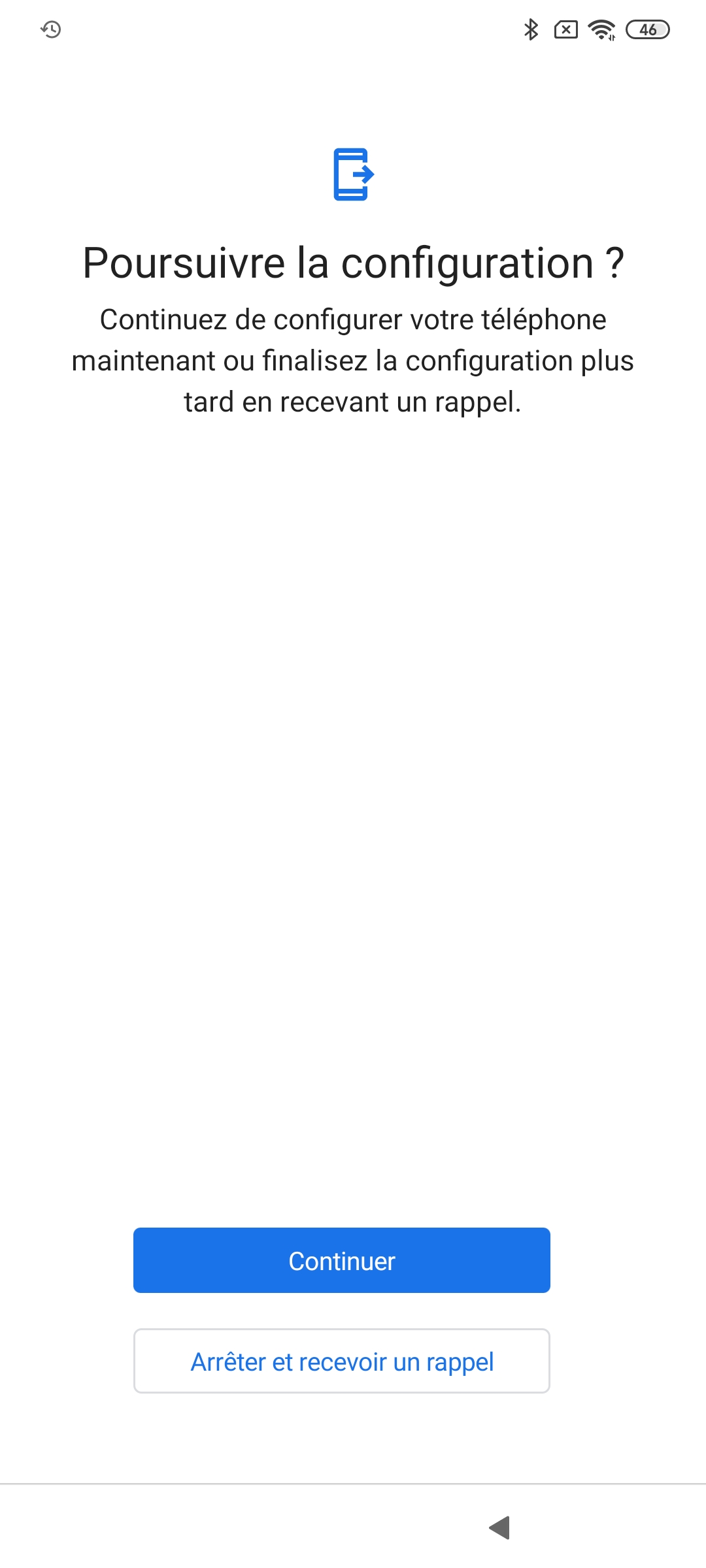
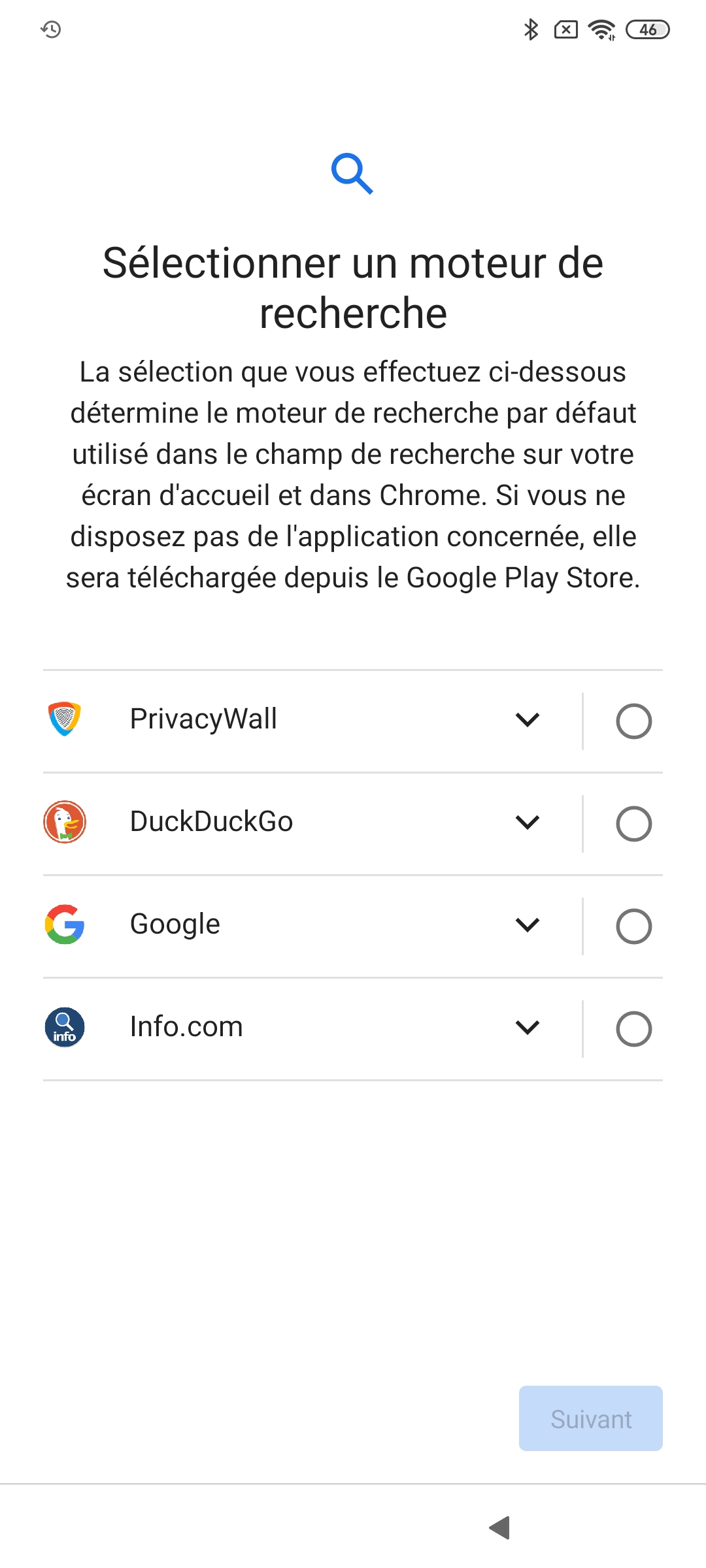
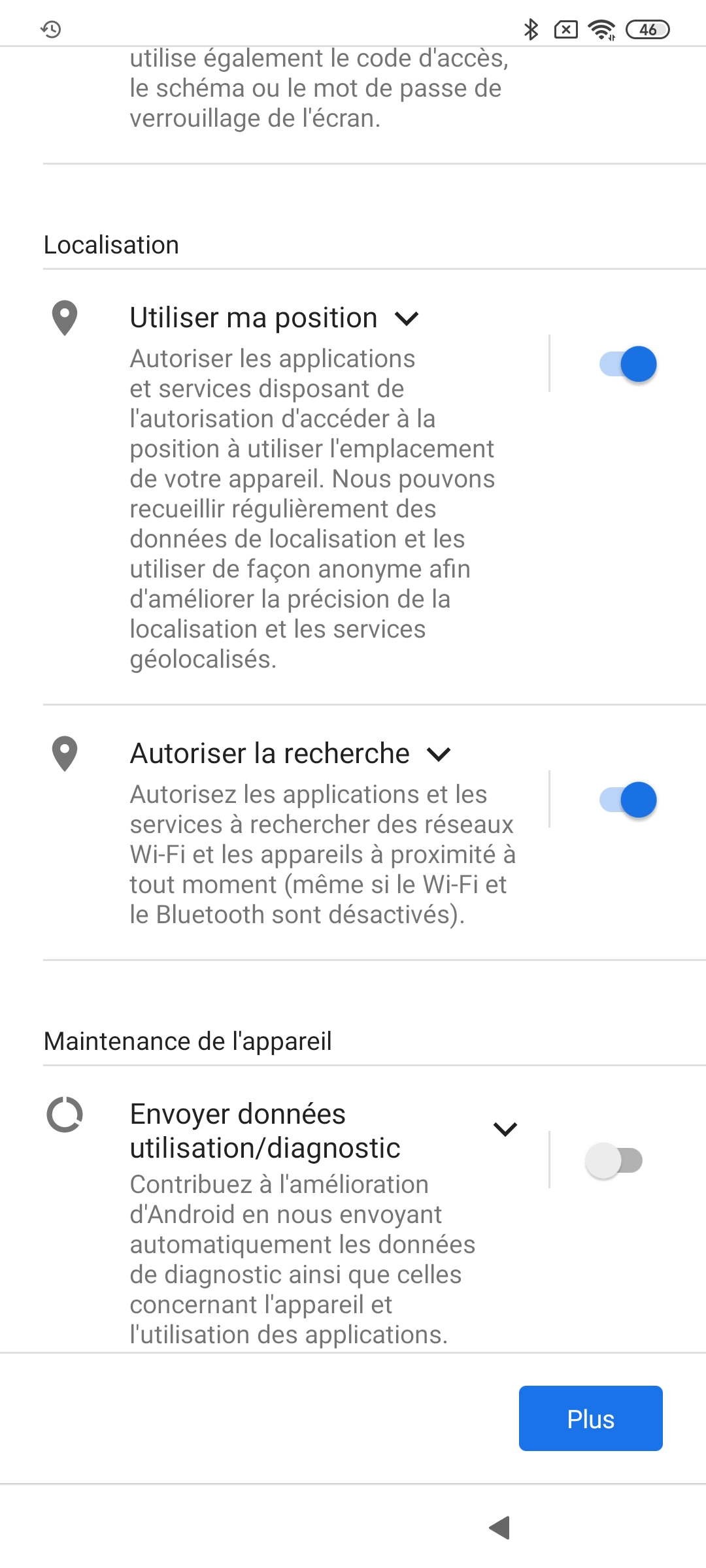
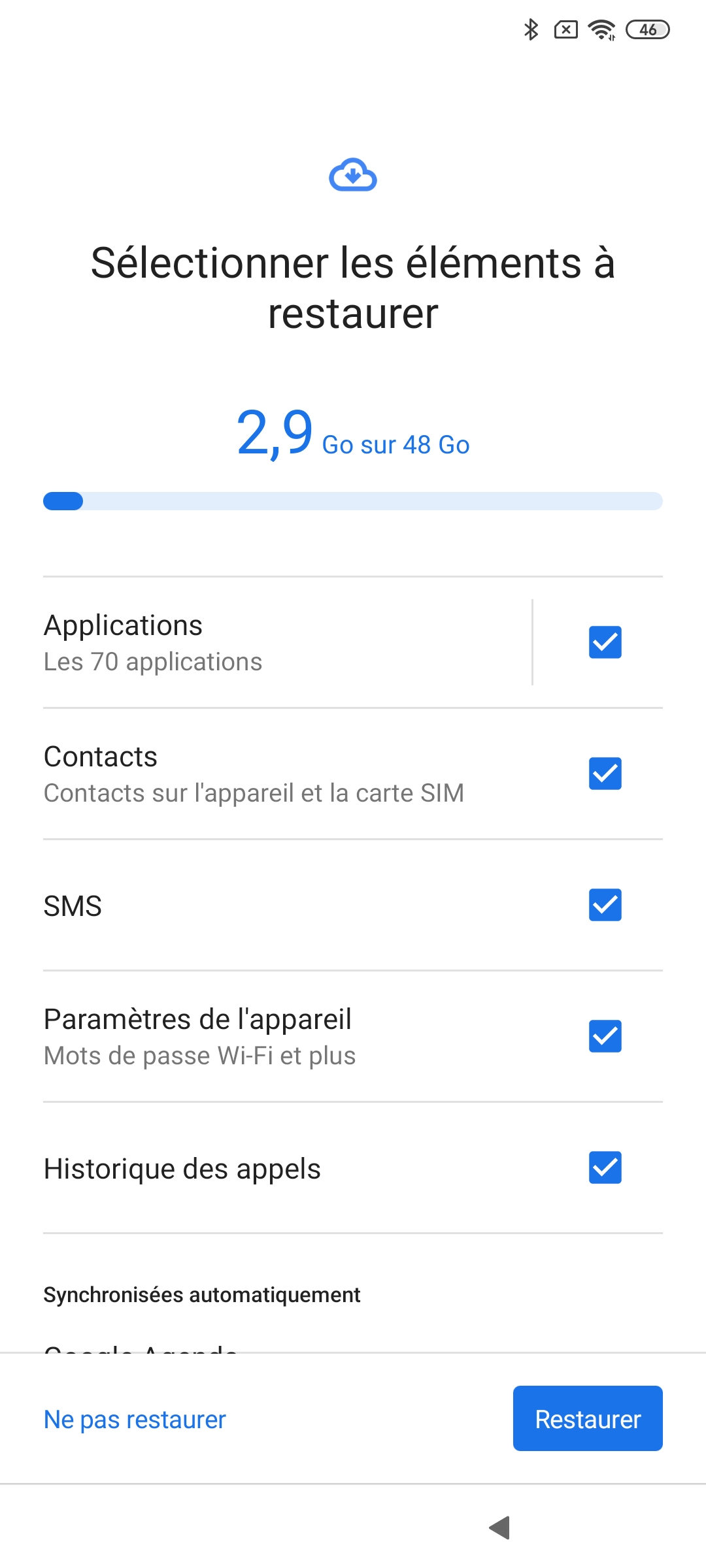
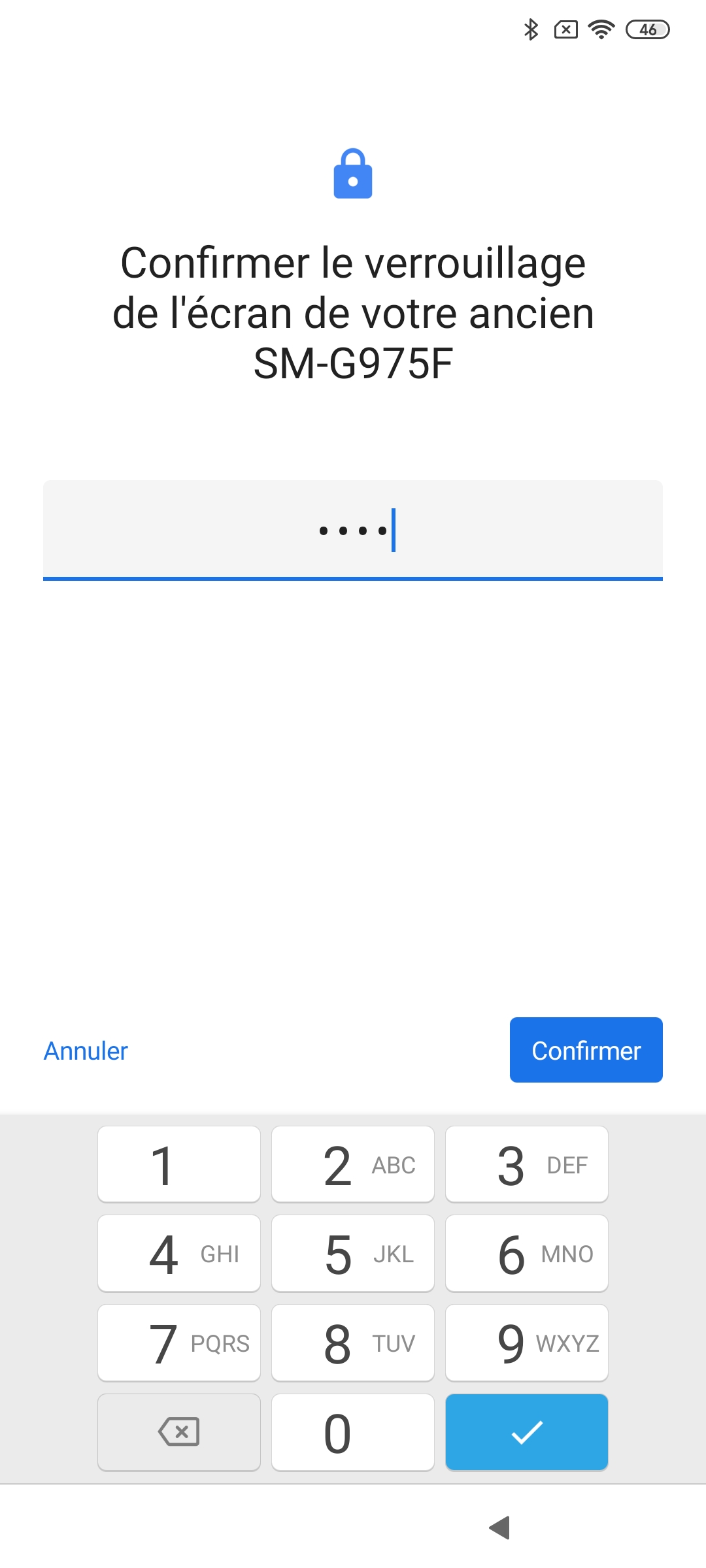
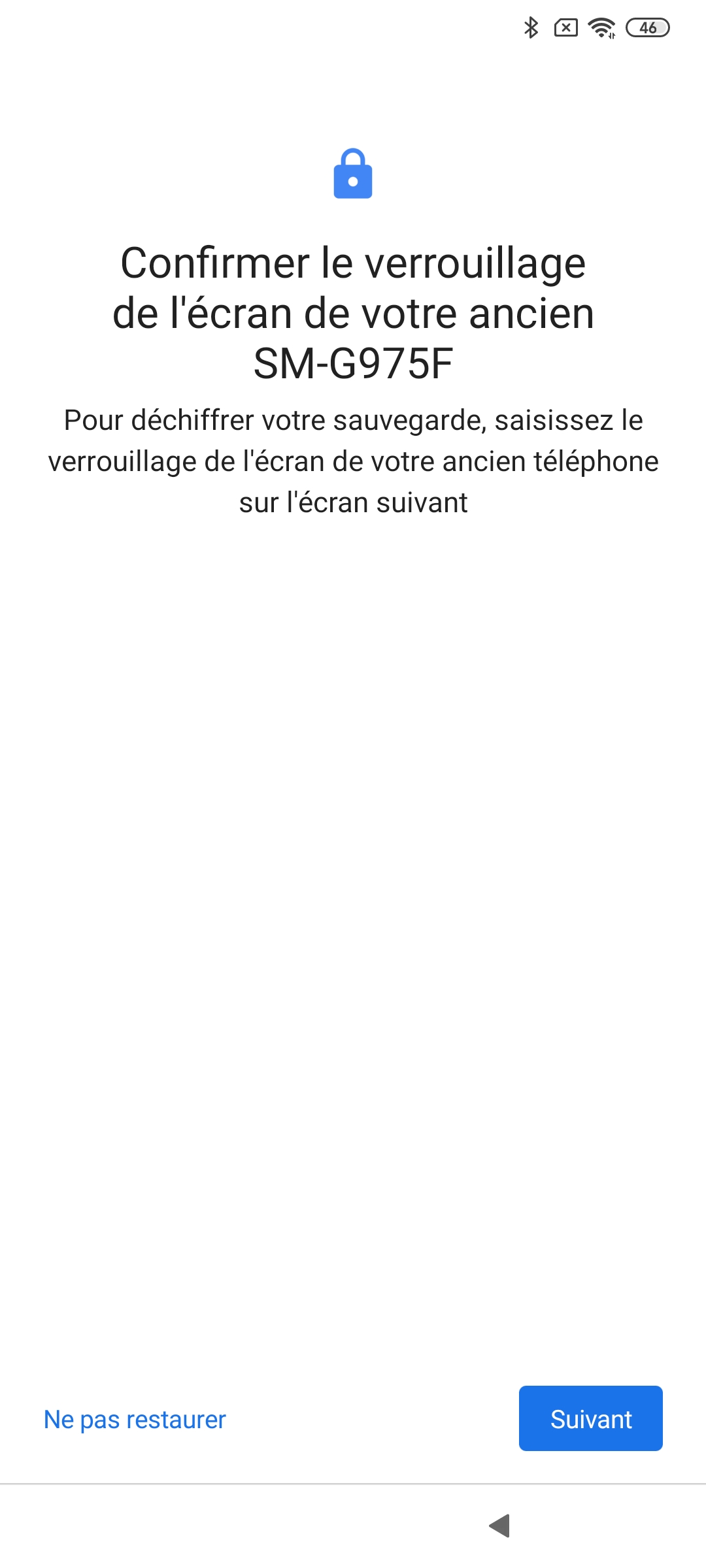
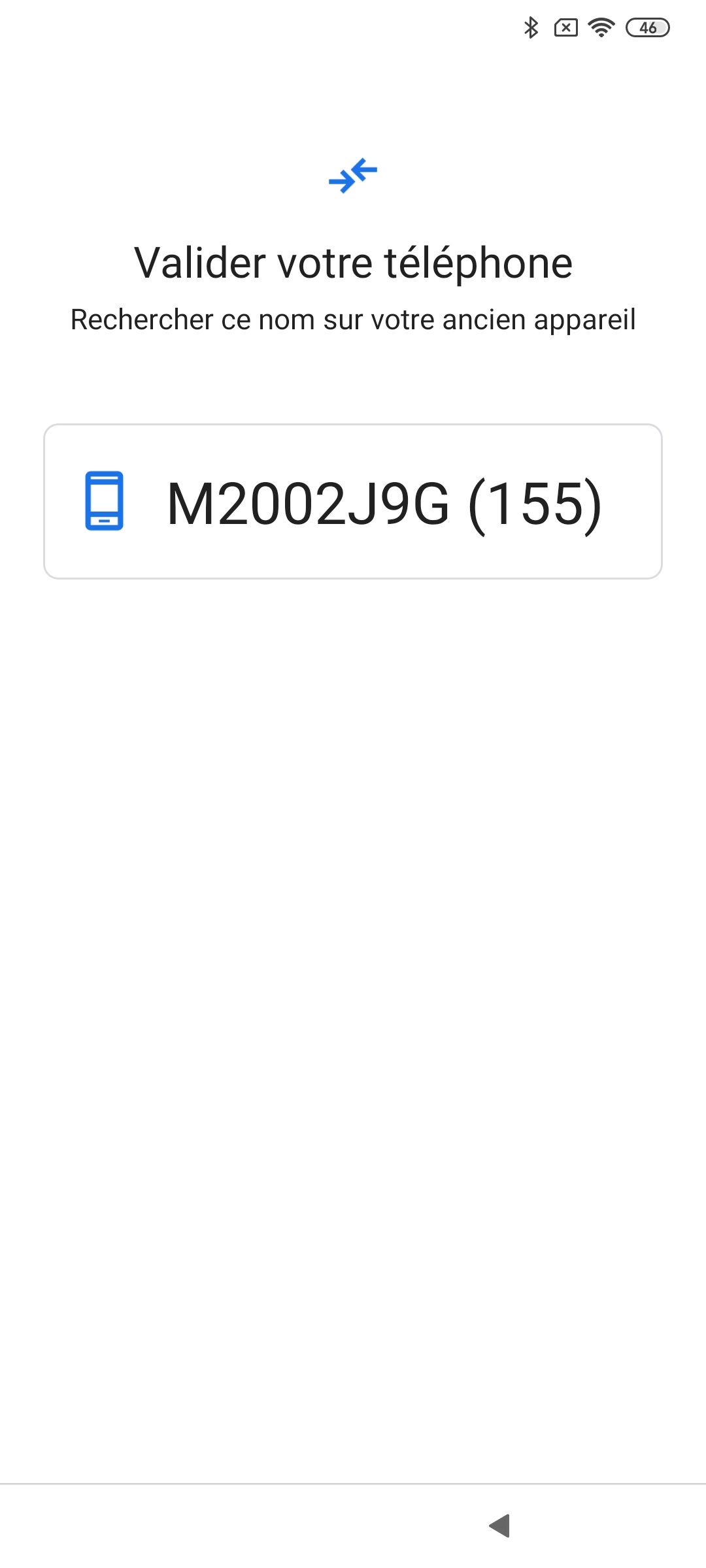
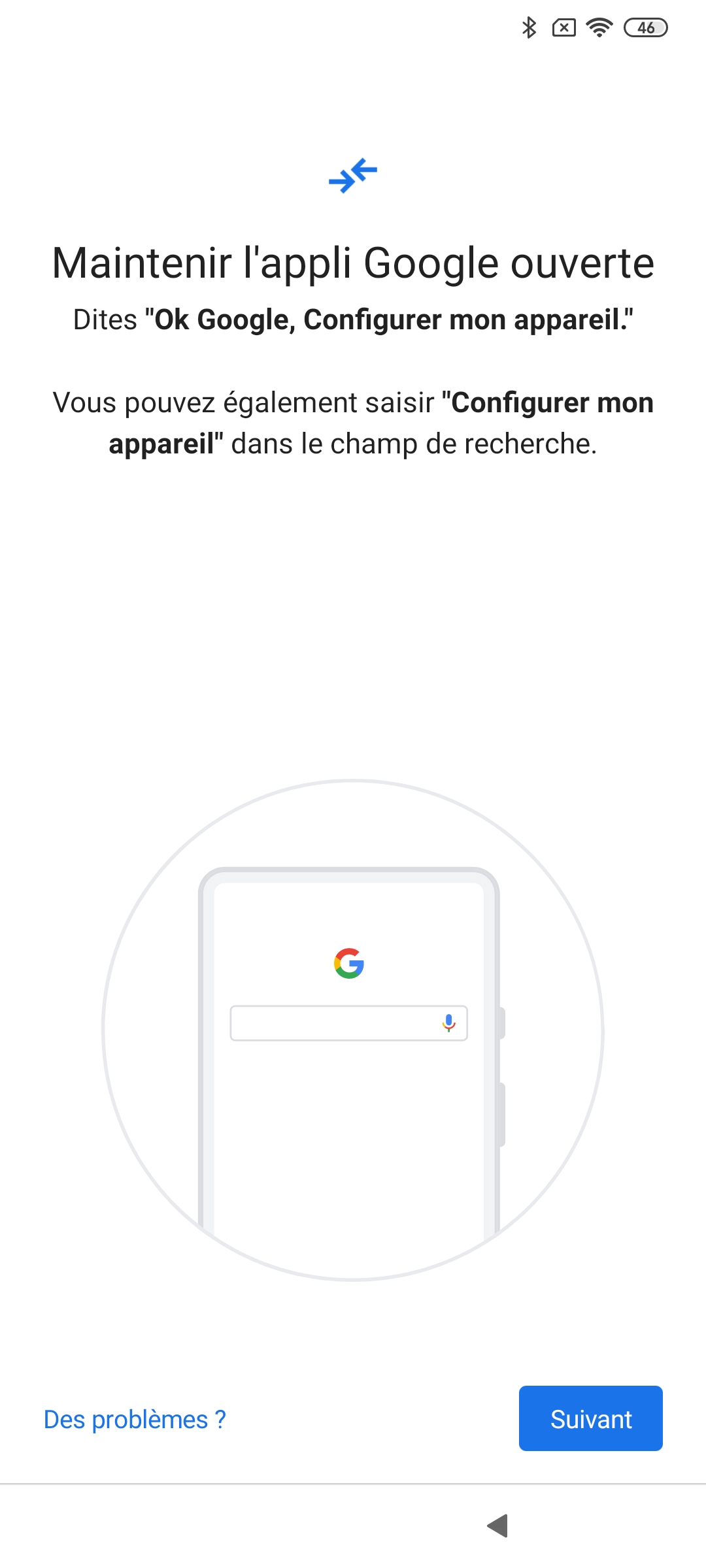
The configuration of the Xiaomi Mi 10 Lite 5G follows the same procedure as most of the other Xiaomis that I have tested in recent months. I found that Xiaomi was very intrusive with its start-up procedure but all the other manufacturers also added screens to push their services (cloud, applications, ...) and now that everyone is doing it, I find that Xiaomi is less intrusive than others.














































Finish
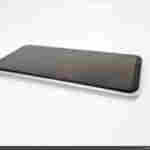
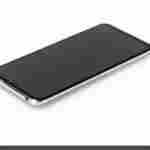
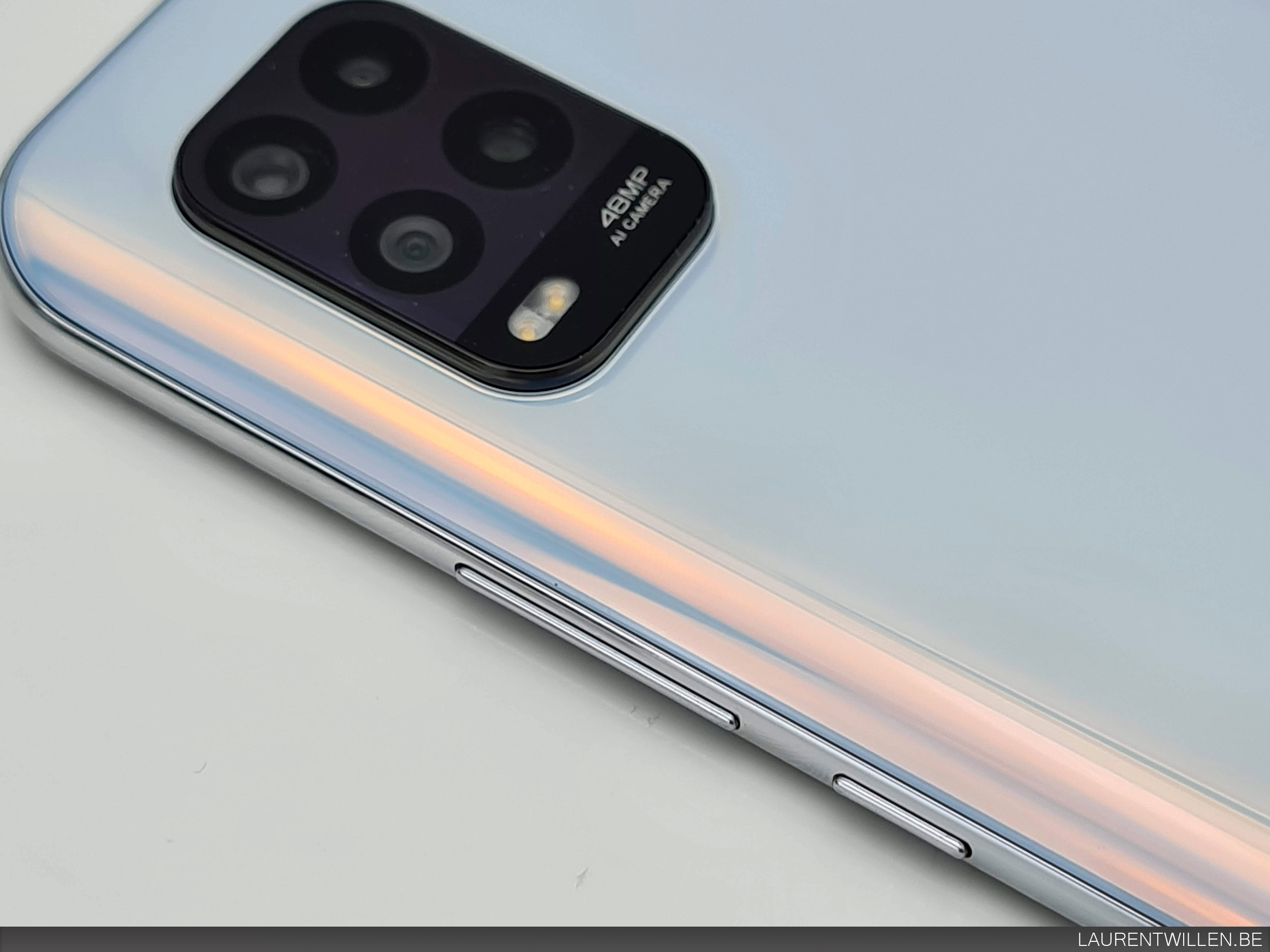
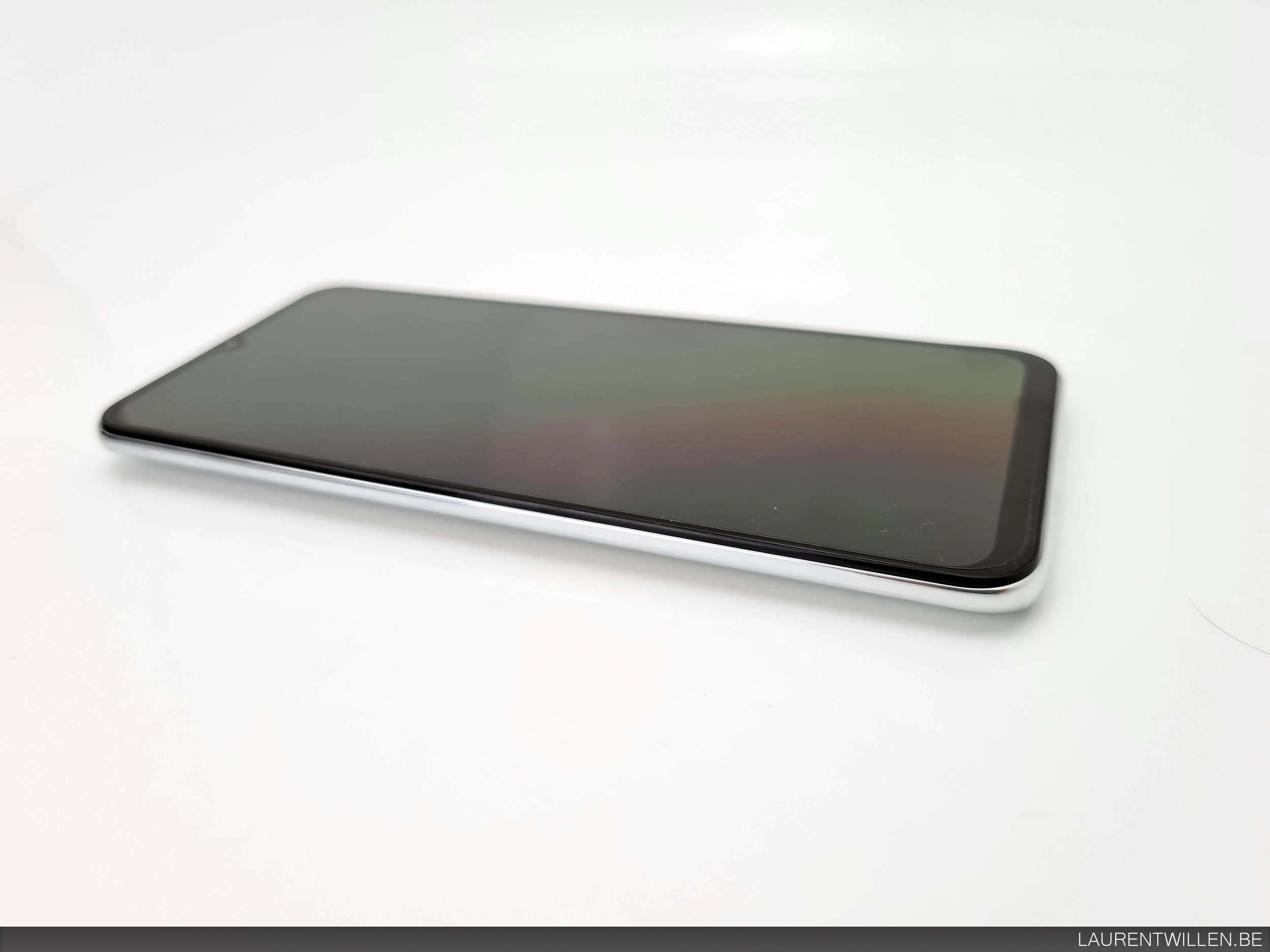
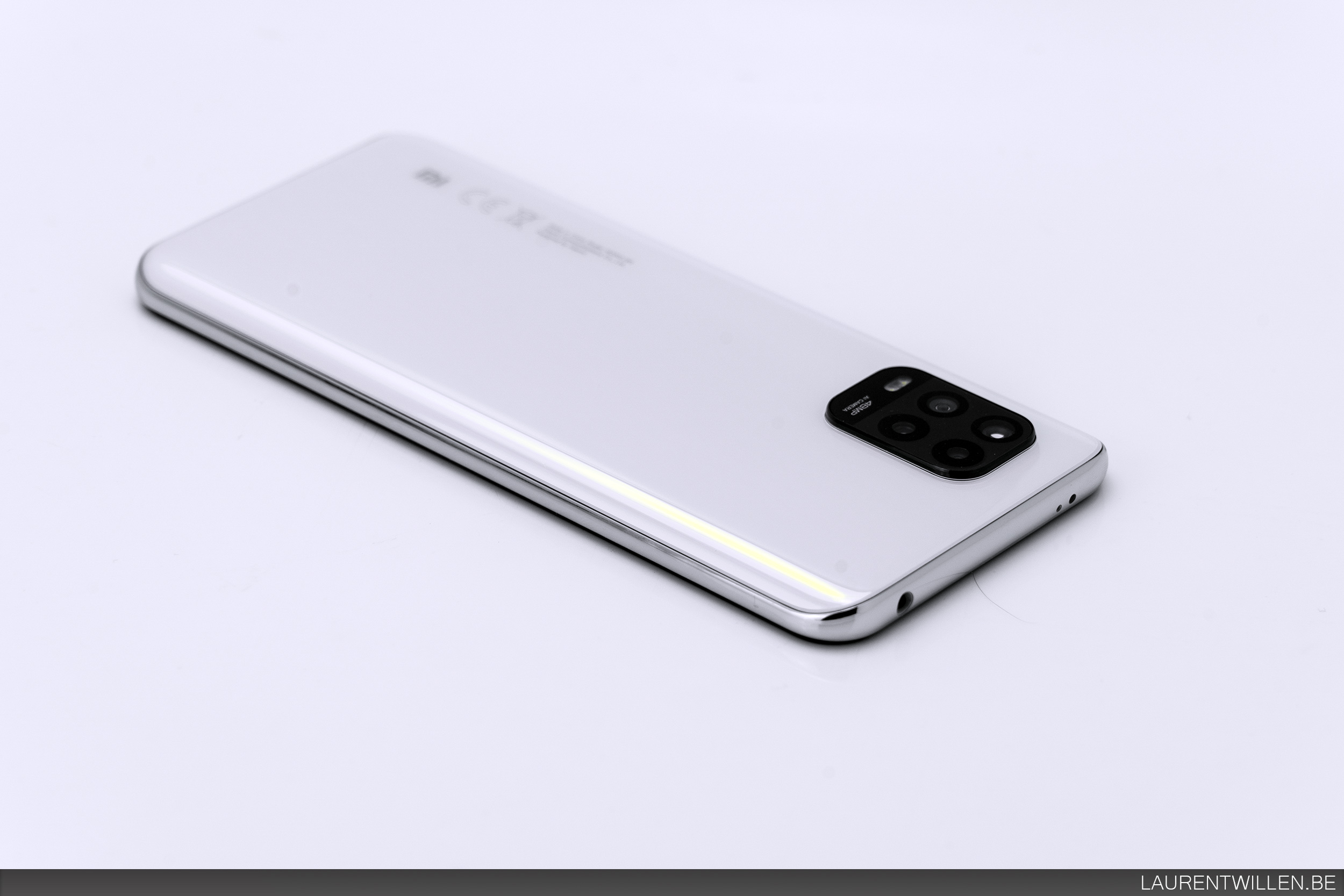
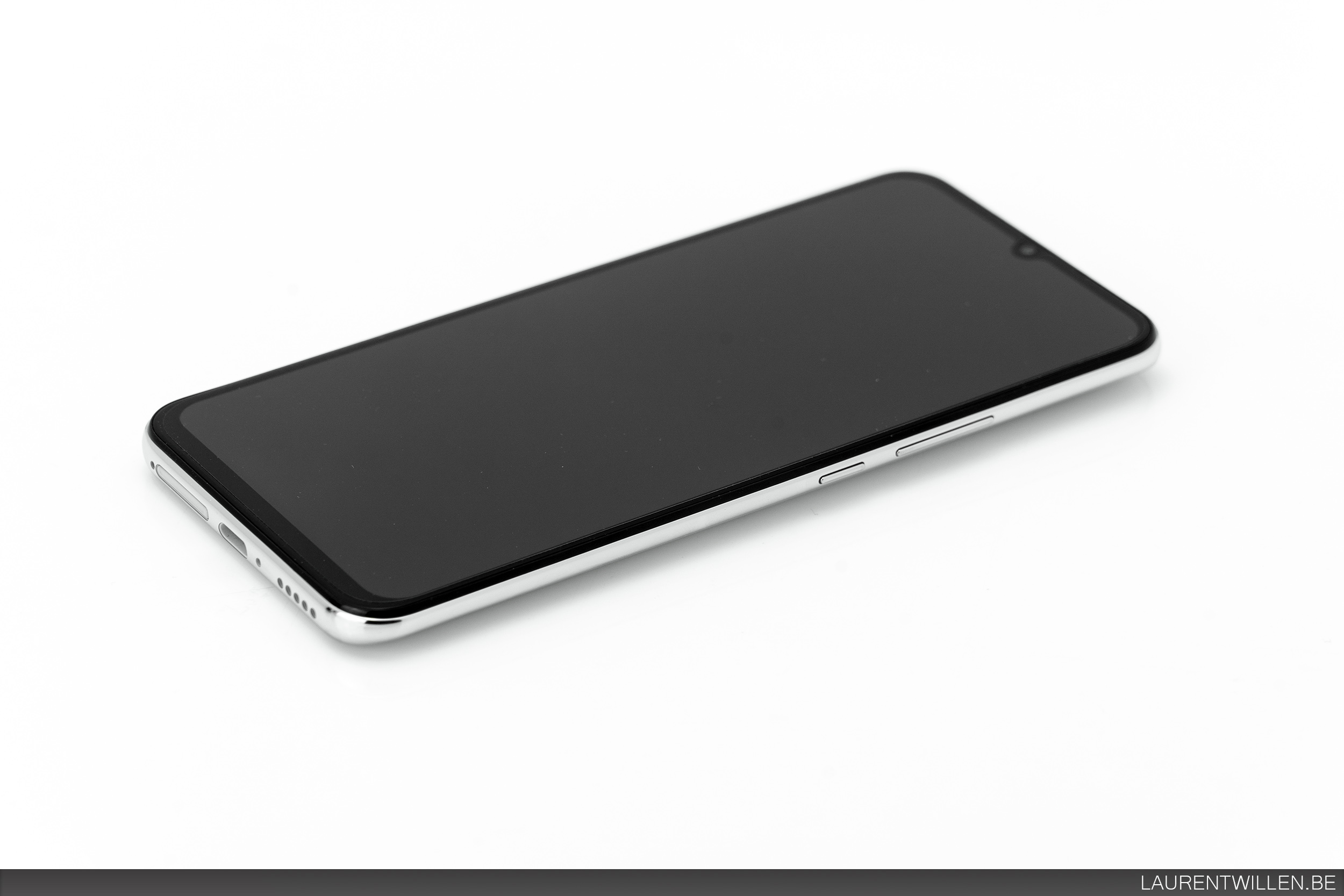
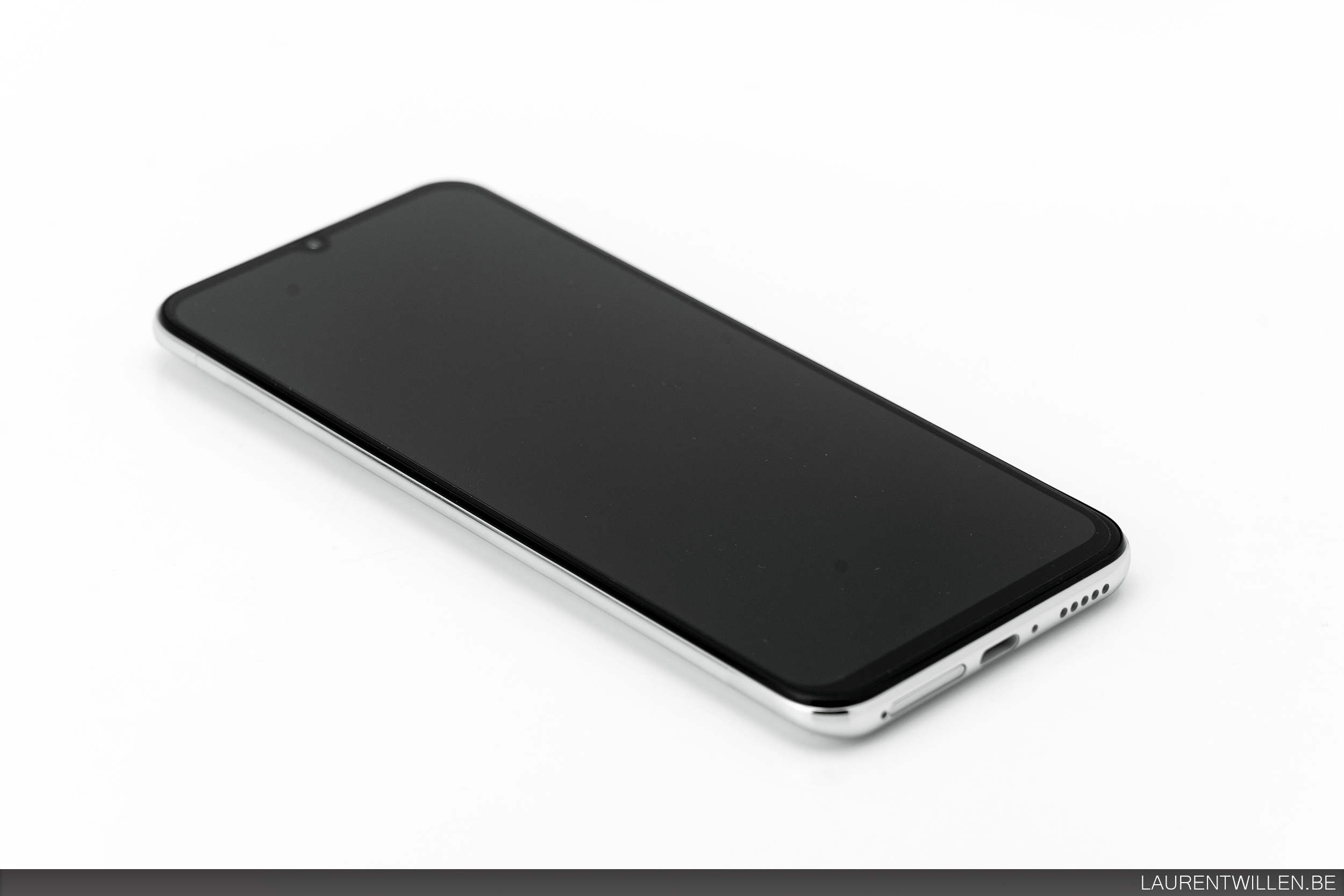
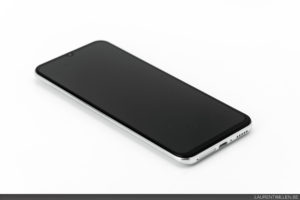 The Xiaomi Mi 10 Lite 5G is quite large (16 cm) but it is significantly thinner than other phones of this type at Xiaomi, the battery offers less capacity than a Mi Note 10 Lite and this is feels in thickness and weight. The level of finish is quite good, it is quite close to what I could find on the Redmi Note 9s with a good quality glass and plastic back. Overall, this Mi 10 Lite 5G reminds me of the Samsung Galaxy A70 that I tested last year, it has more or less the same size / shape and has an equivalent level of finish.
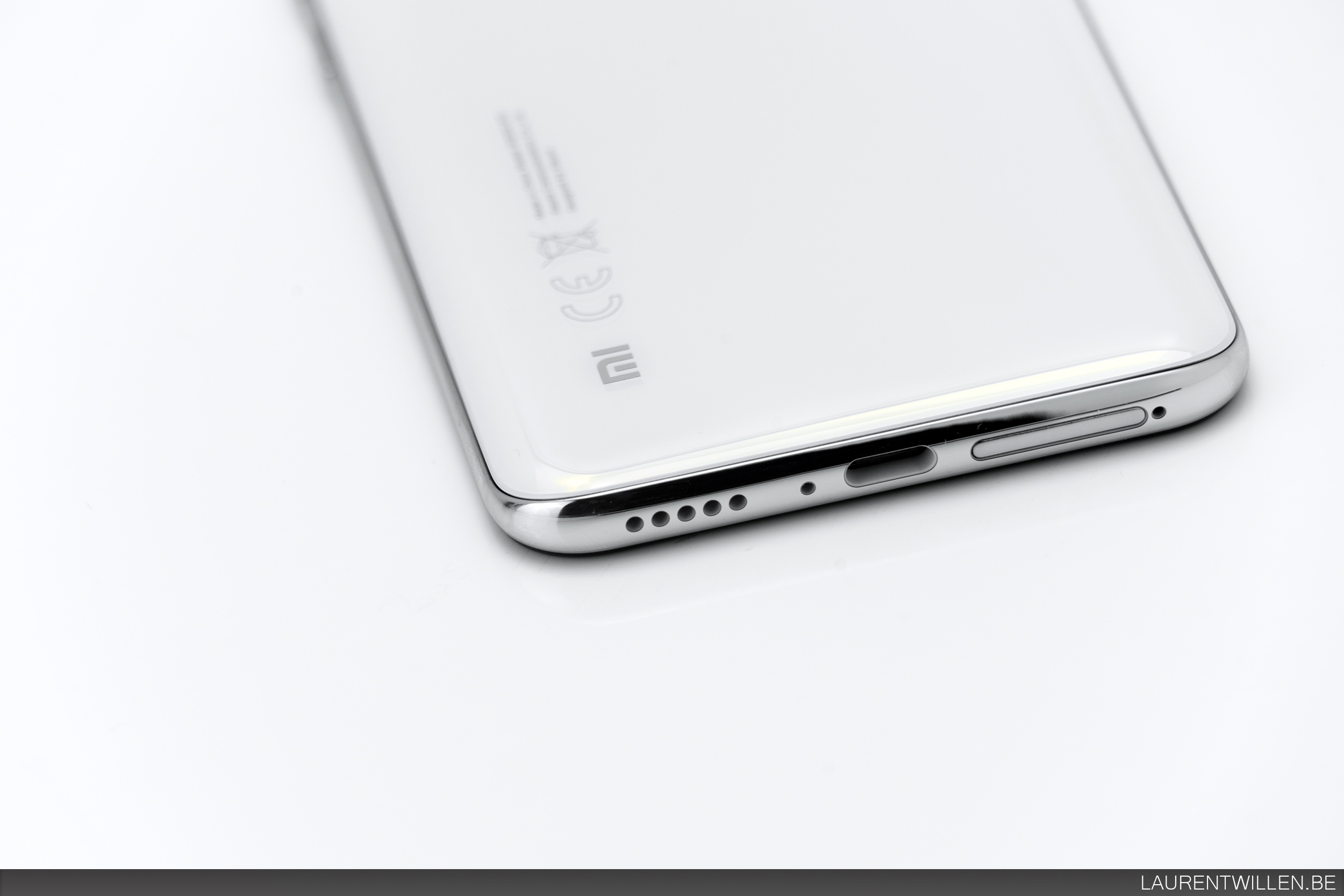
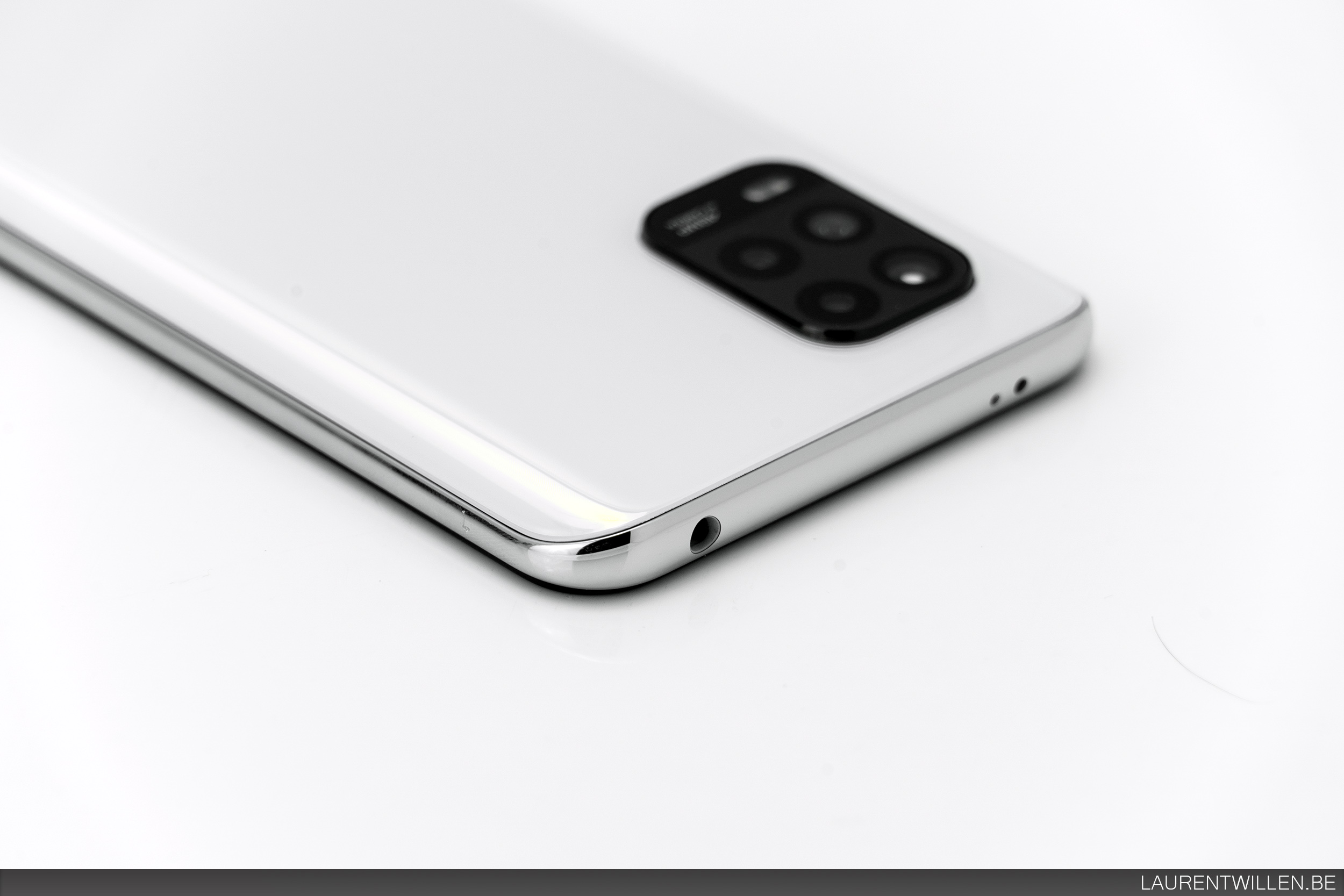
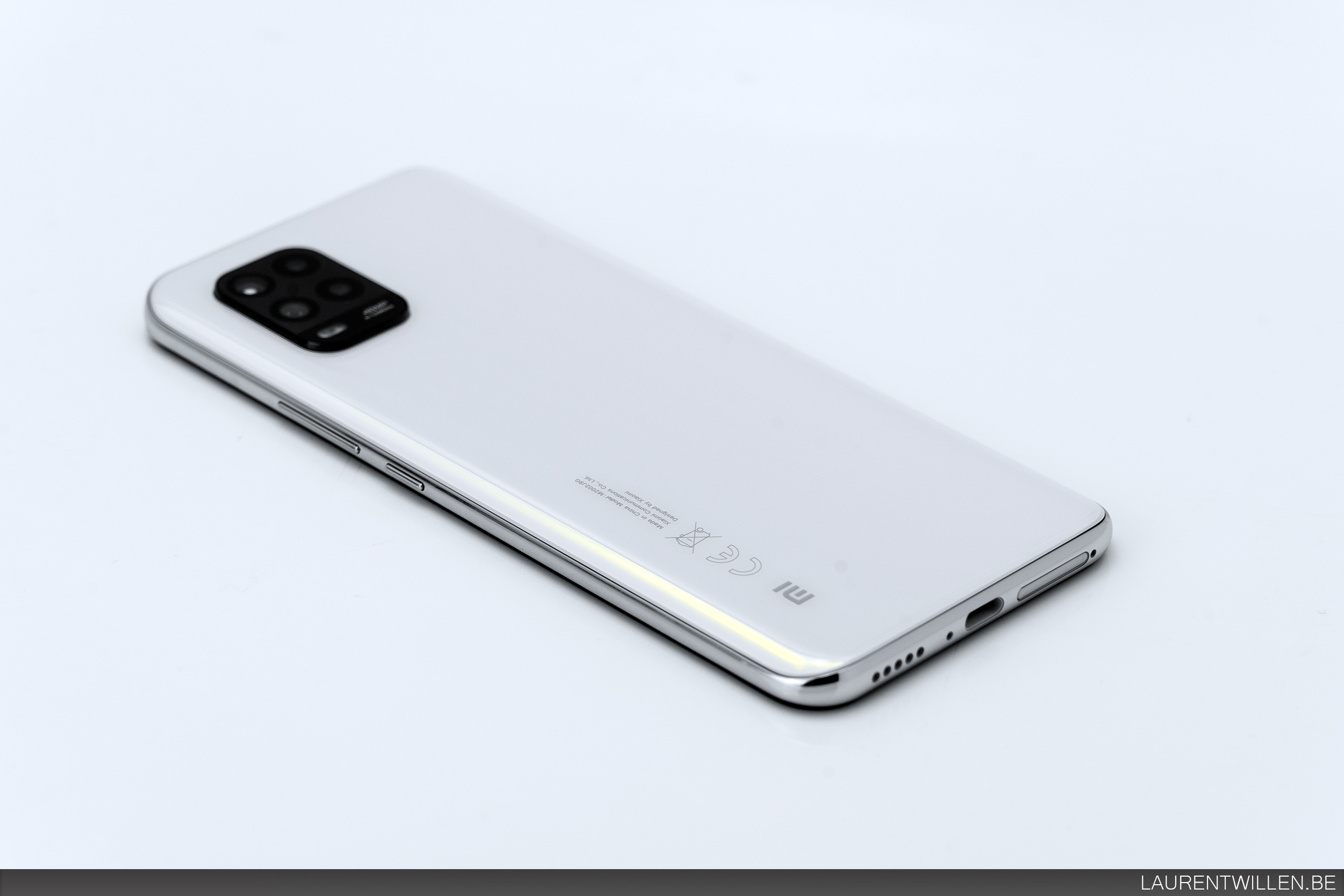
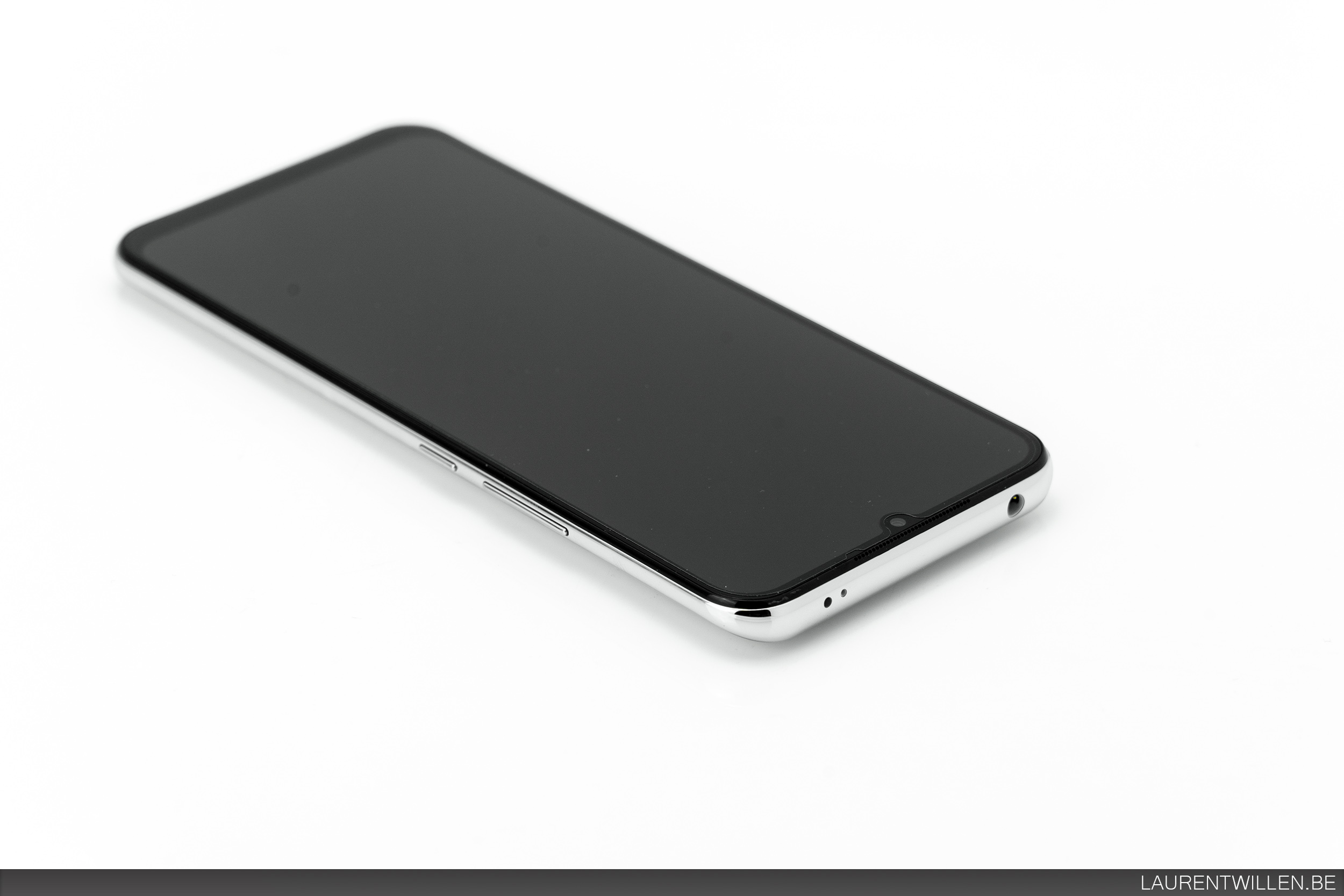
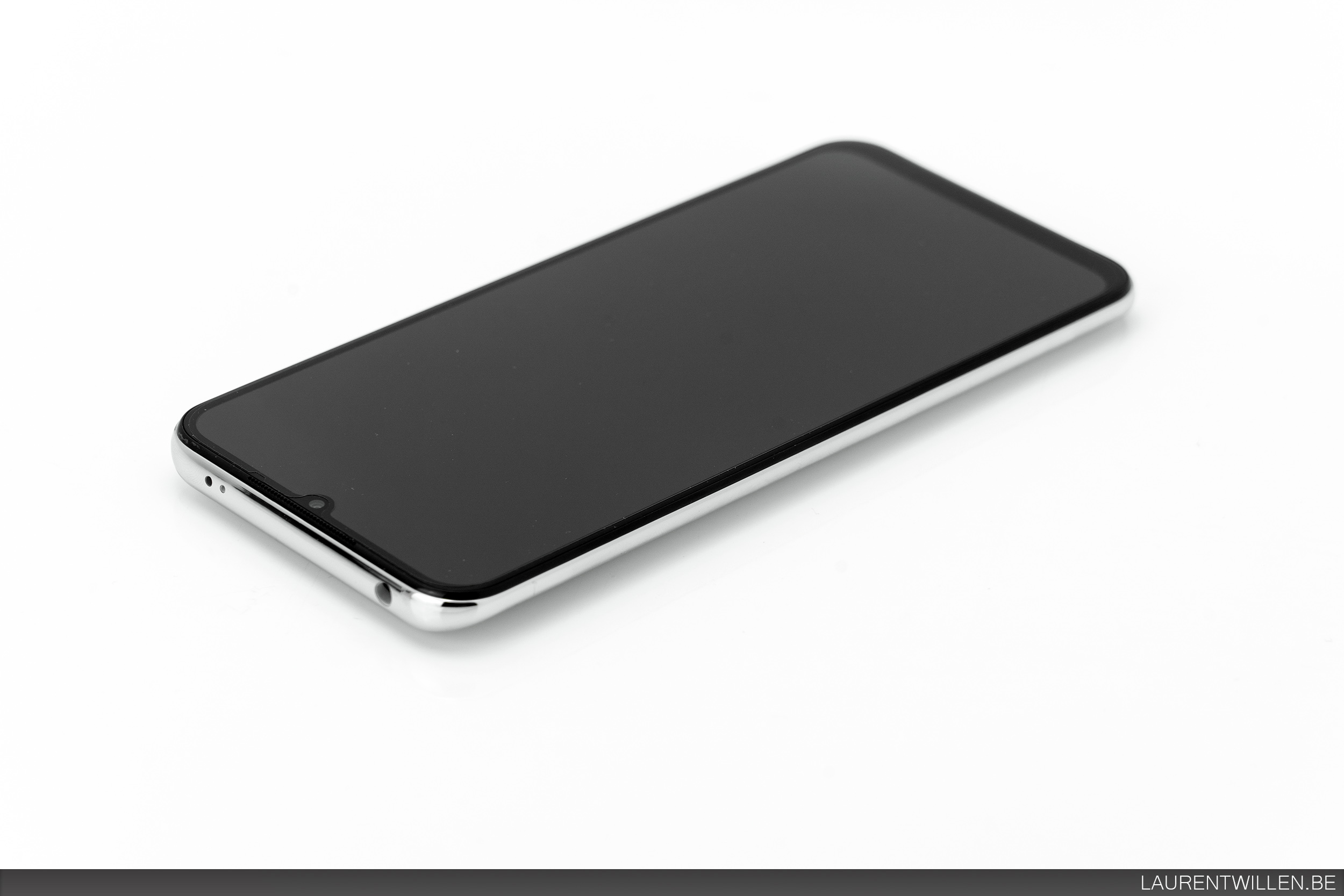
 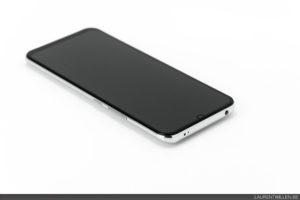 The top of the phone offers a perfectly smooth chrome surface where we find the Jack input and the infrared port. Using a metal surface at the top and bottom will surely protect the phone against friction with other objects such as coins or keys at the bottom of a trouser pocket. This is usually the side where I most often see signs of wear or scratches, so that won't be the case with this phone. The sim drawer is at the bottom of the phone, I have the impression that Xiaomi is trying to put its sim drawer in a different place on each phone, I have 3 Xiaomi in test at the same time, they have all three a sim drawer in a different location. Next to the SIM drawer, the phone has a USB type C port and a mono speaker. Everything is anchored in the same metal rim as the top of the phone.
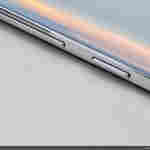
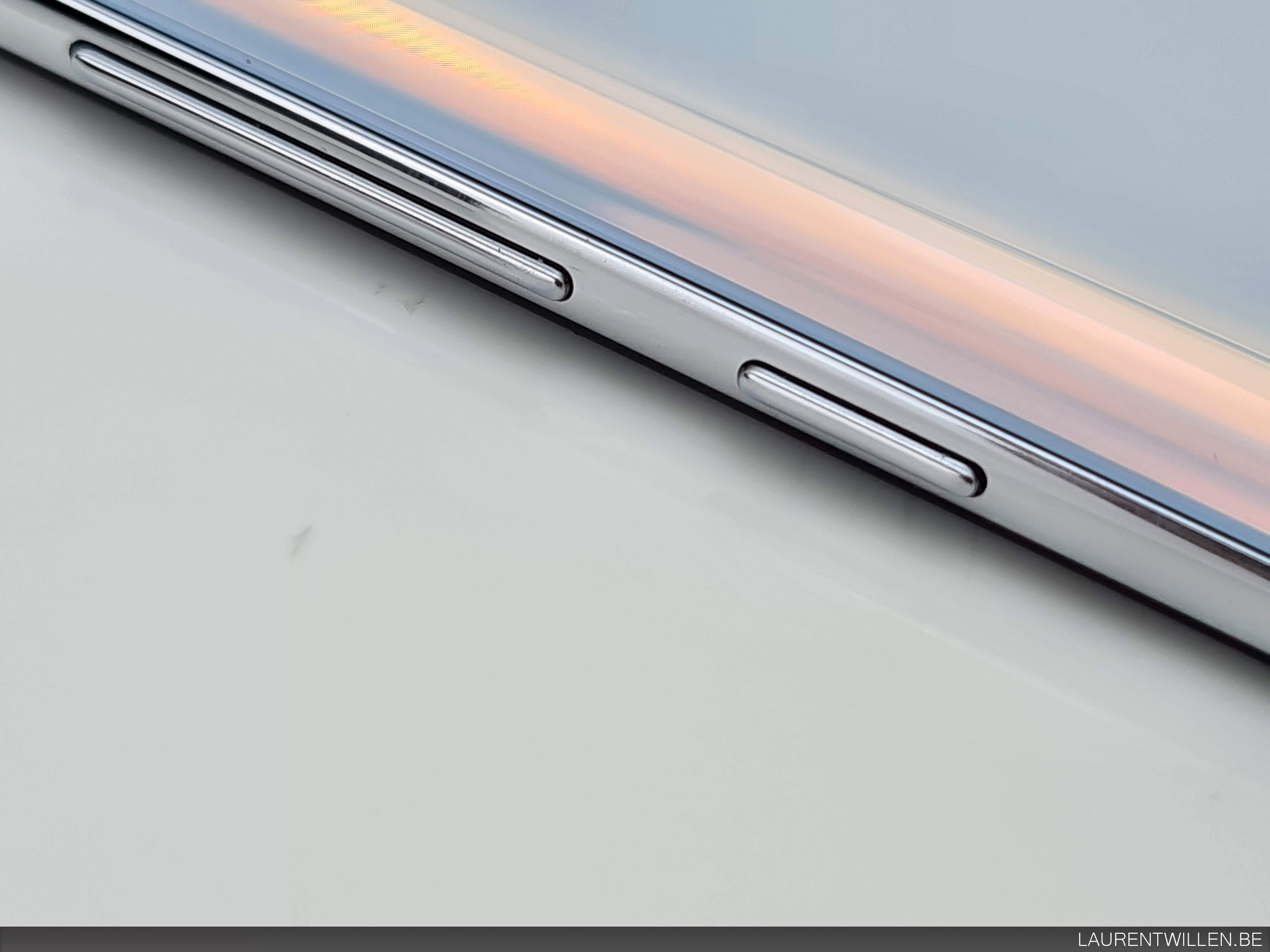
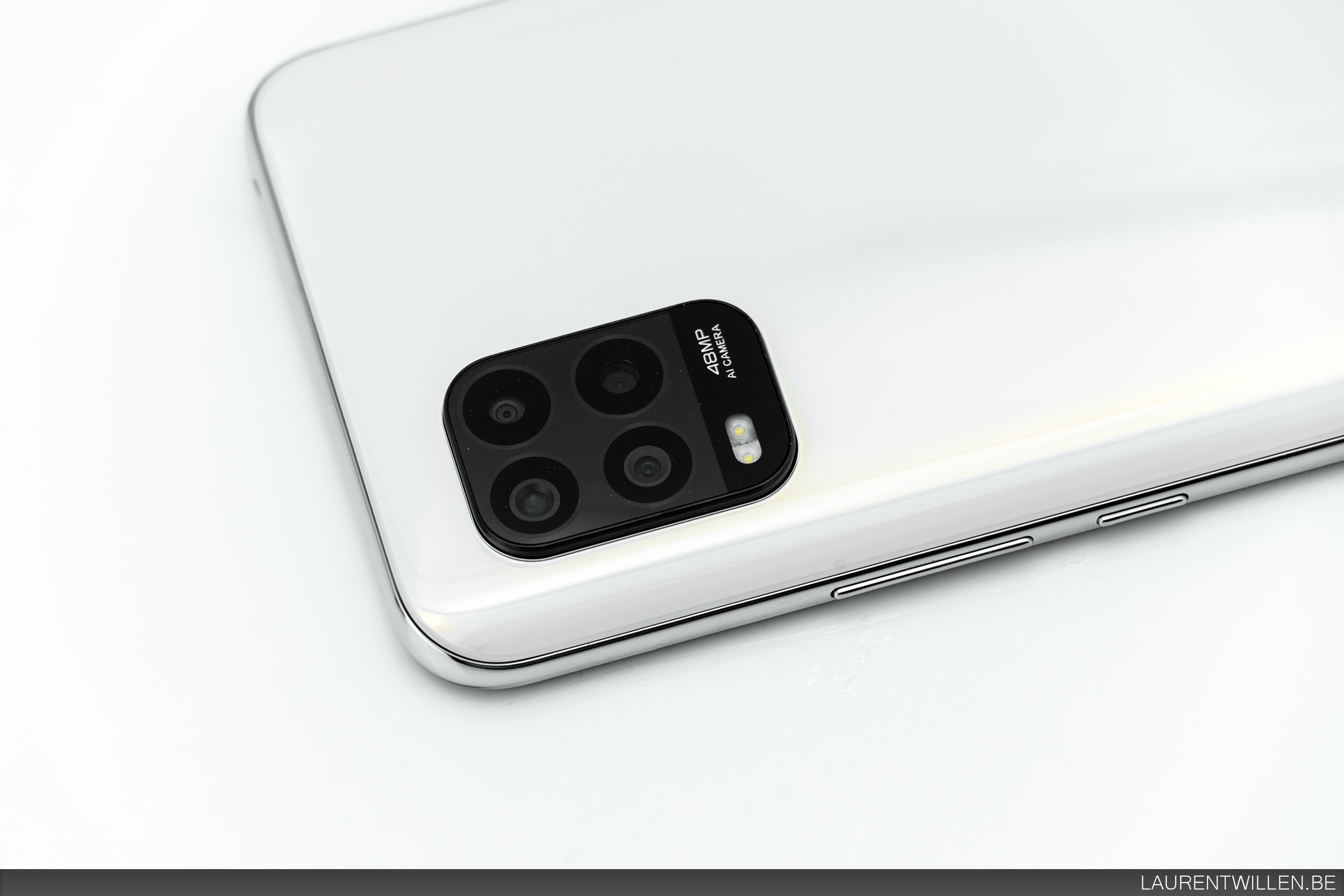
 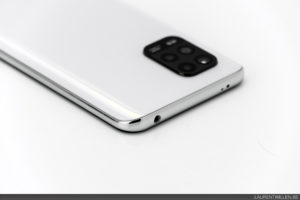 The left side of the phone is perfectly smooth, there is no sim button or drawer. On the right we find the usual volume and start buttons. These buttons are pretty well positioned as the power button is almost halfway down the phone. The buttons are metallic like the outline of the phone.
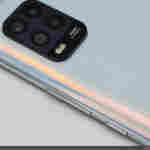
 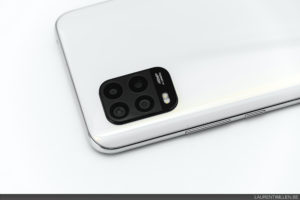 The back of the phone is covered with a mixture of plastic and glass offering red or blue reflections depending on the orientation of the phone. The photo module is installed on the top left, I also have the impression that Xiaomi has tried all the combinations in recent months. This photo module protrudes from the back by about 1 mm, which is less than what I find on the Redmi range.
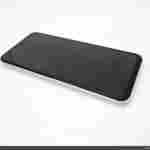
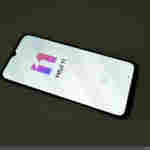
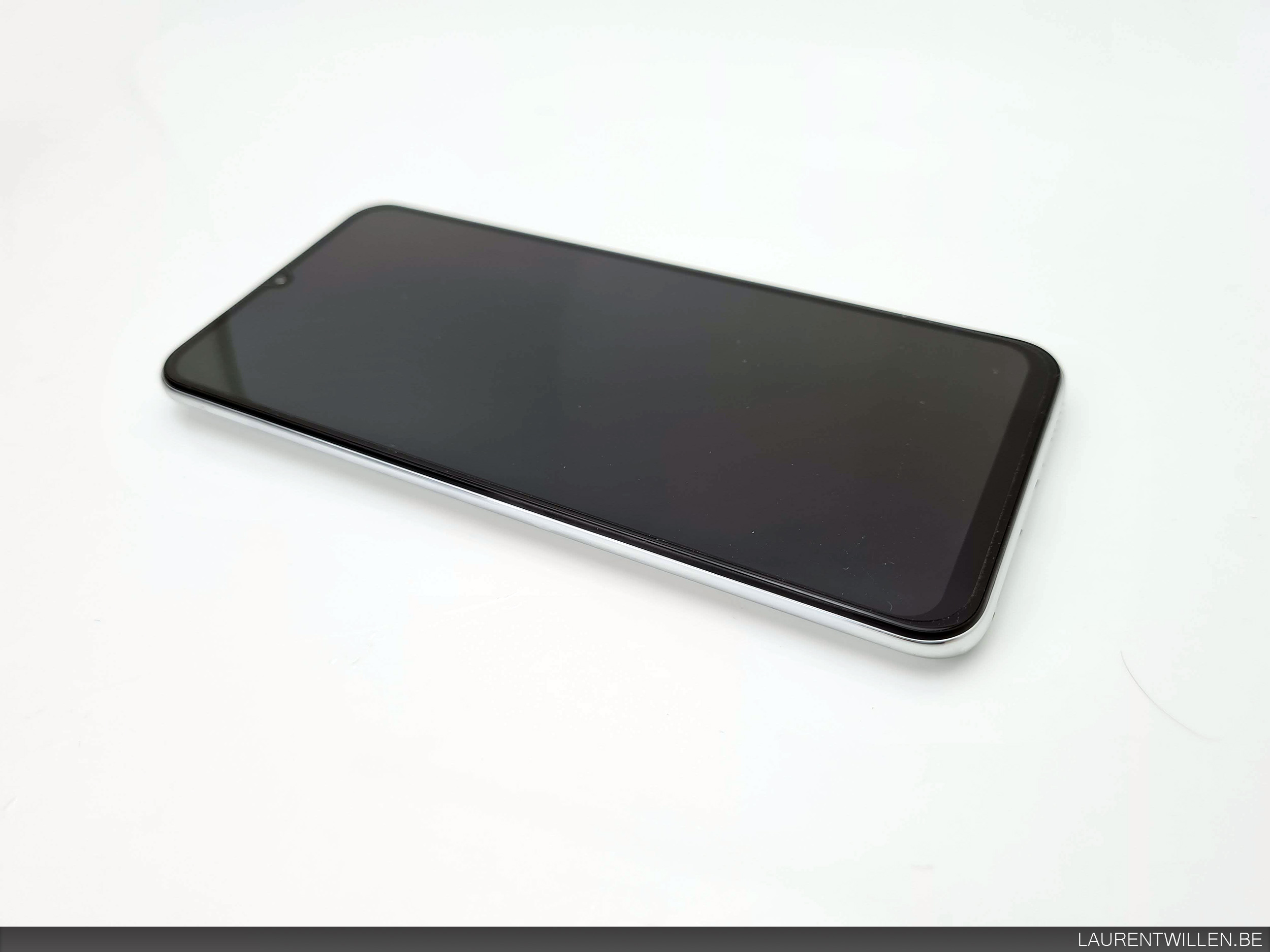
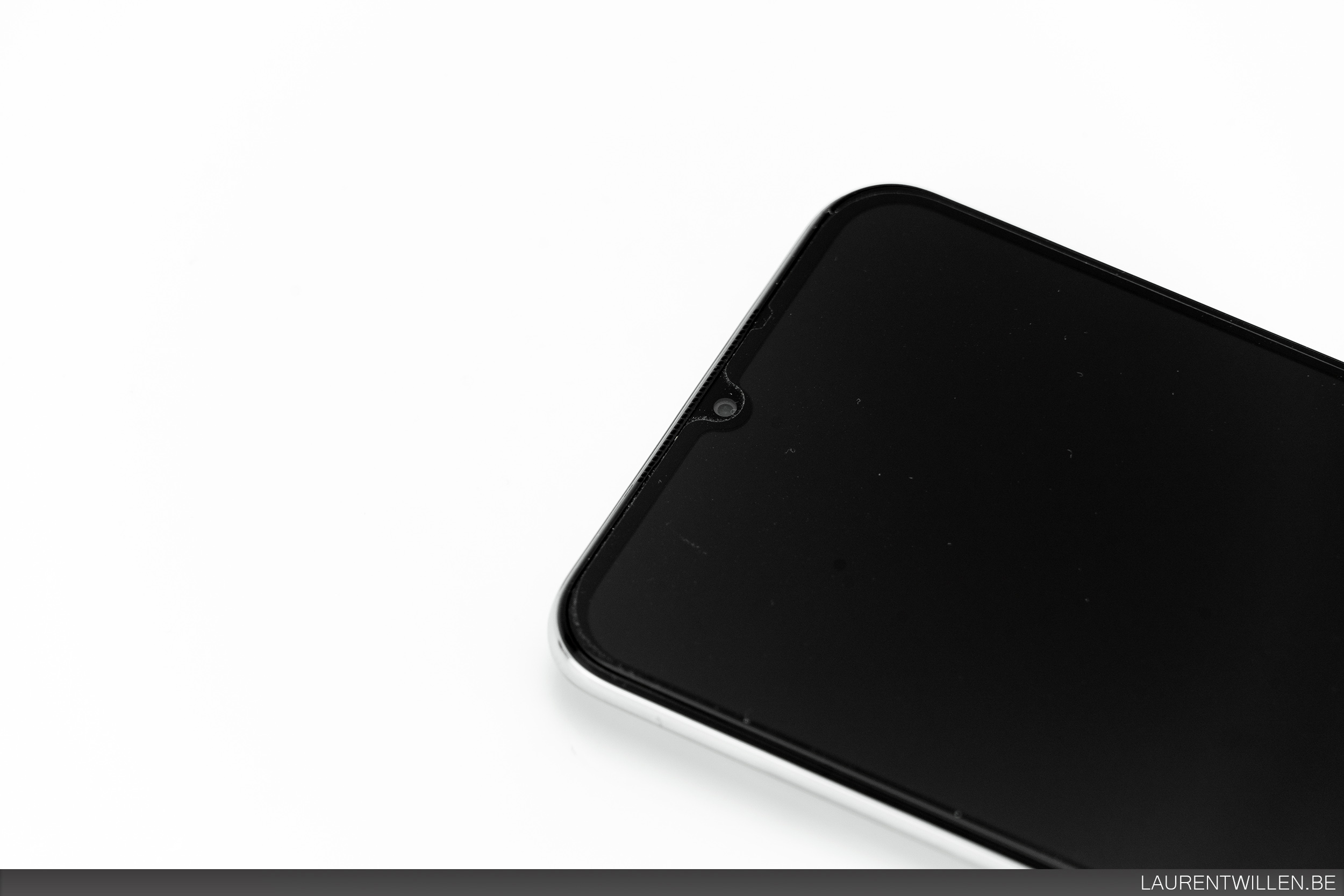
 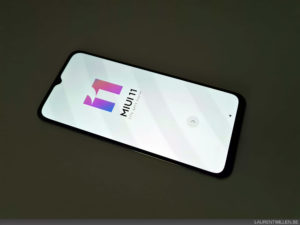 The screen occupies 85% of the front surface of the phone, it is an average percentage, the screen is however above average with its 6.7 inches. The borders are visible on either side but that's no more and no less than what I've seen on phones of the same price. The front camera marks a fashionable comeback of 2019 with its notch placed in the middle of the screen.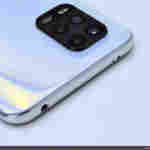


















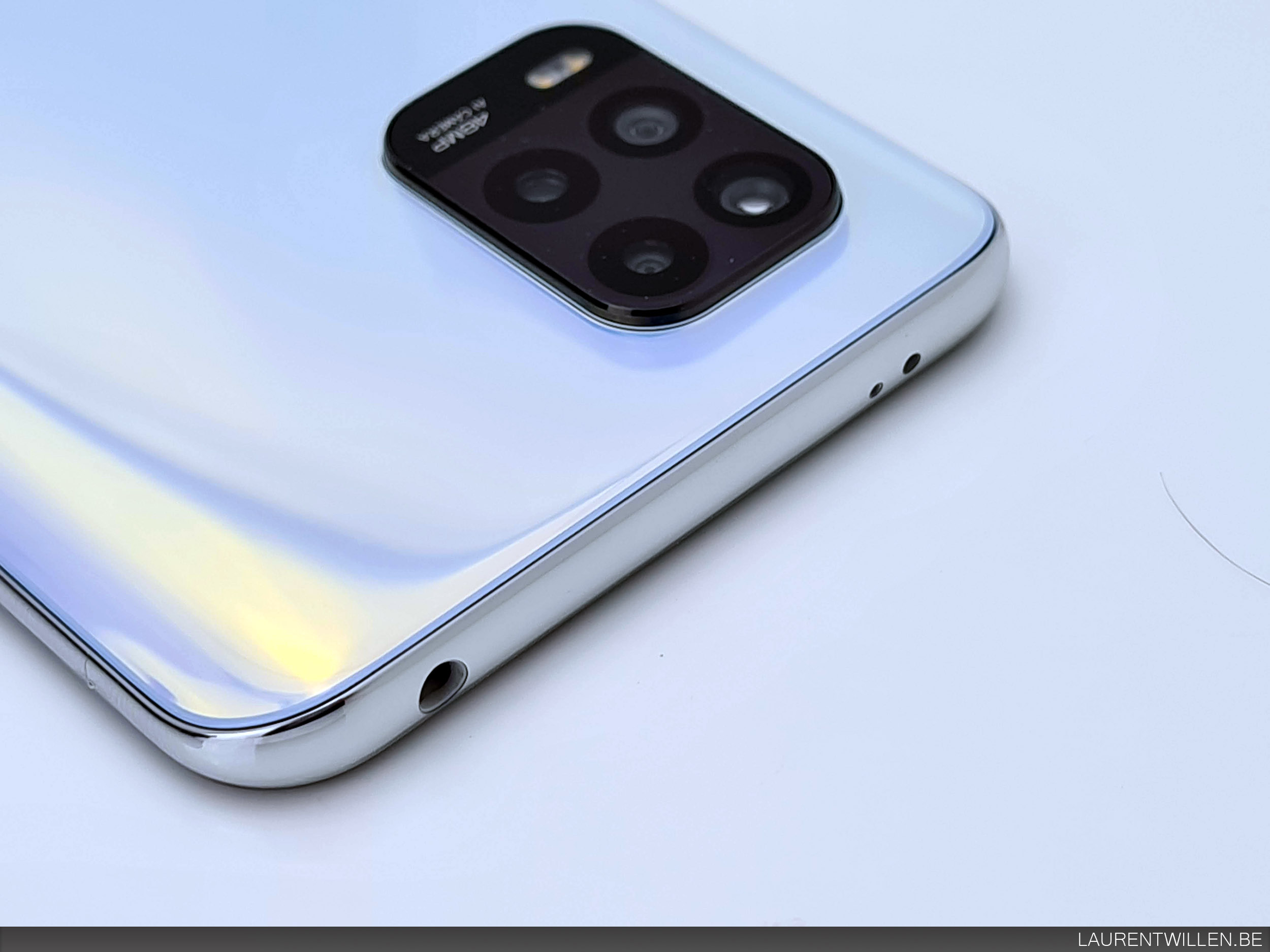
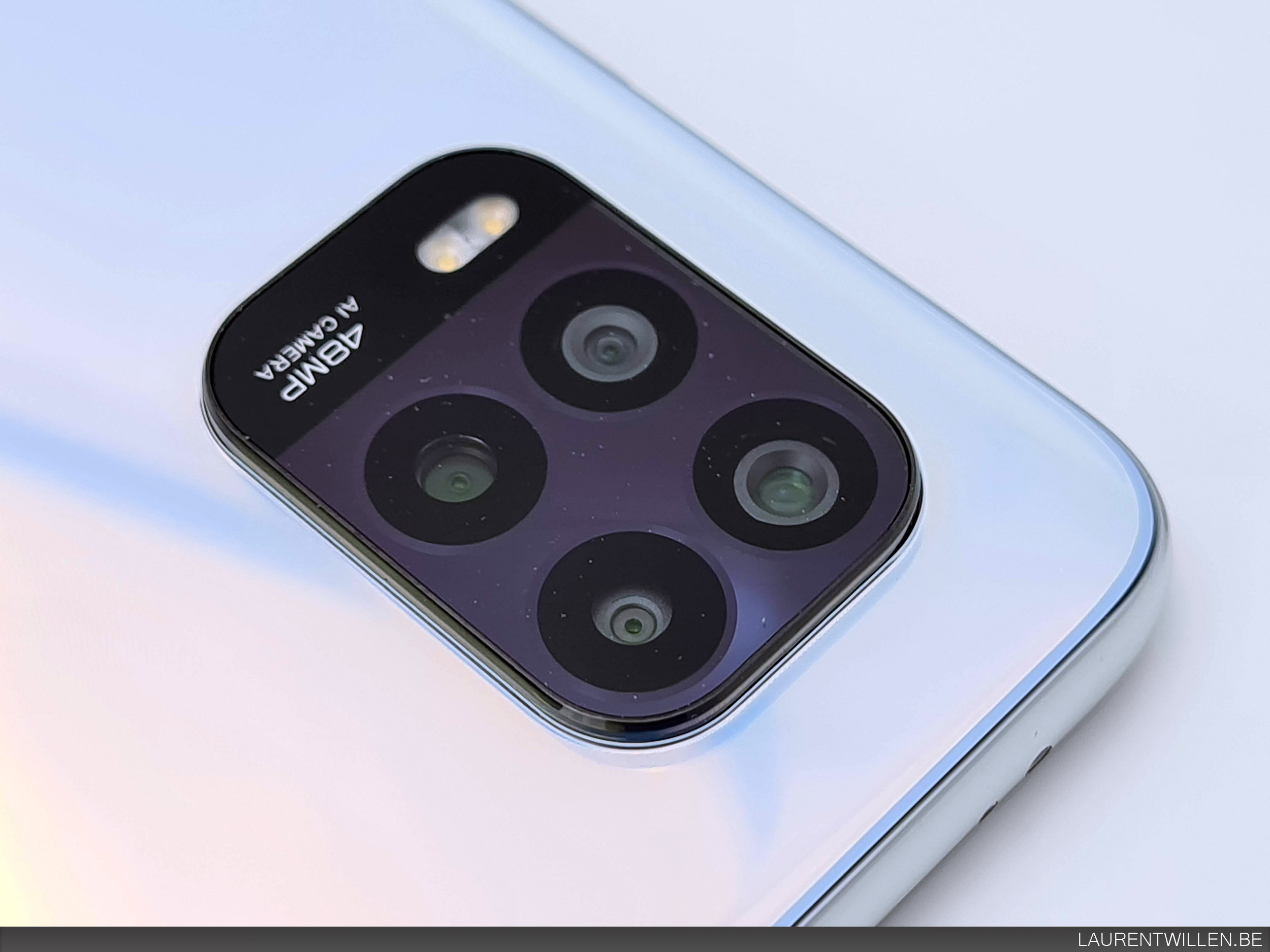
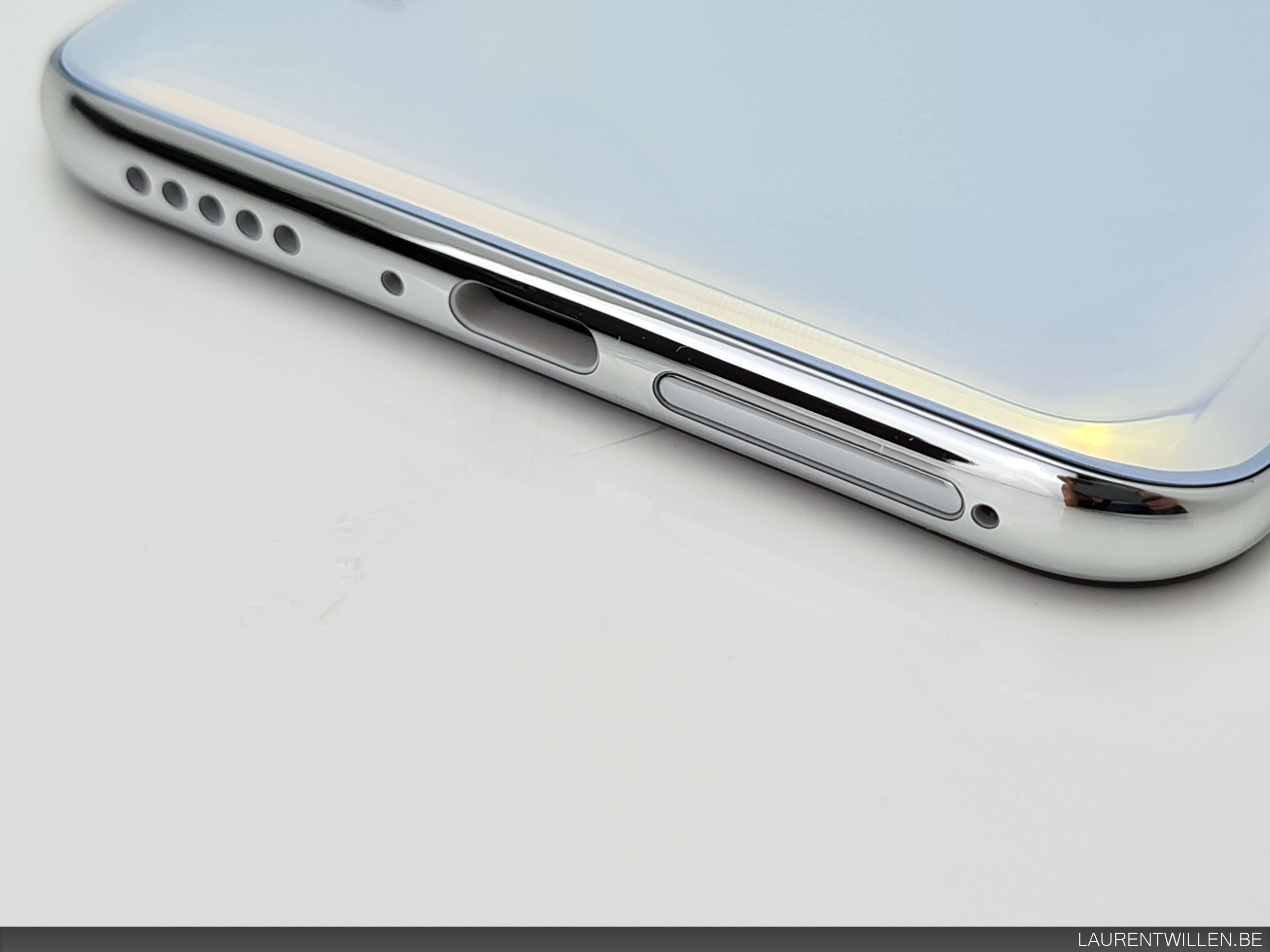
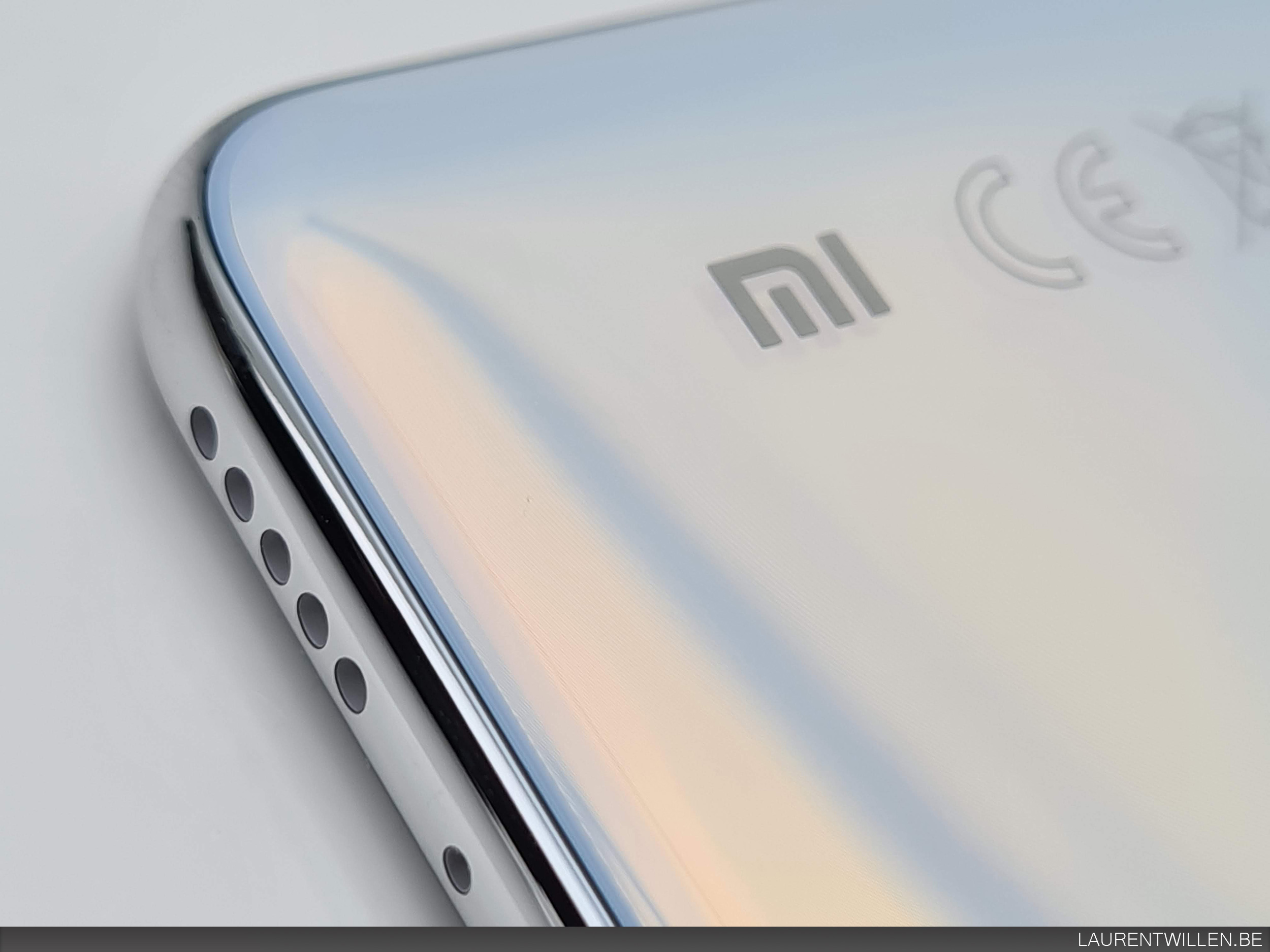
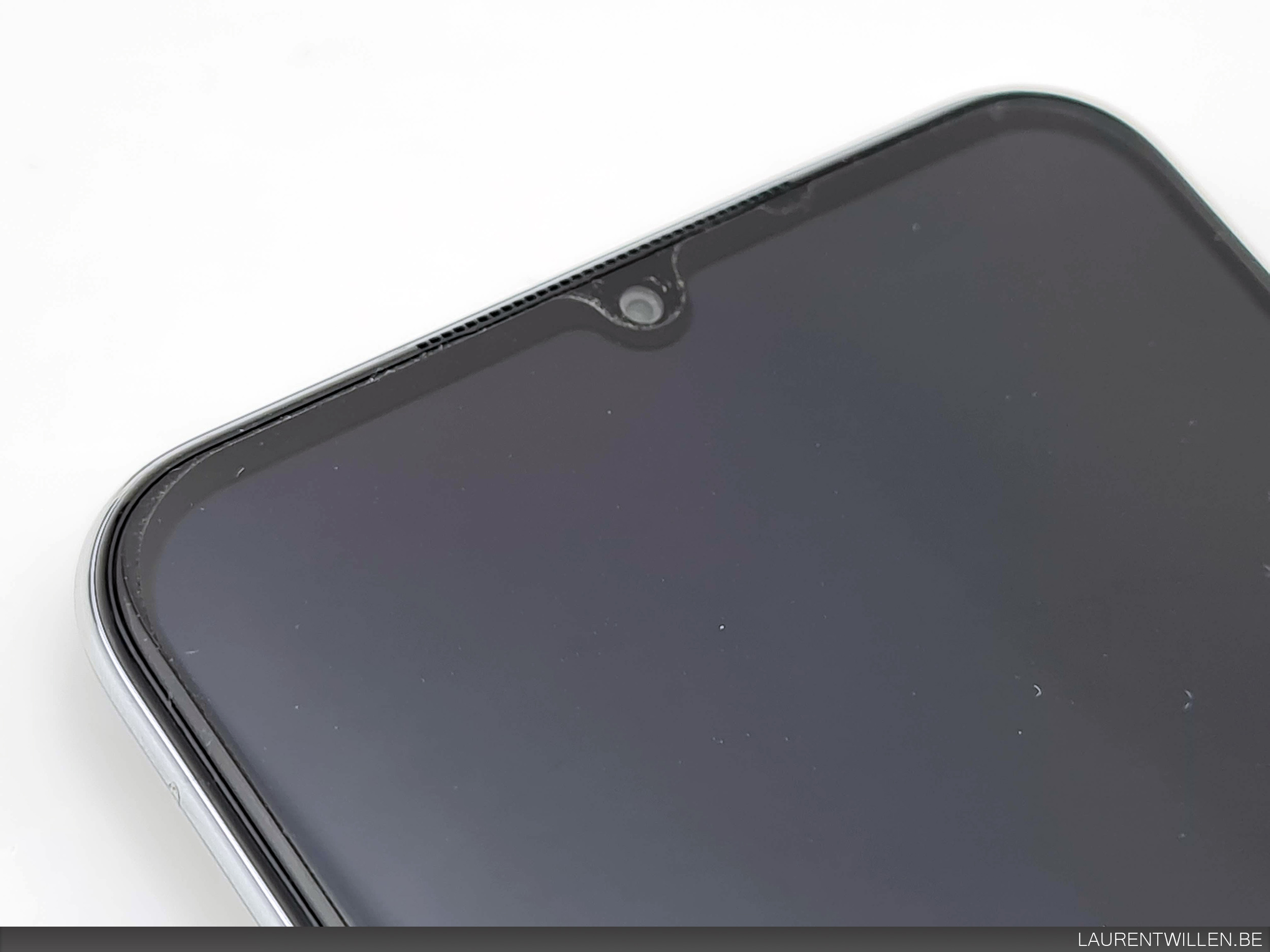
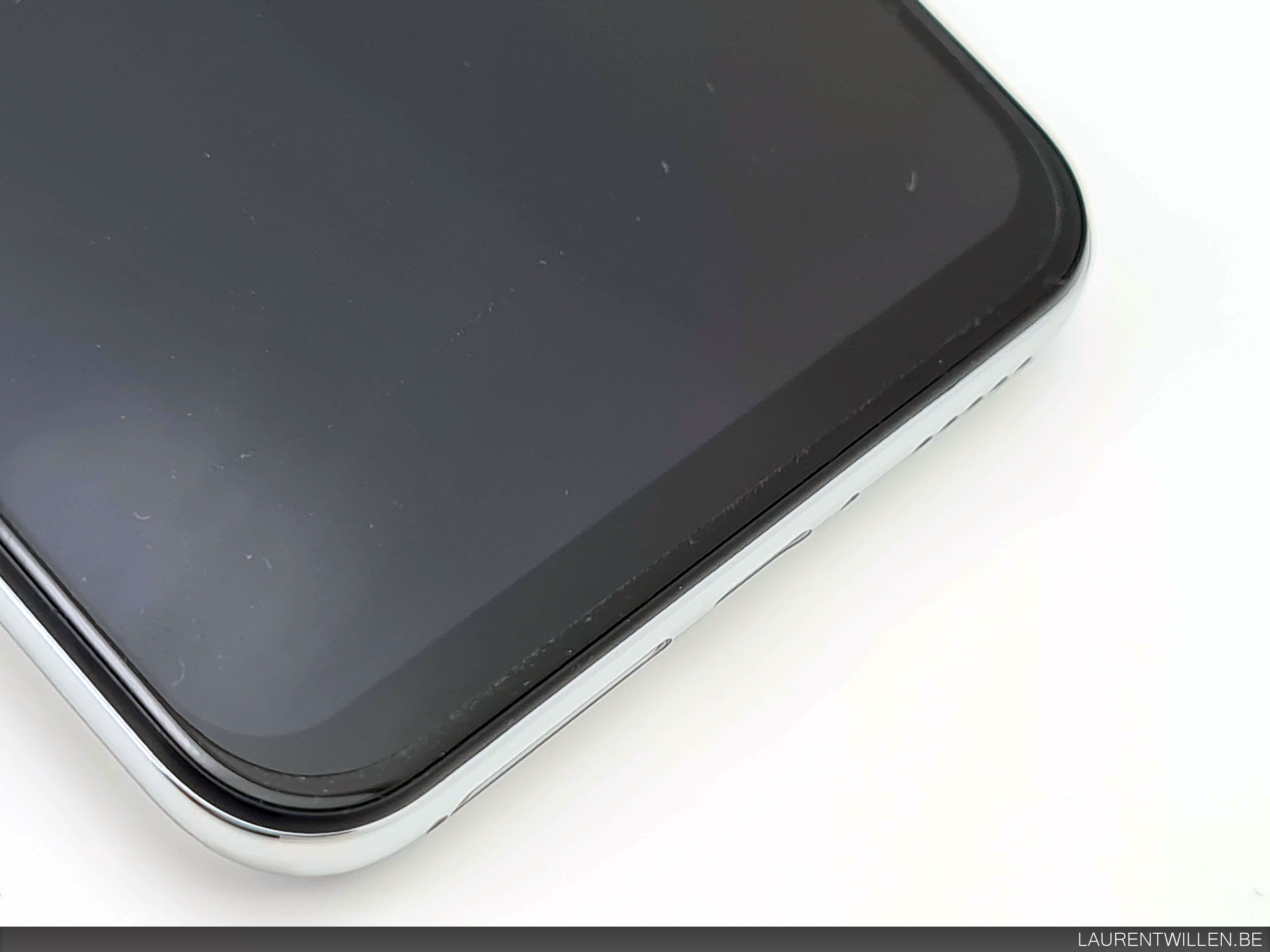
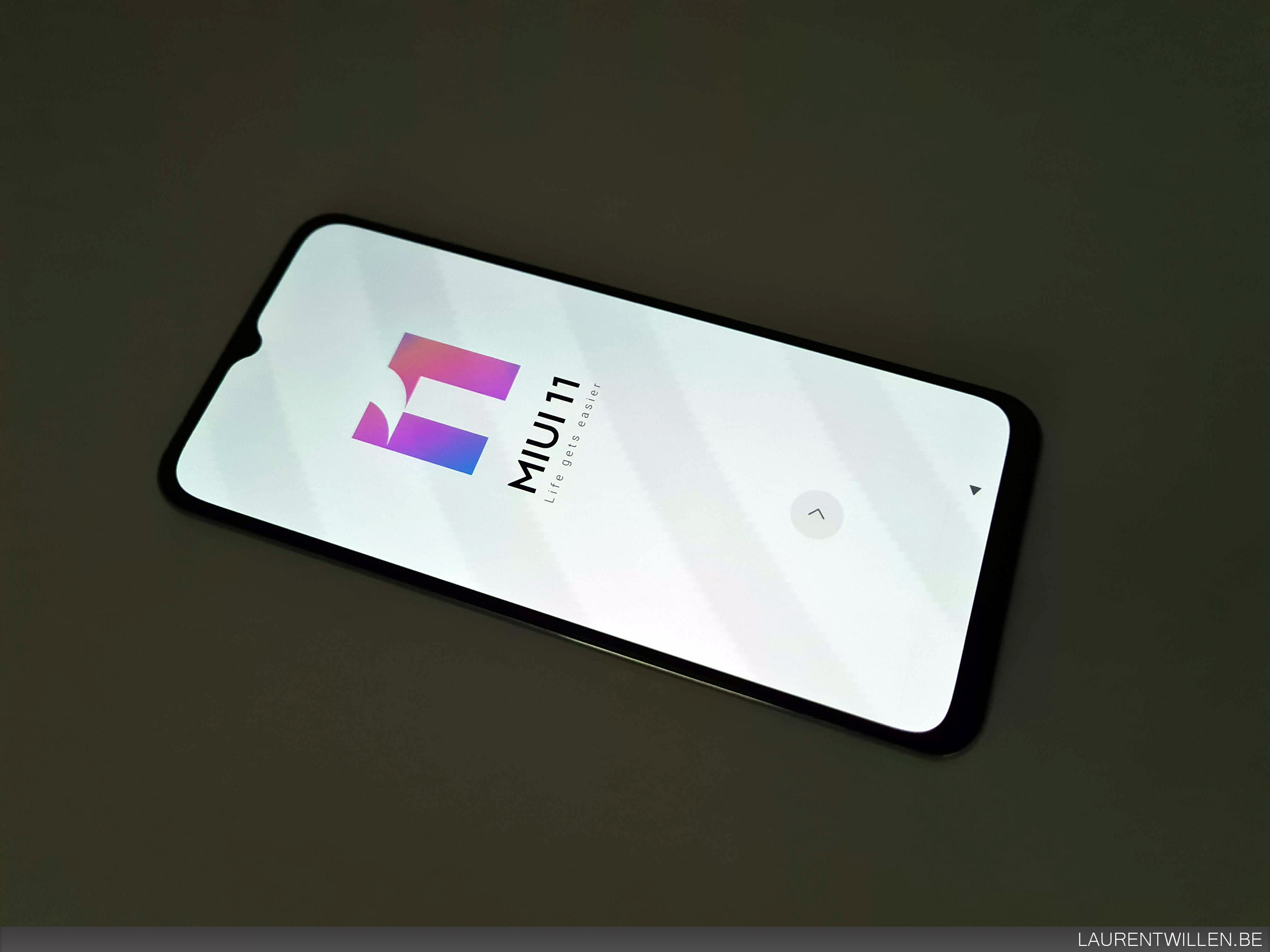
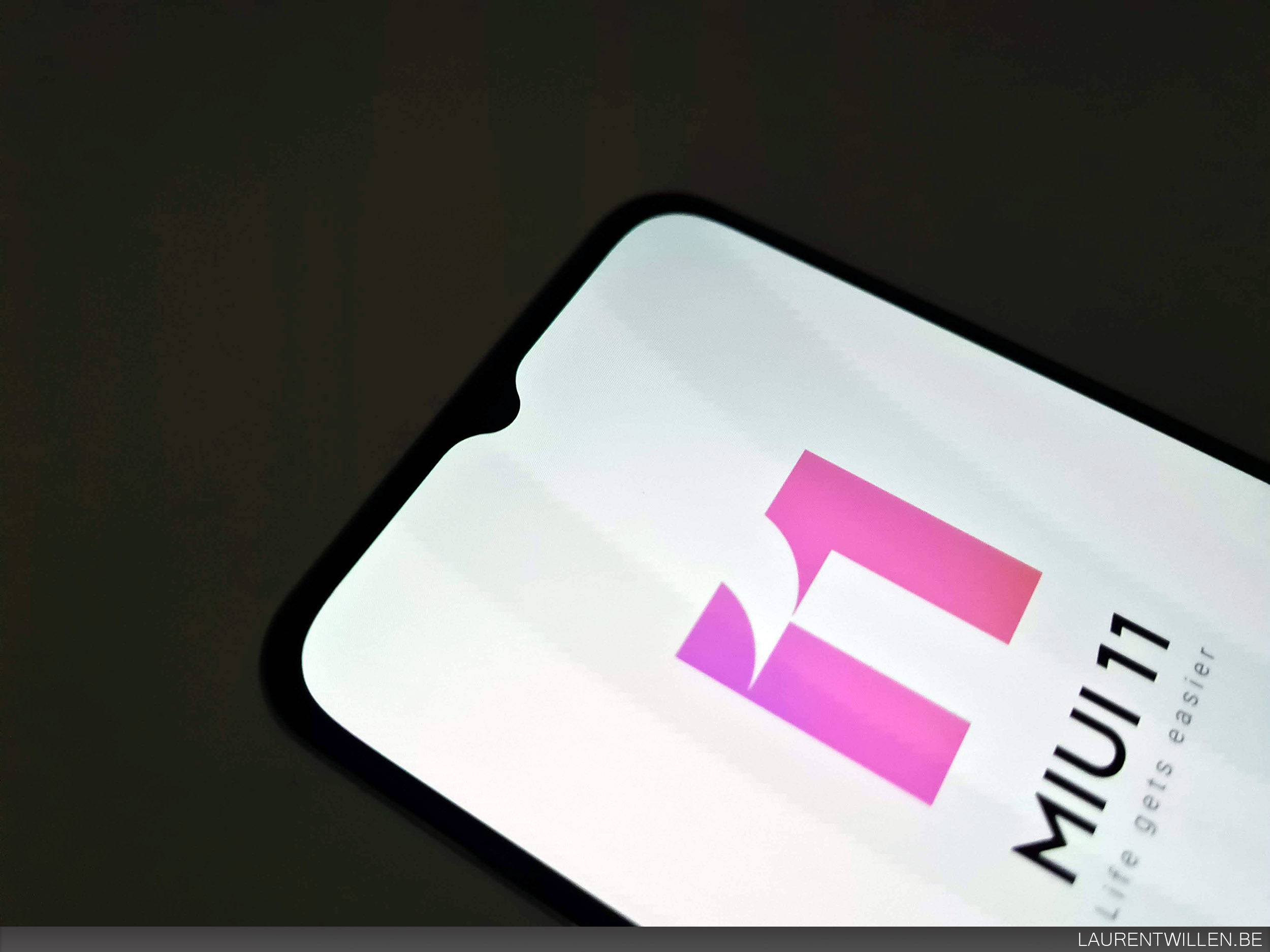
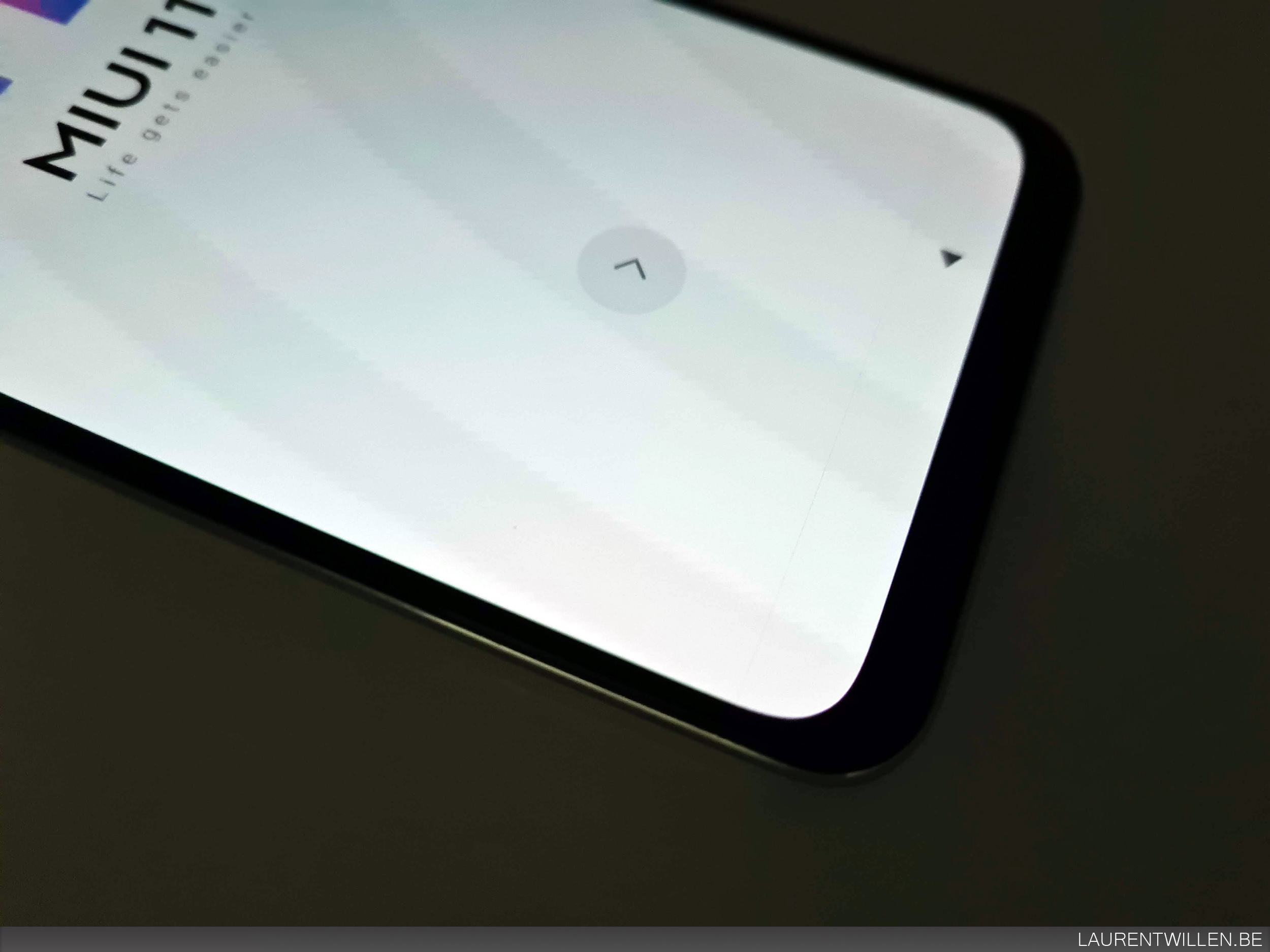
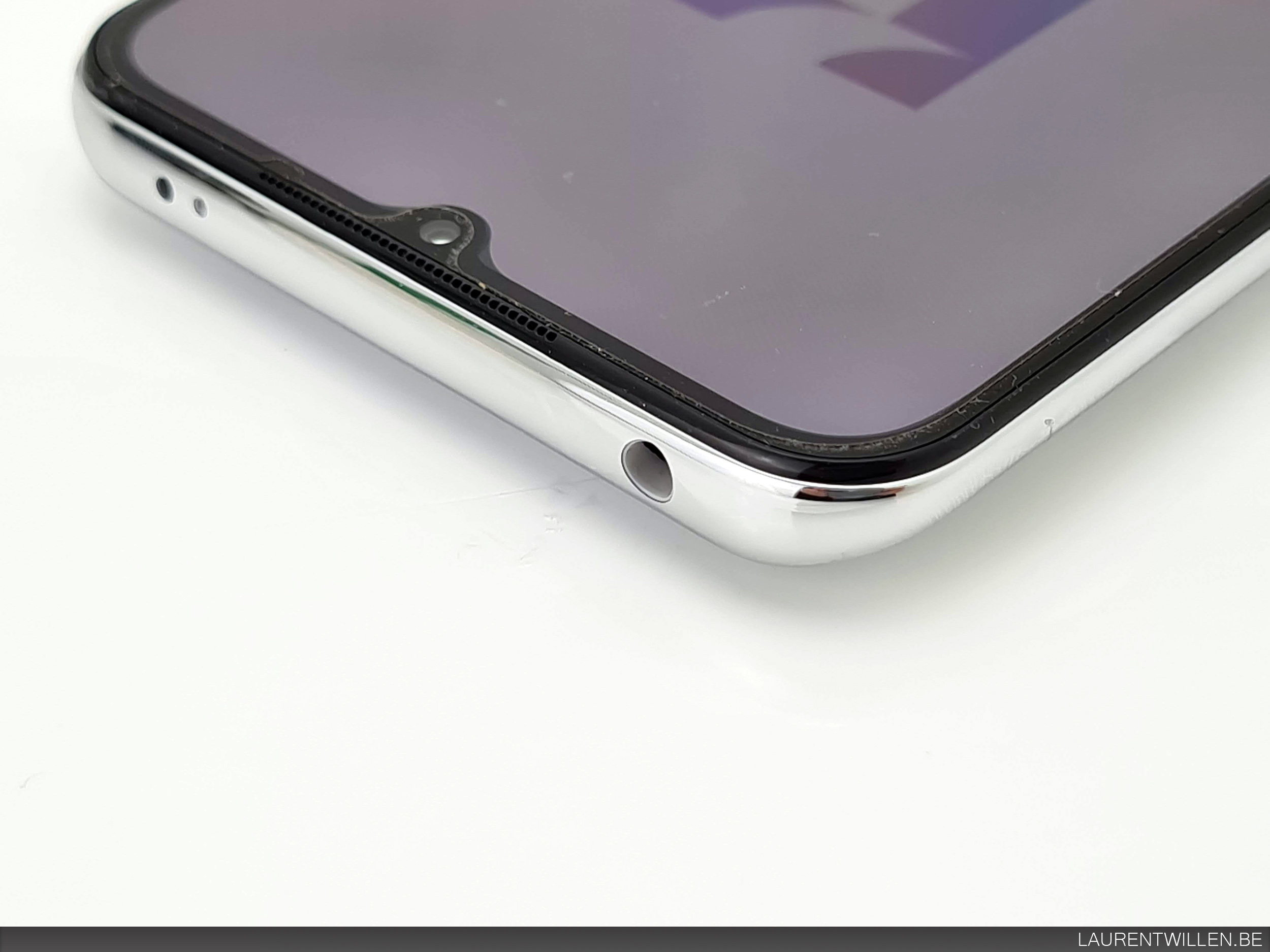
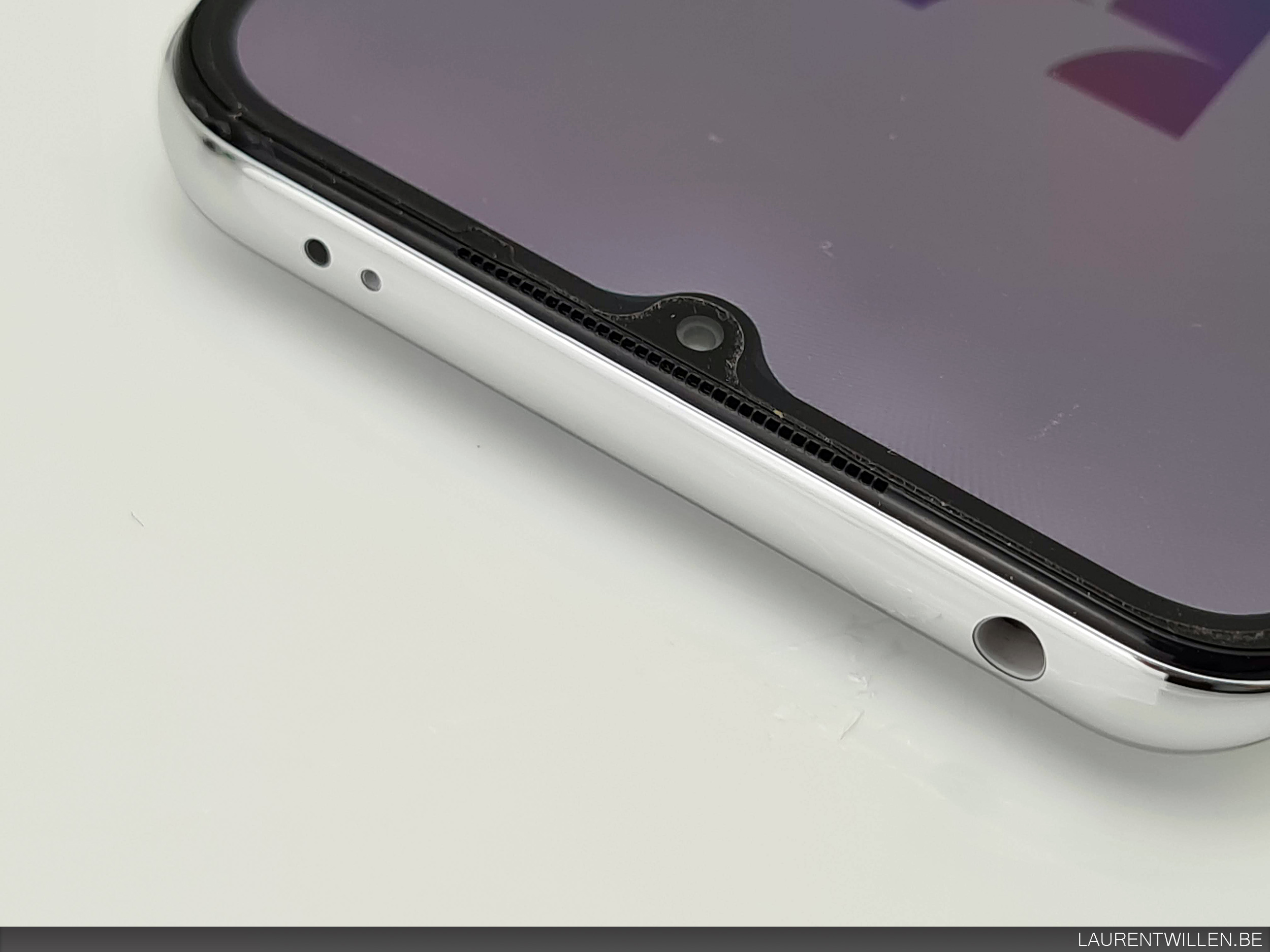
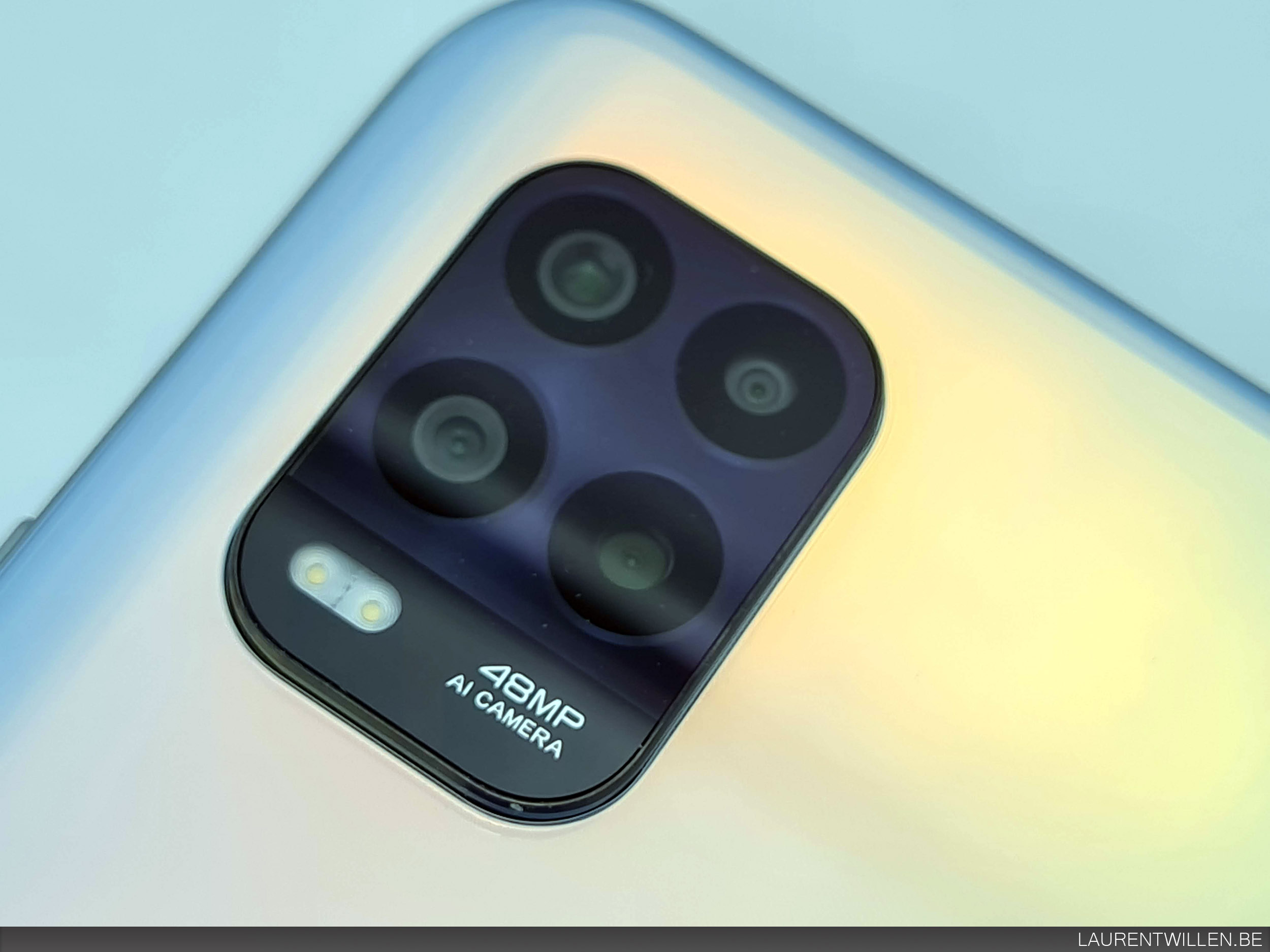
Specifications
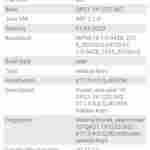
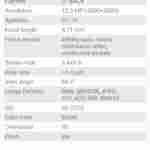
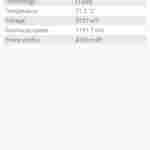
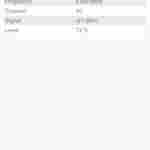
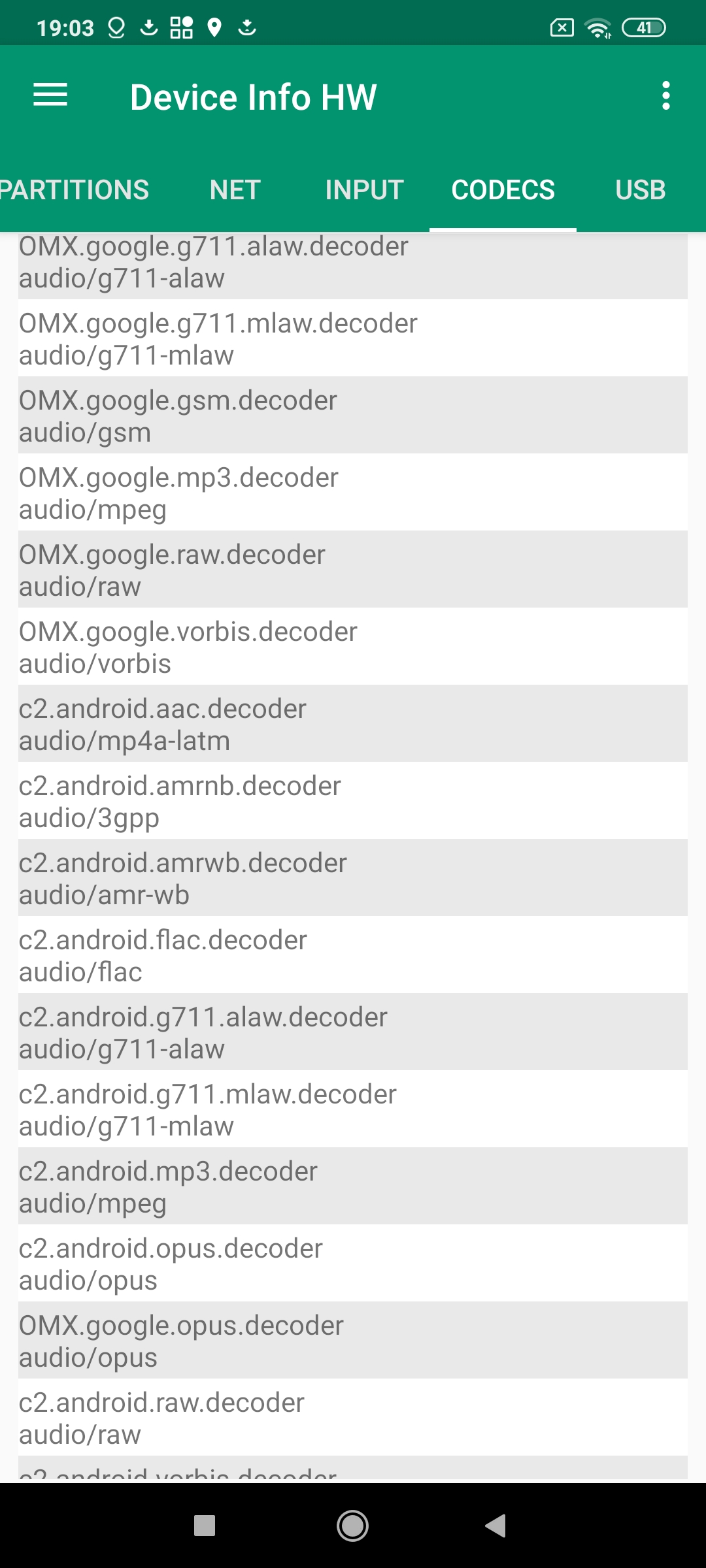
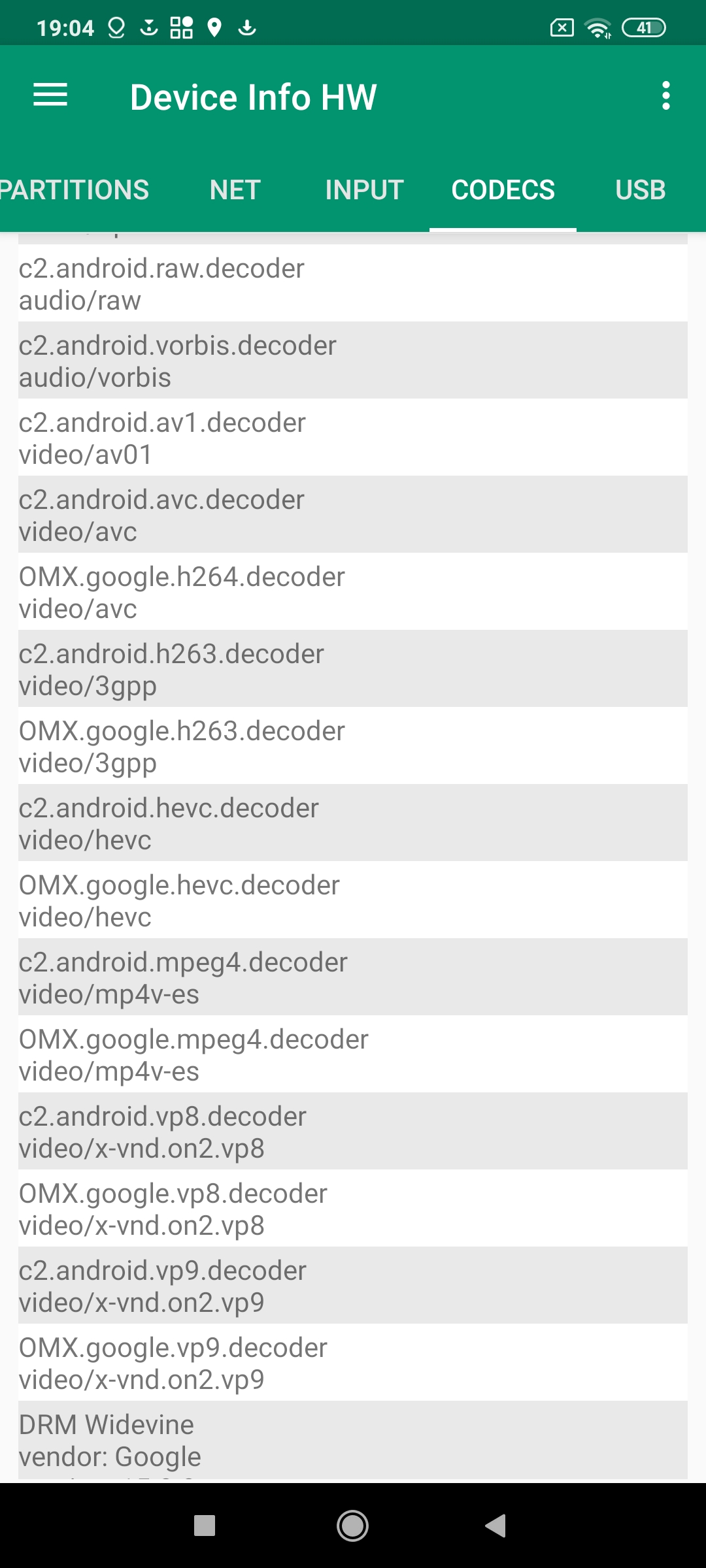
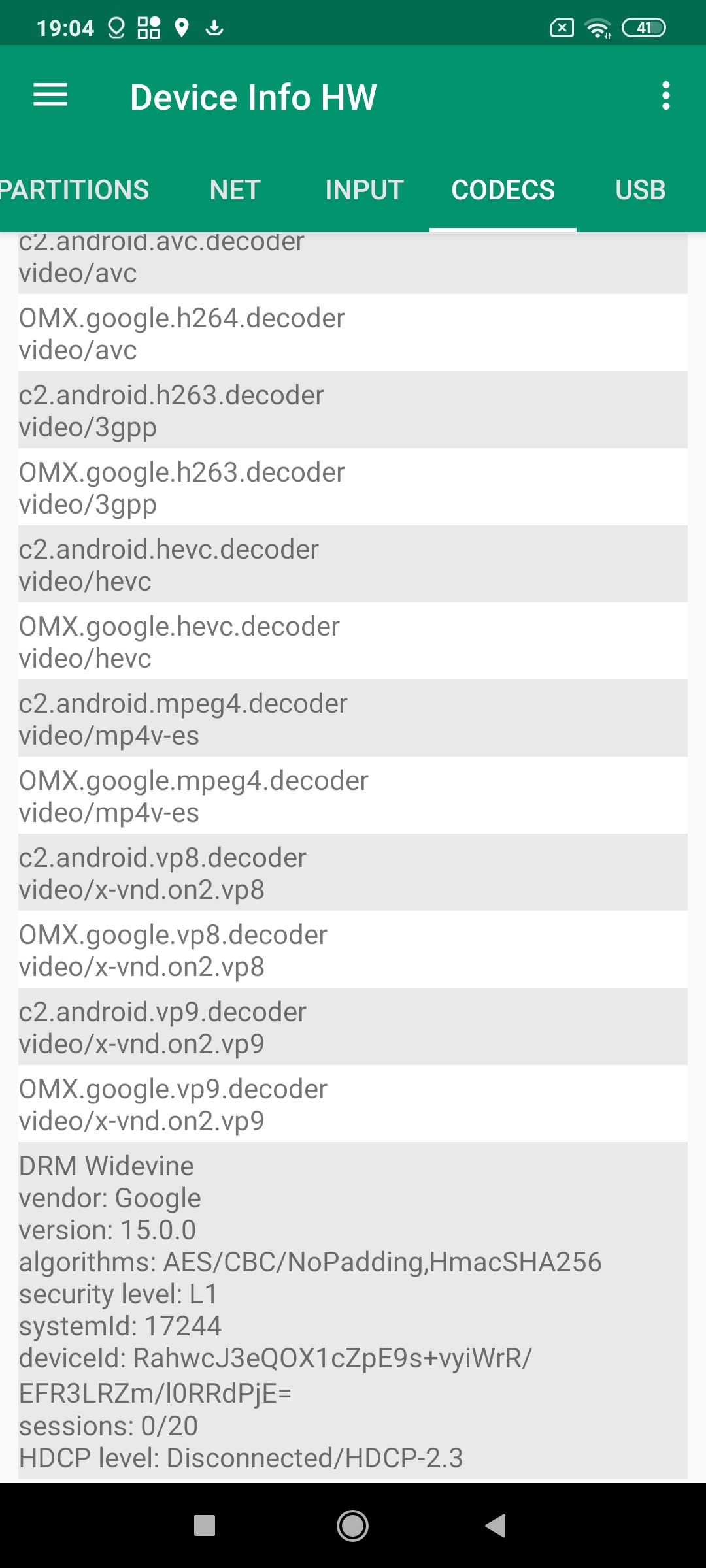
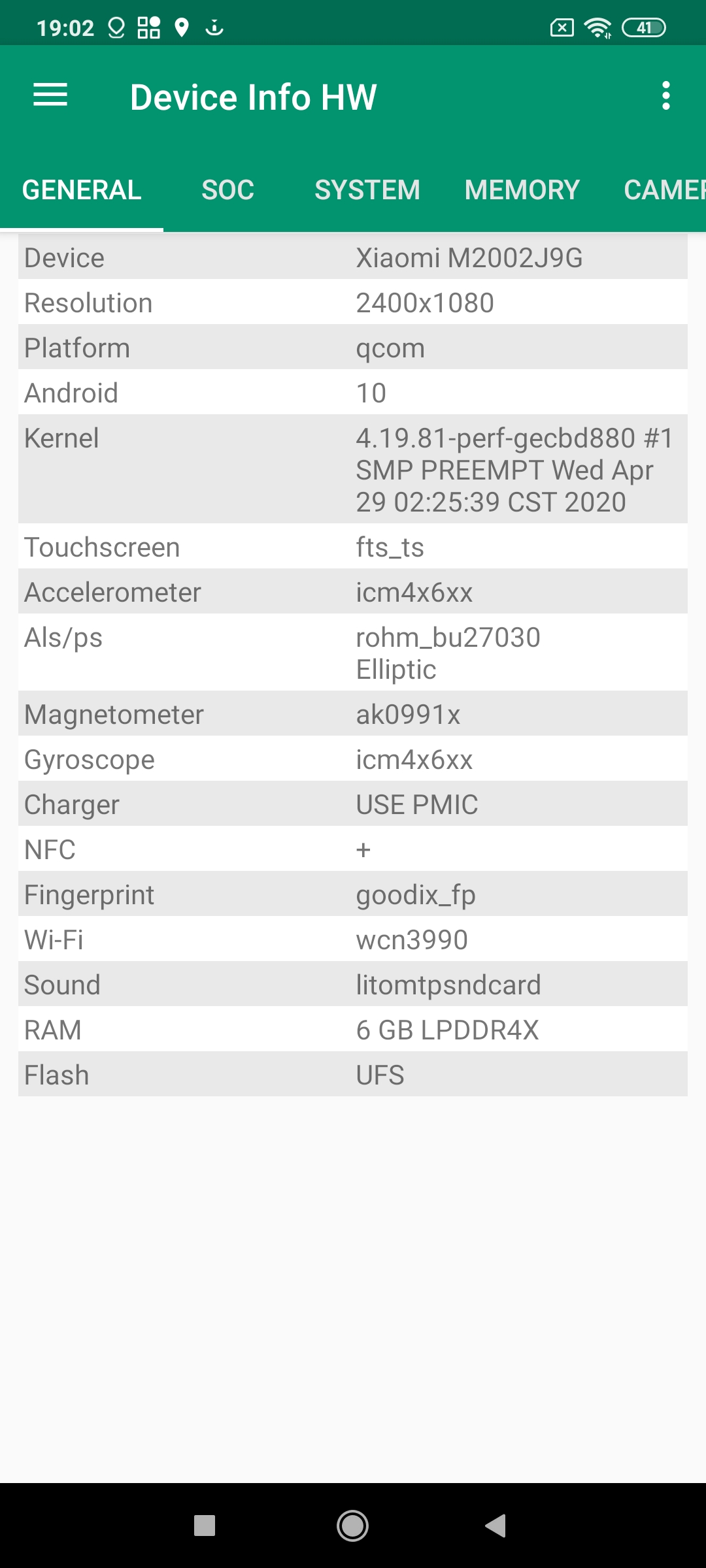
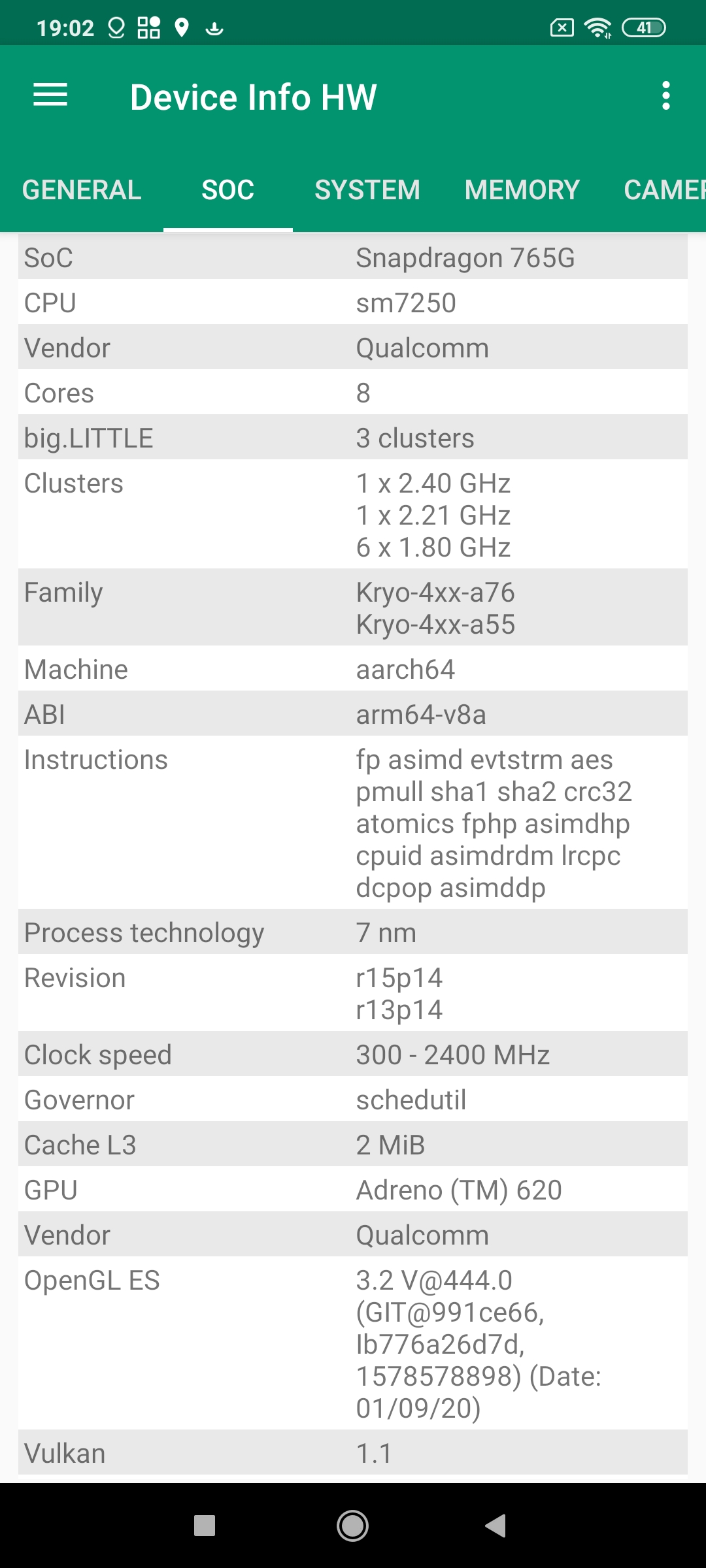
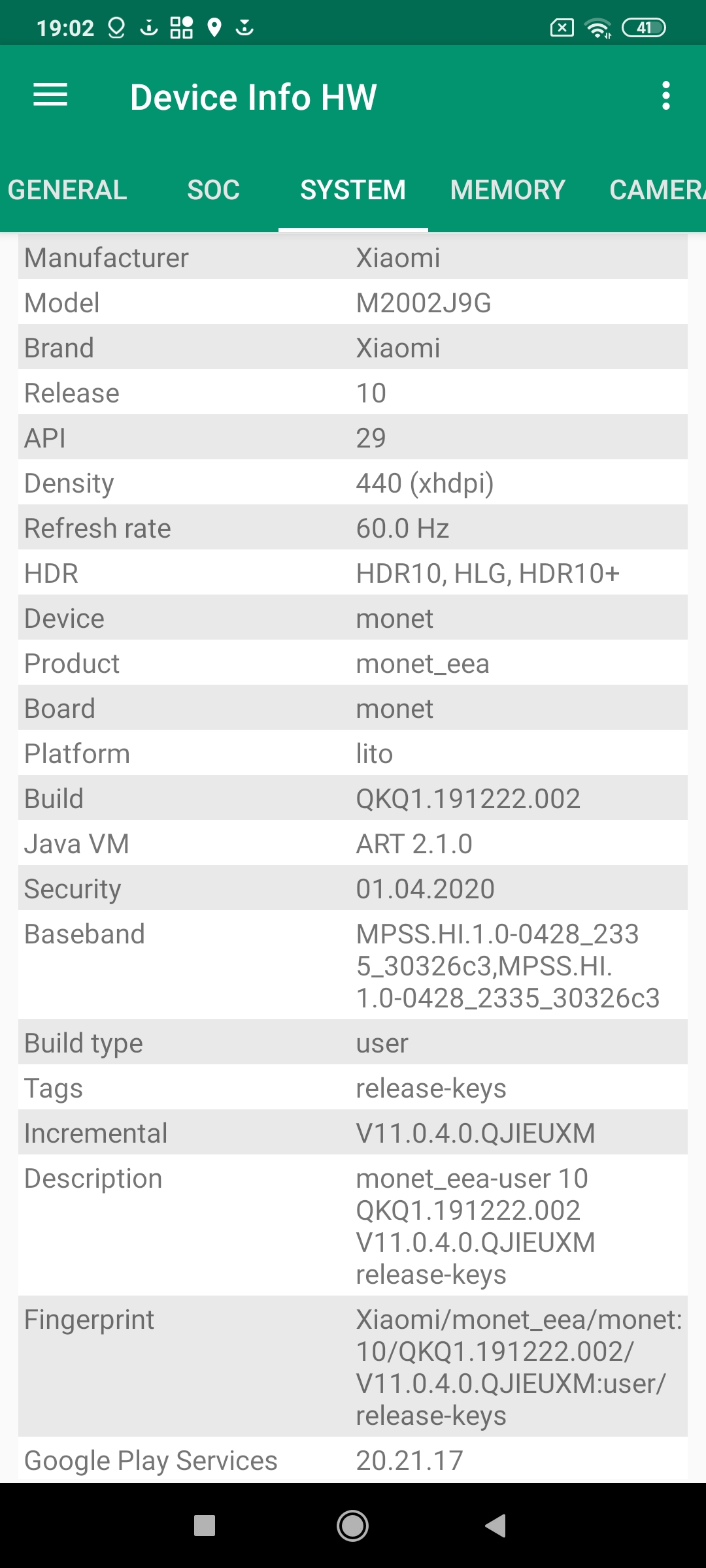
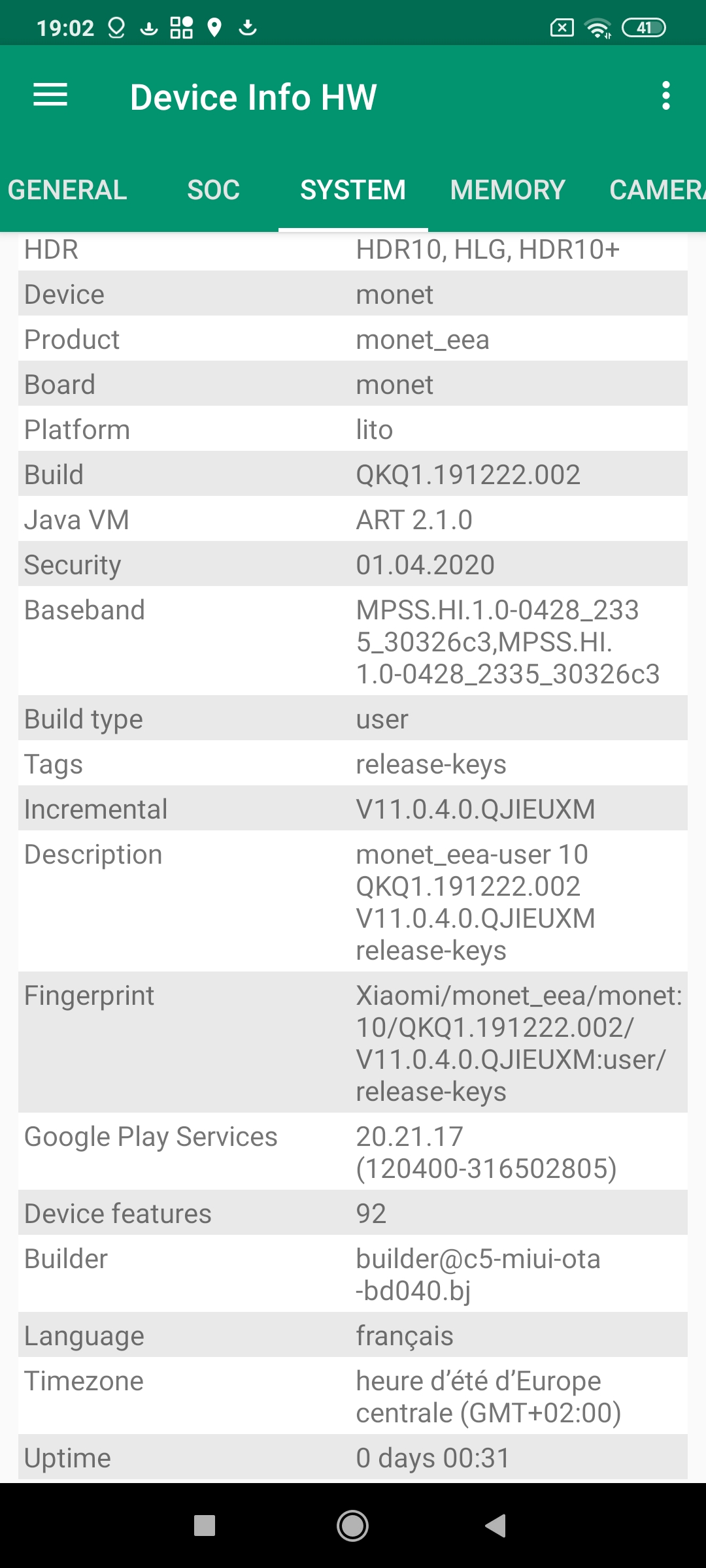
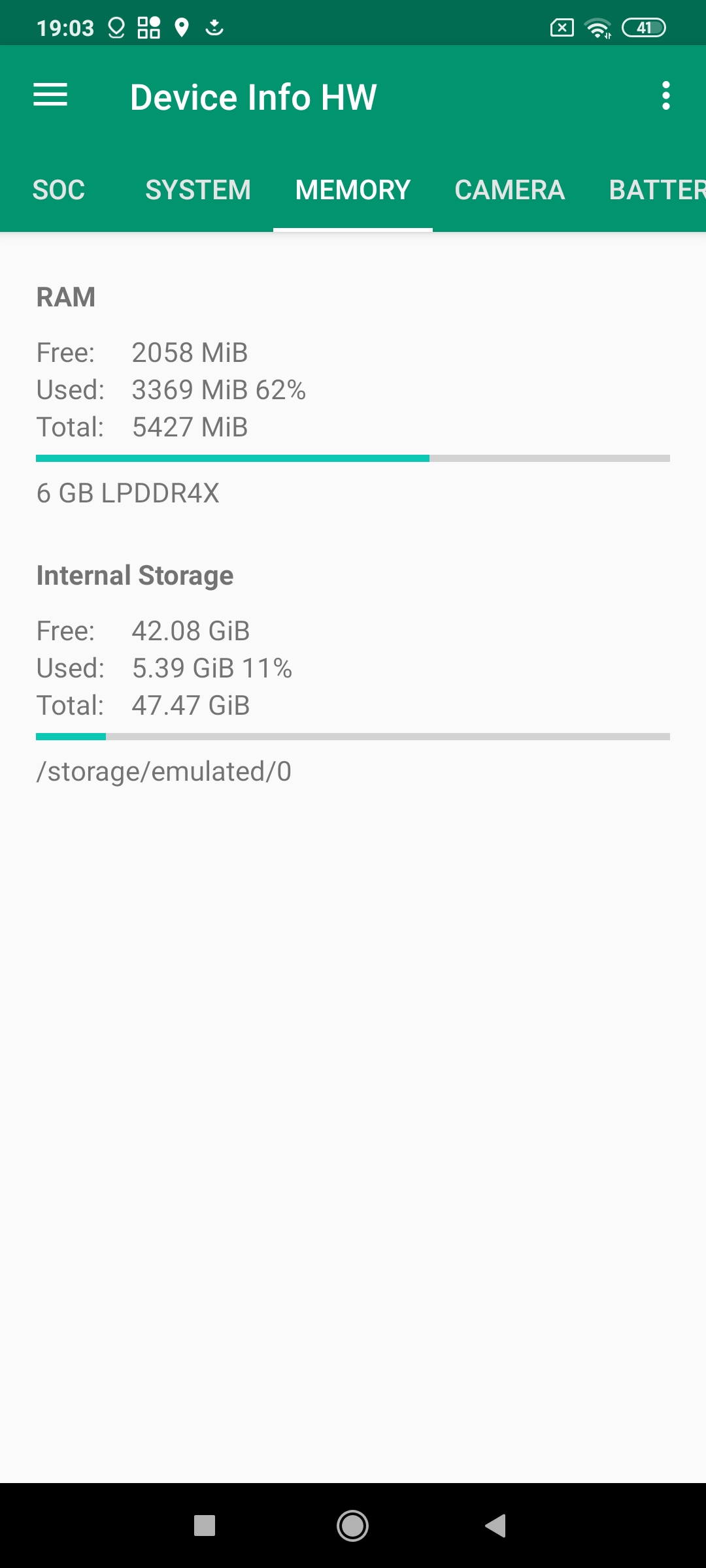
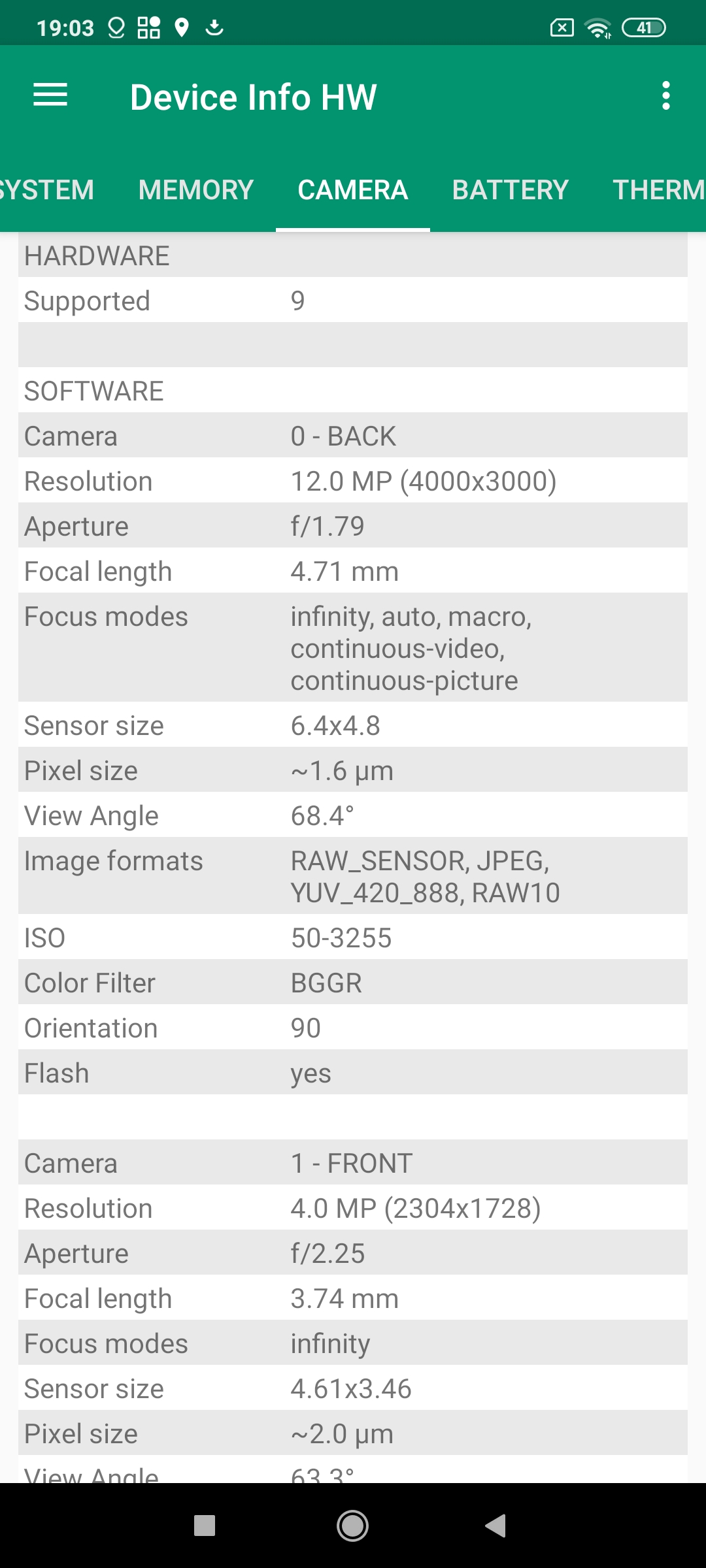
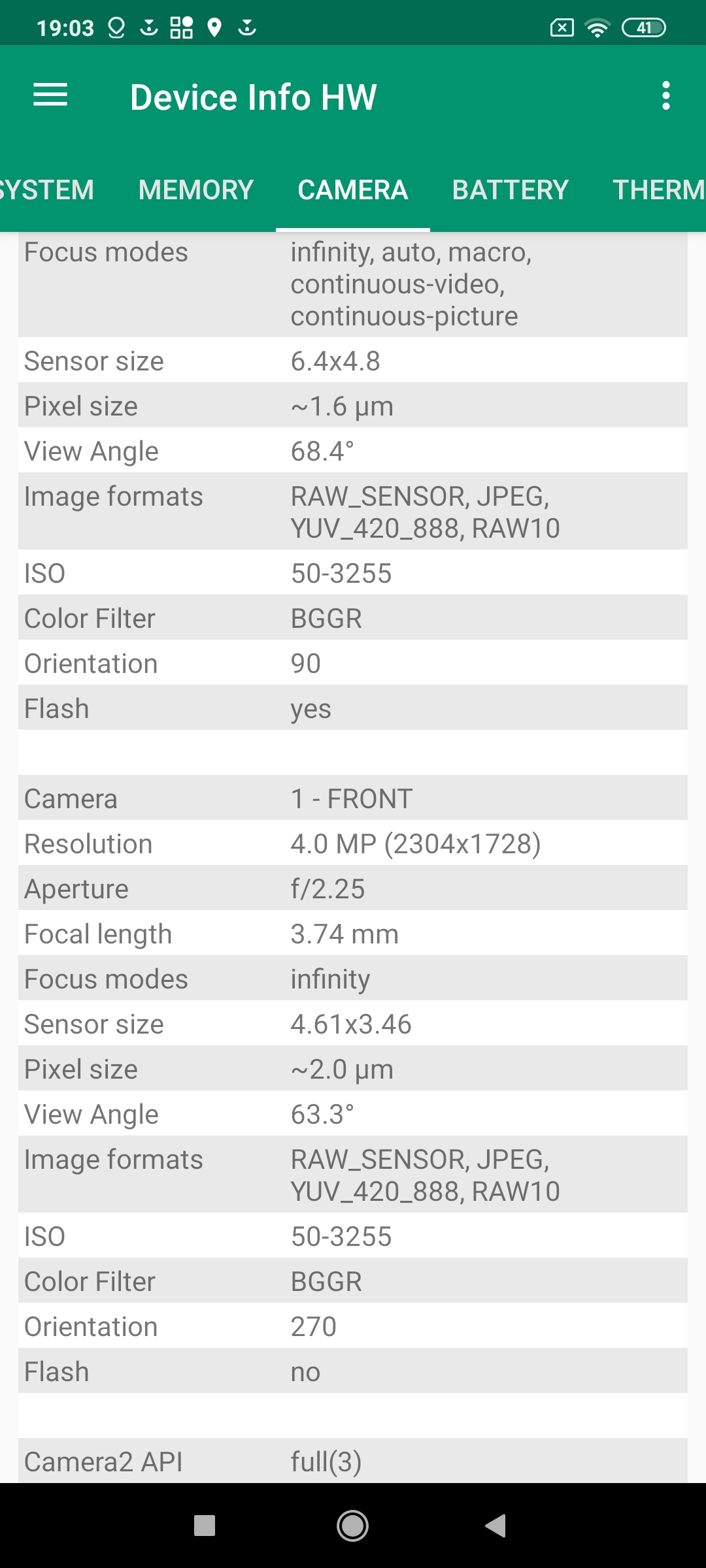
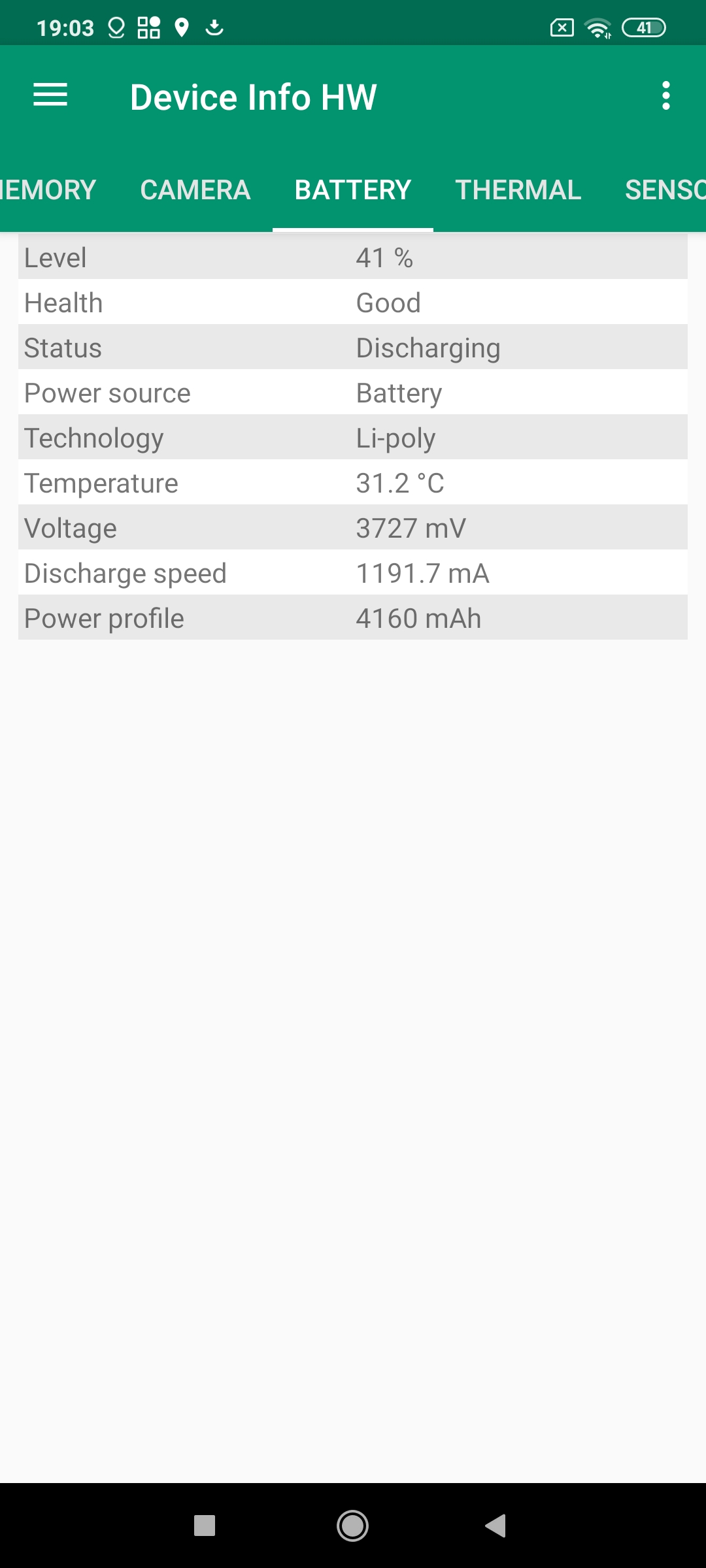
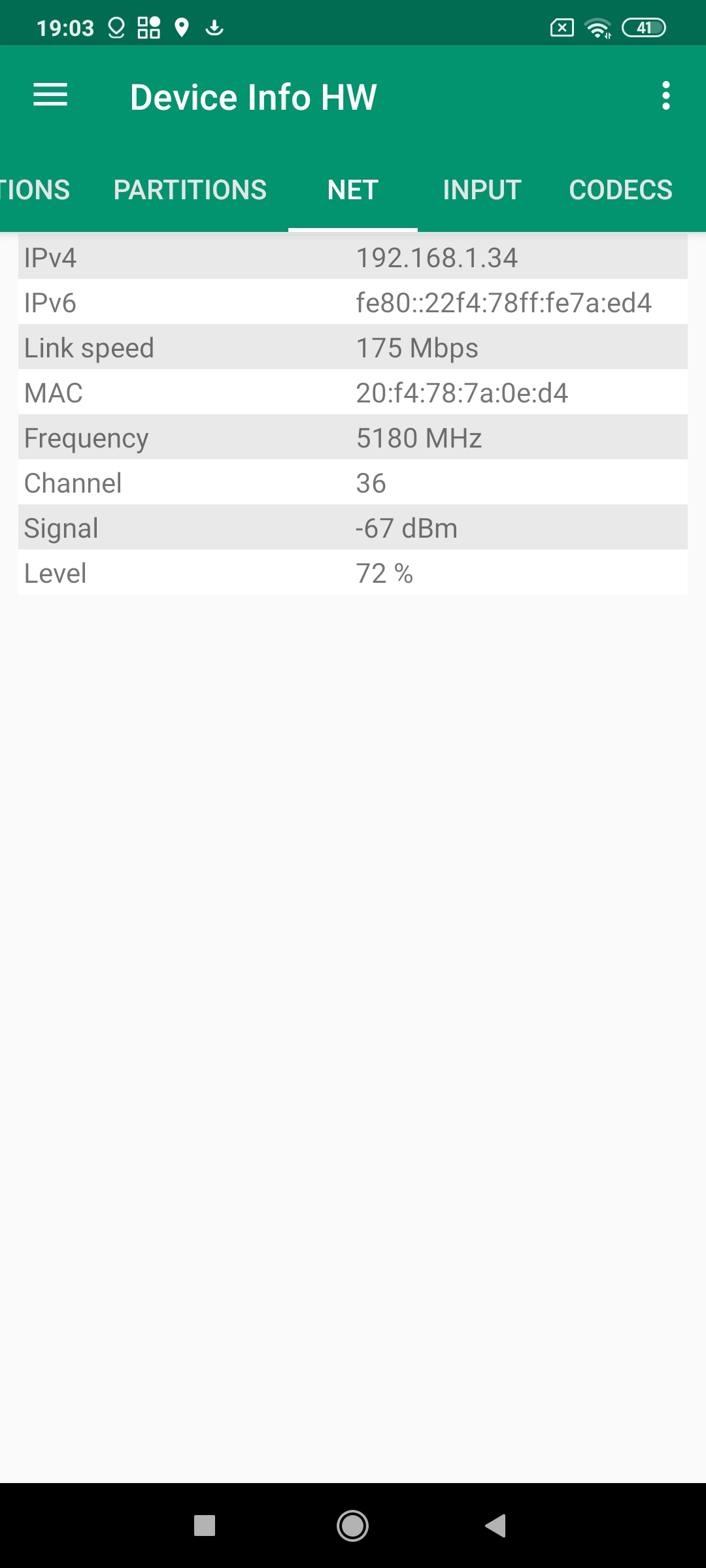
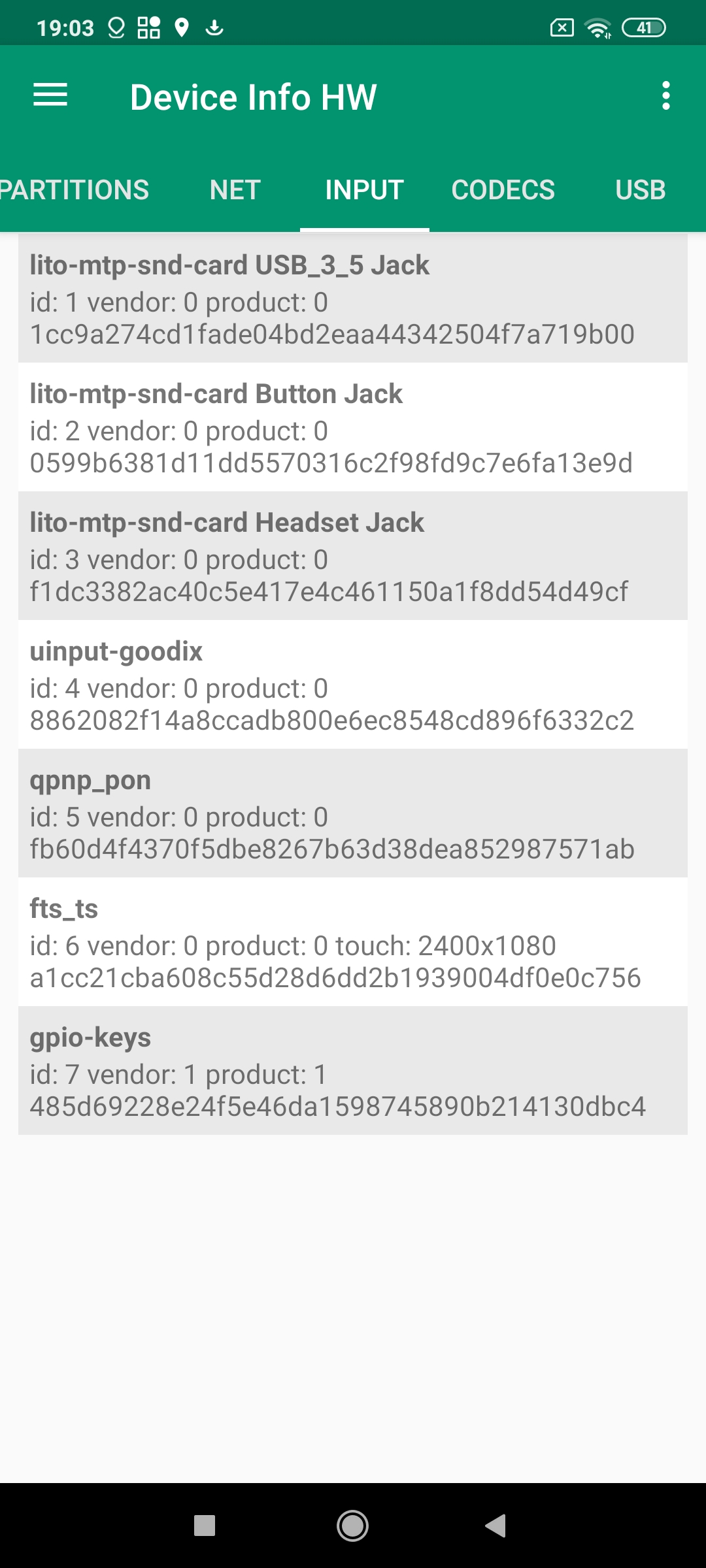
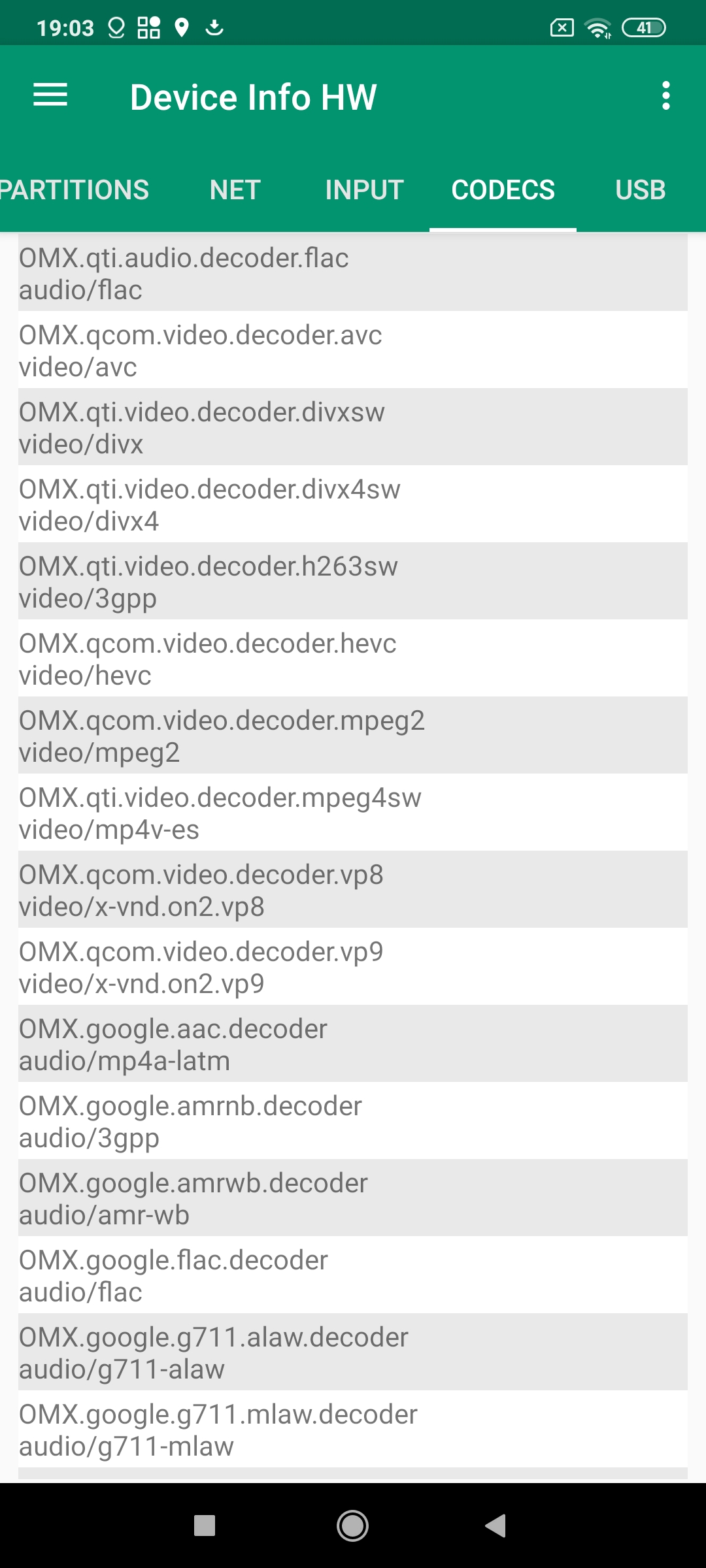
The information below comes from the Device Info HW application. The application provides detailed technical information about the tested phone.The Xiaomi Mi 10 Lite 5G exists in 2 versions for RAM (6Gb or 8Gb) and 3 versions for storage (64 Gb, 128 Gb, 256 Gb). With 6Gb of basic RAM, you can easily run multiple applications at the same time. If you're using cloud sync for storage, 64 Gb should be enough. I tested the 6Gb / 64Gb version but it offers exactly the same performance as the other versions. This model uses the code name M2002J9G. Widevine L1 is available at codec level, this should allow Netflix to be used in HD.









CPU / GPU Performance
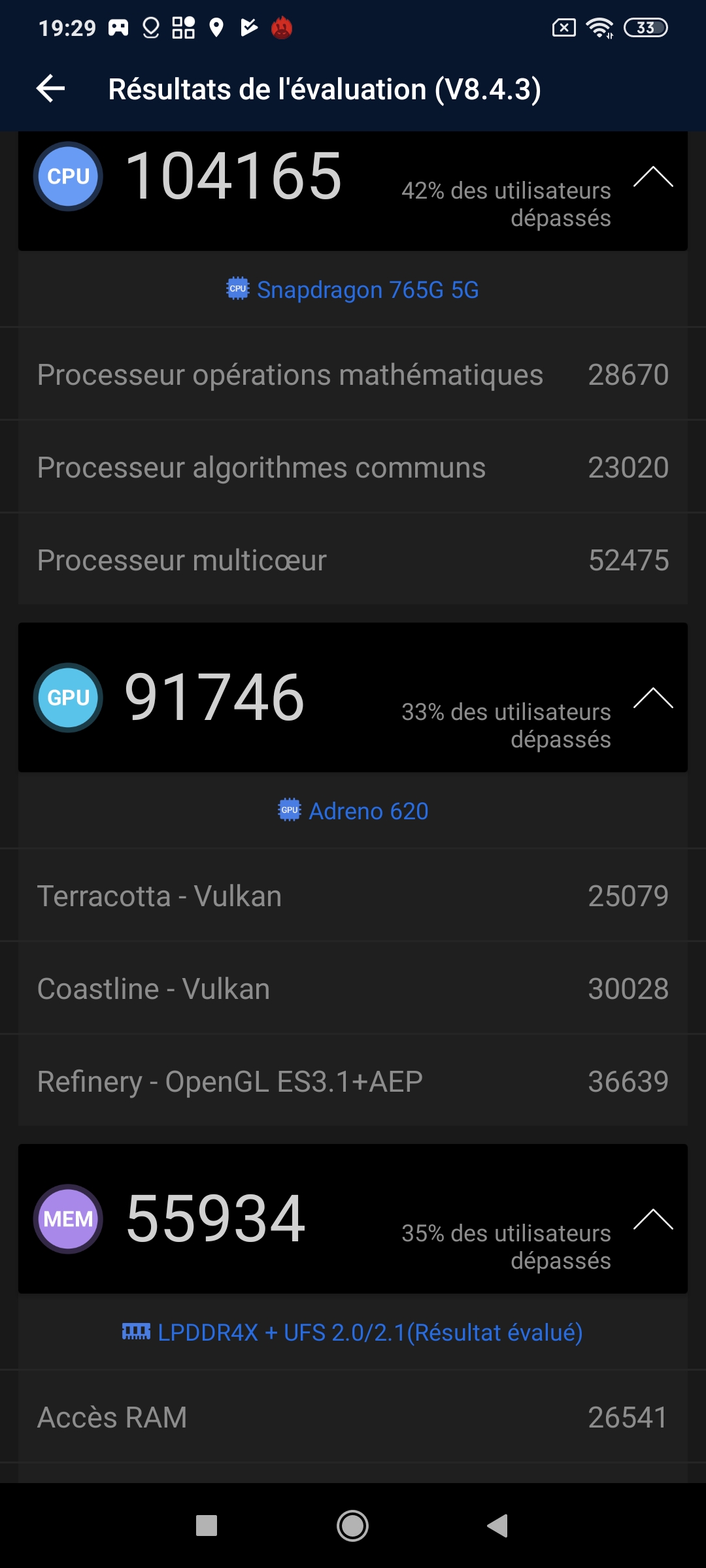
The Xiaomi Mi 10 Lite 5G is equipped with a Qualcomm Snapdragon 765G processor which is also used in other devices such as the Motorola Edge, the Oppo Finx X2 or the Nubia Play 5G. This processor places the Mi 10 Lite 5G at the level of a Samsung Galaxy S10 + and a little above the Realme 6 and Redmi Note 9s. For the graphics part, the Mi 10 Lite is equipped with an ARM Mali G-76 1Ghz GPU, this is an evolution of the GPU found in the Realme 6, this new version offers 10 to 20% more power. With such a performance, the Mi 10 Lite comes to occupy one of the first positions for the performance / price ratio.Benchmark Antutu/3DMark
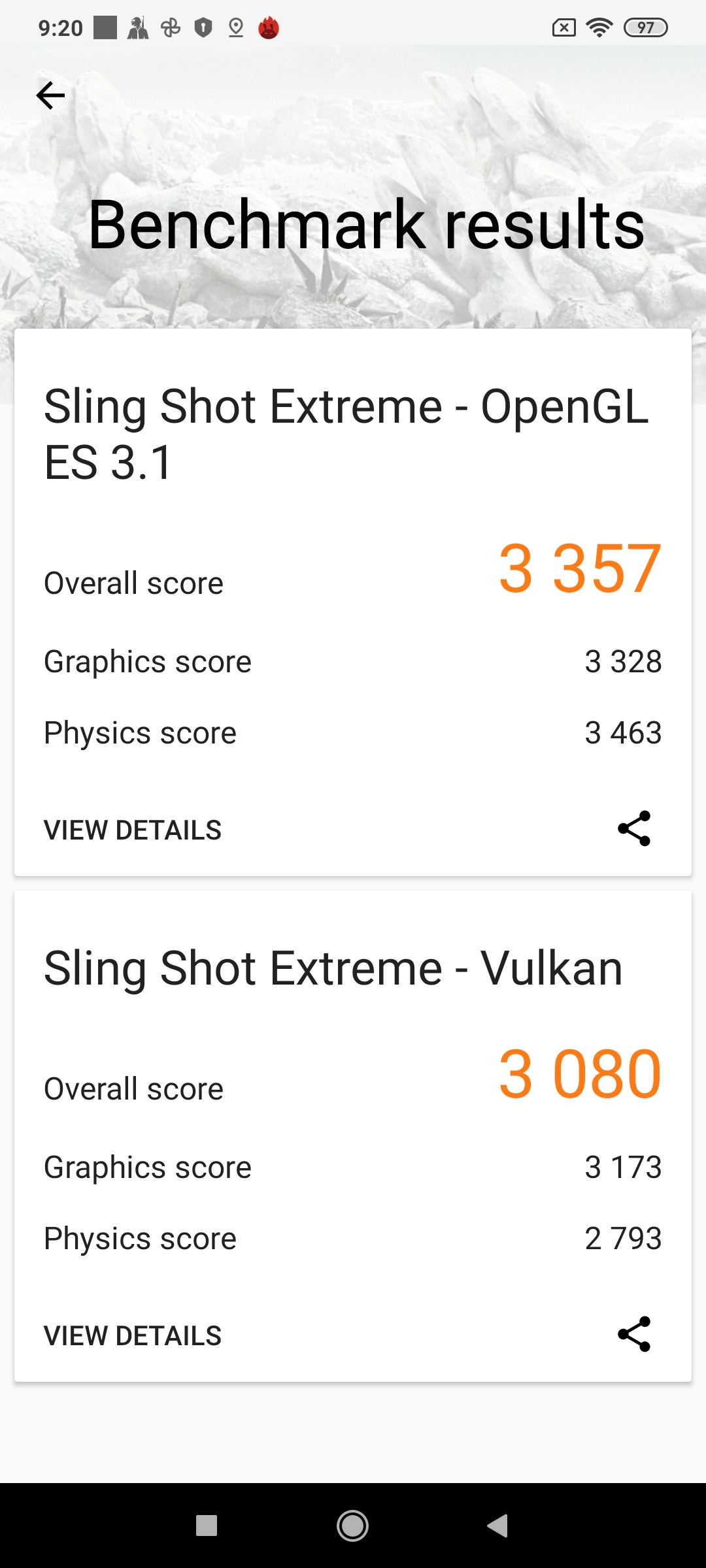
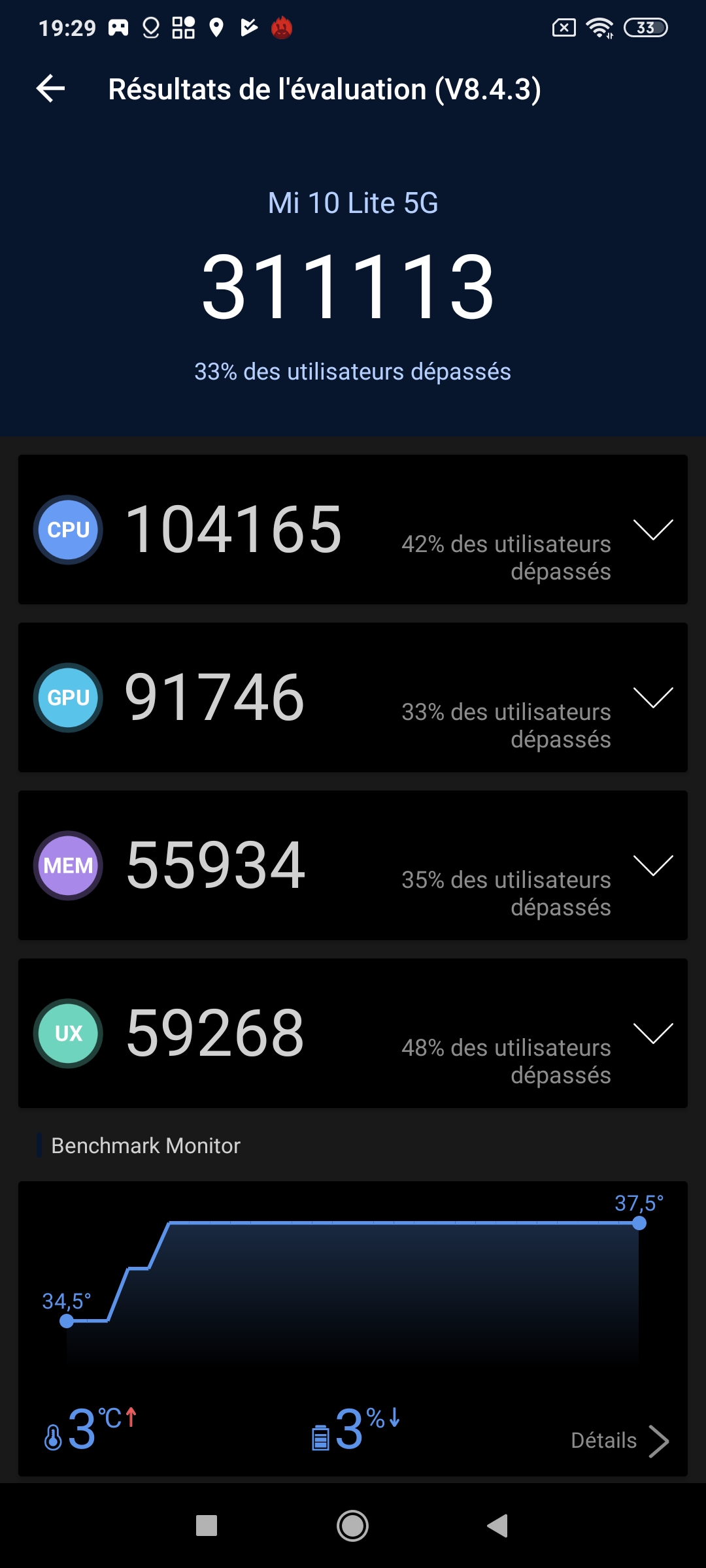
I scored over 300,000 points with Antutu and over 3000 points with 3DMark. With this level of performance, the Mi 10 Lite will allow any game to run with the maximum level of graphics. In this price bracket (250 to 300 € at launch), the Mi 10 Lite is probably the smartphone offering the best price / power ratio. Gaming





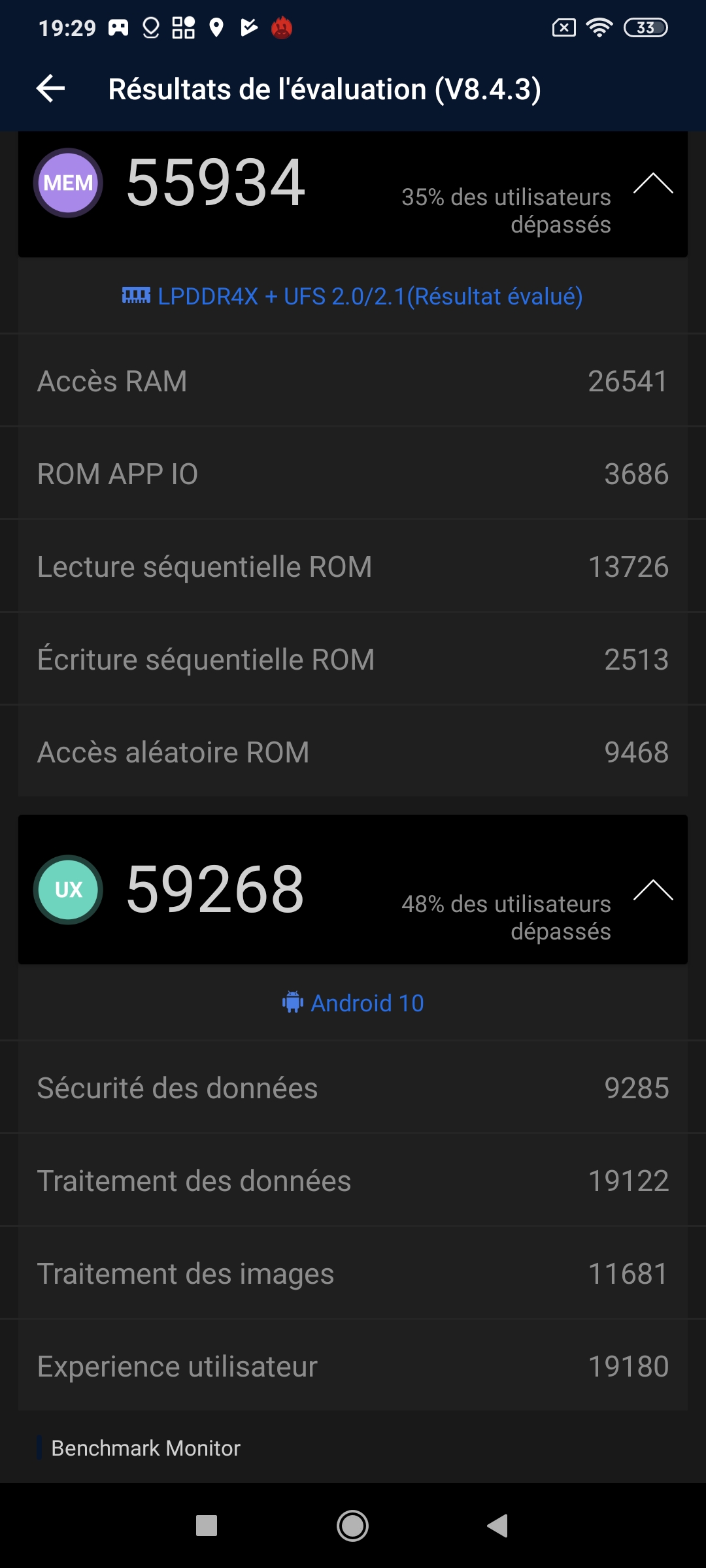
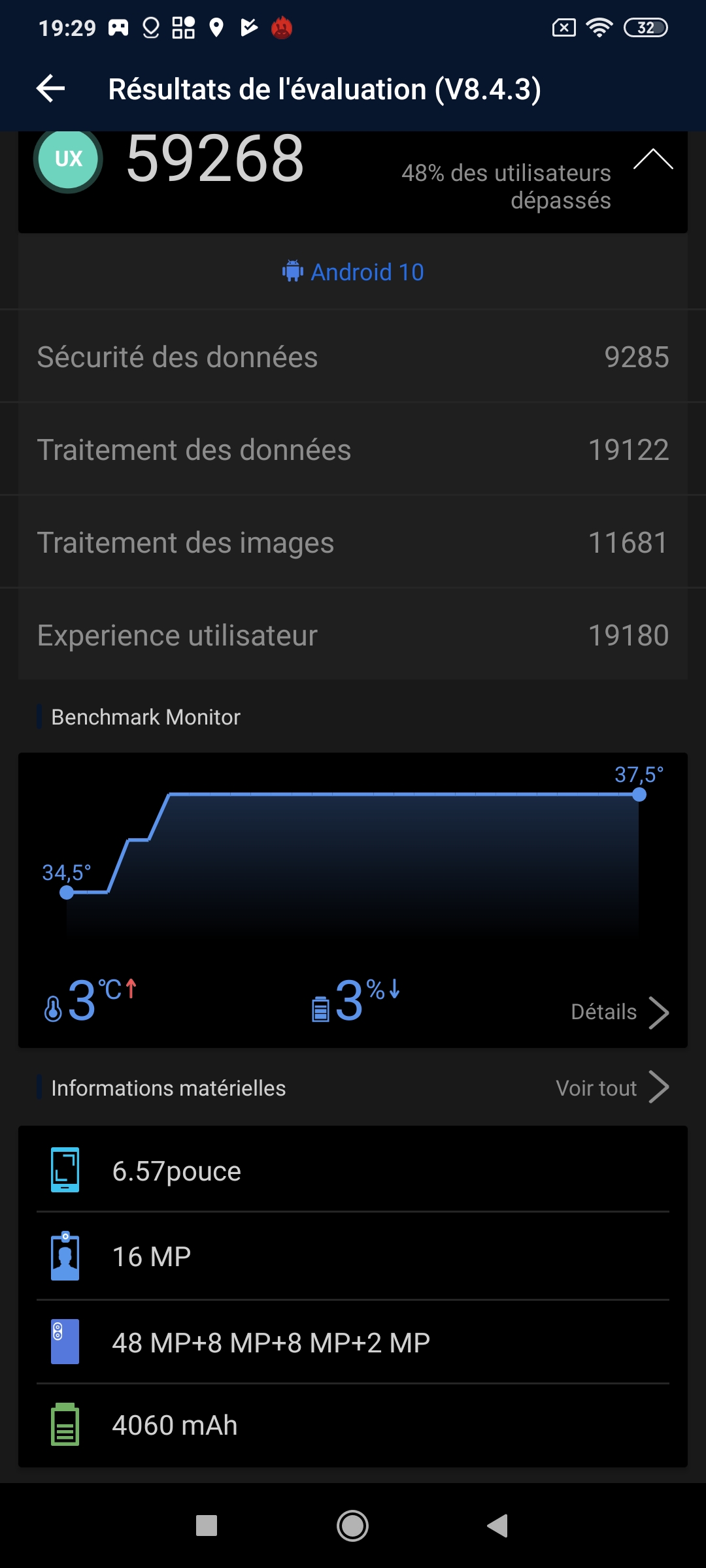
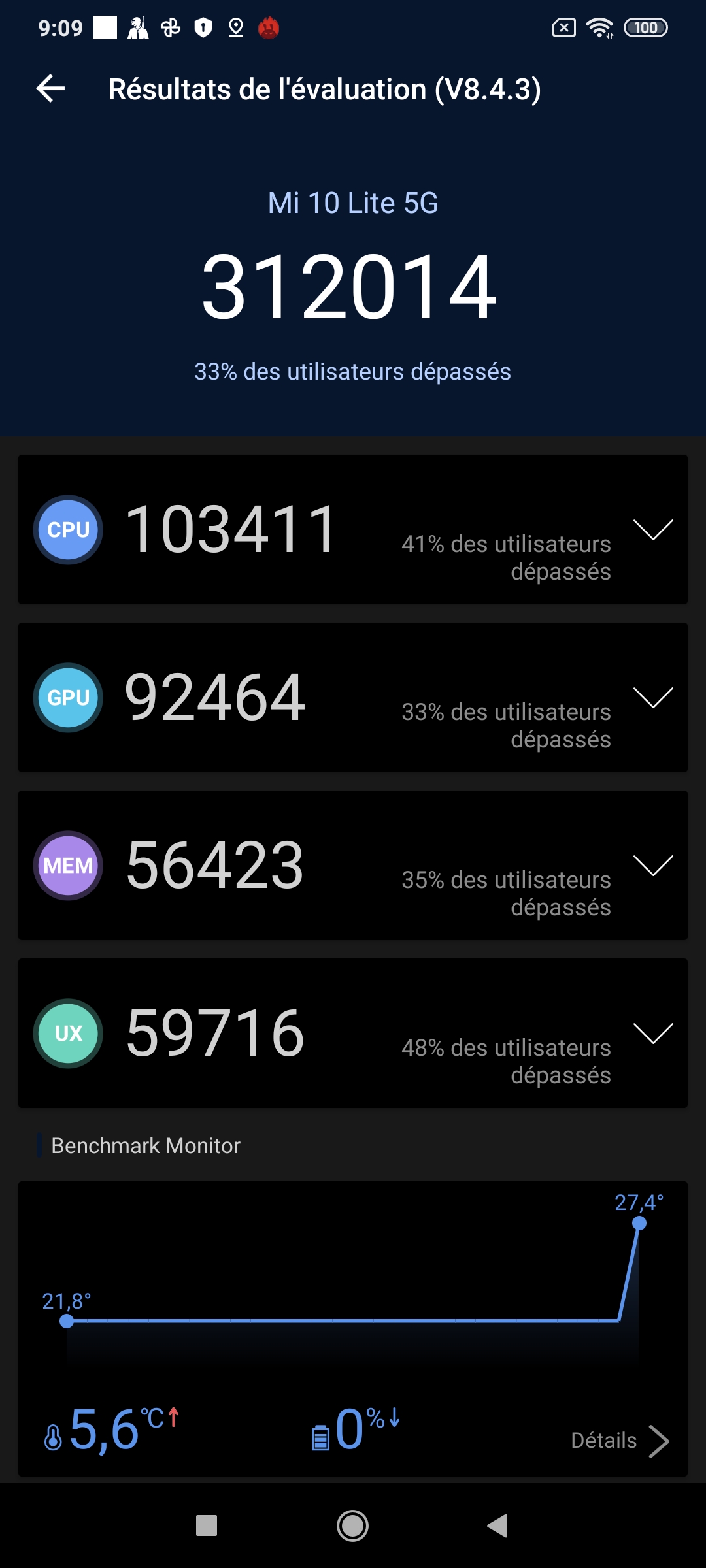
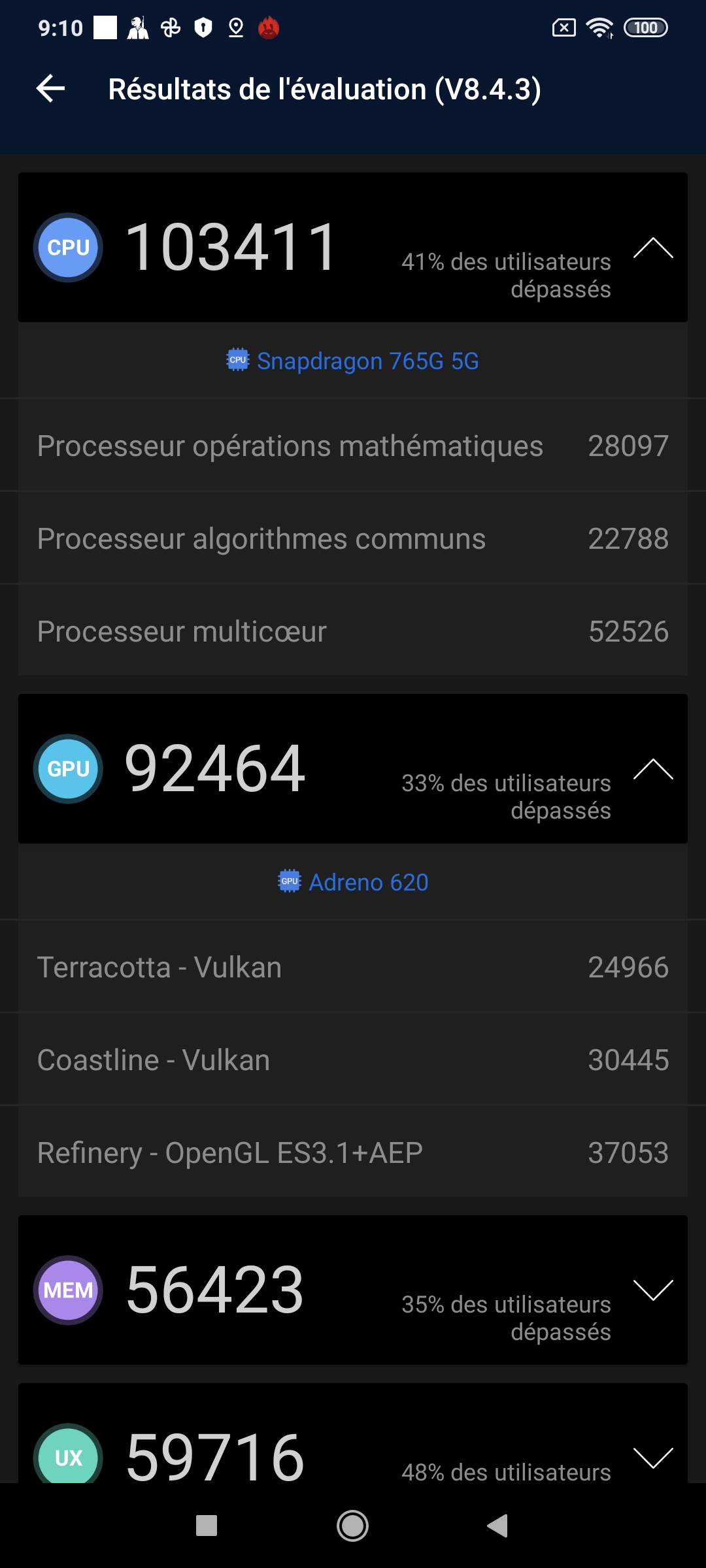
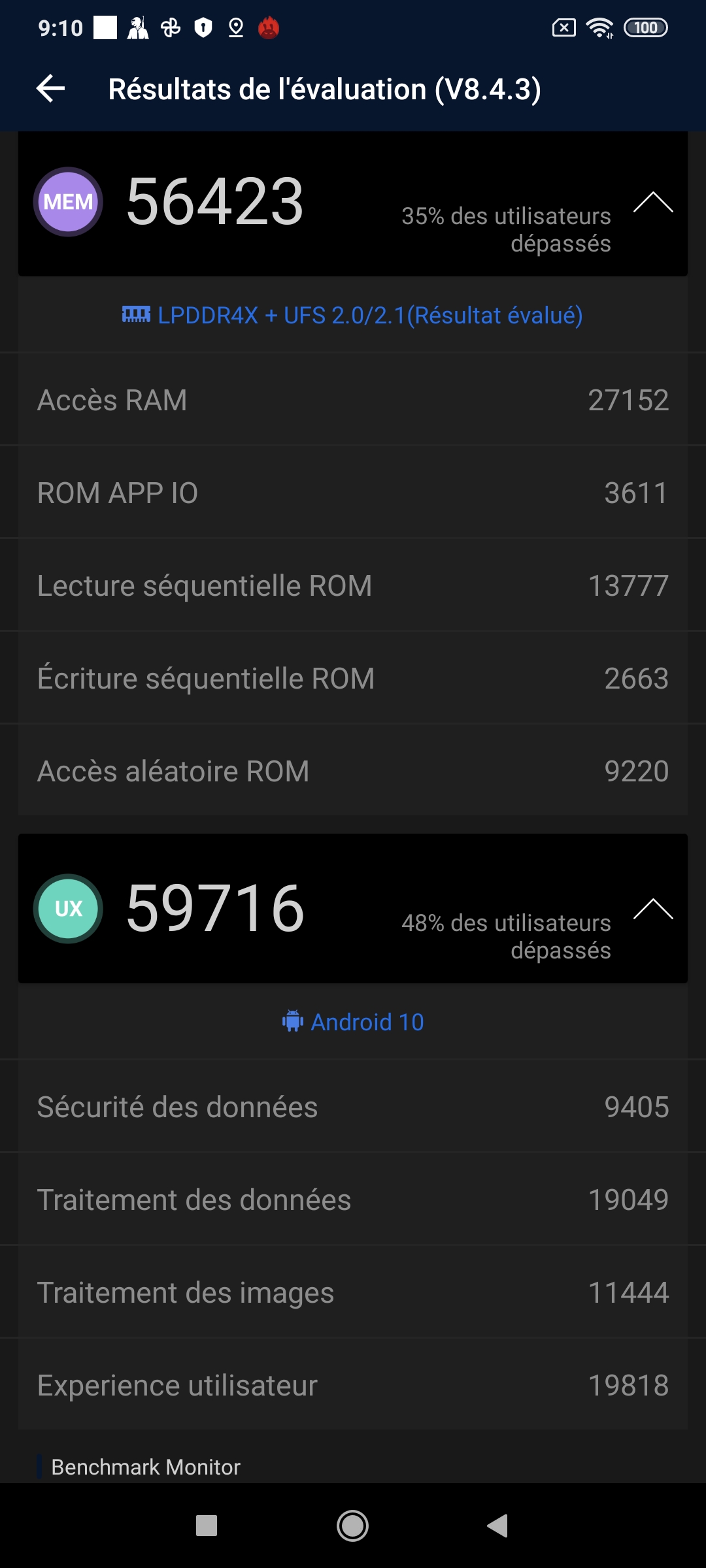
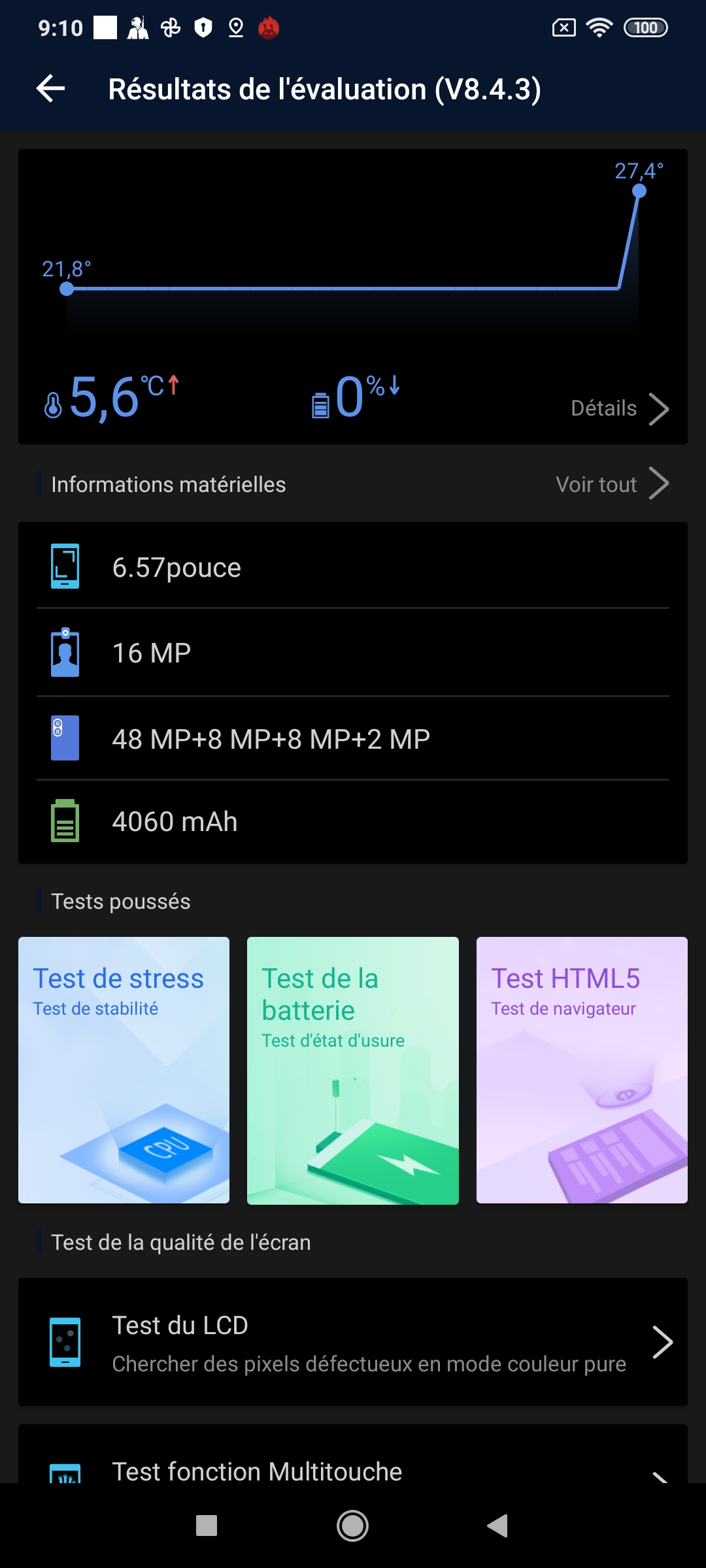
To test the performance in game, I download the mobile PUBG game and evaluate the in-game experience, graphics level and depth of vision. This game is quite demanding and should help you evaluating the performance of a phone.With its performance of over 300,000 points with Antutu, the Mi 10 Lite must be able to run any game without difficulty. I tested PUBG Mobile and the in-game experience is very good, the level of graphics is high, the movements are smooth and the scenery is visible from a great distance.
Network performance
Although 5G is not yet very widespread, Xiaomi has started to release several phones supporting this new type of network and the Mi 10 Lite is one of the cheapest 5G phones on the market today. If you don't have 5G coverage today, then that won't do you much good but if you keep your phone 2-3 years, you won't have to switch phones the day 5G is available. For 3G / 4G, the Mi 10 Lite supports all frequencies commonly used in Europe with in particular the B28 in 700 MHz for the few operators who market it. [network_support]Signal 4G (before december 2020)The ability to pick up the network correctly is an essential element for a phone but it is only very rarely measured. To measure a phone's ability to pick up the network, I perform a large number of measurements on the same cells to be able to compare phones under similar conditions. The signal is measured in dBm, a value of -90dBm indicates a worse signal than -70dBm. These measurements are therefore taken under real conditions and not in a laboratory, they are not scientific but give a good indication of performance.
[short_signals]
Not yet available / tested
Signal 4G (from December 2020)
I decided to change the methodology for measuring the network because I noticed that the configuration of the mobile network changes over time. This makes it more difficult to compare phones because the conditions are no longer exactly the same.
To overcome this problem, I set up a device that captures 24 hours a day about ten parameters from the mobile network (ex: cell id, rssi, rsrq, snr, frequency,...). I then place the phone next to the device for 24 to 48 hours taking the same measurements so that I can compare them.
Overview of the phones tested with this methodologyDownload/Upload speed
To test the download speed, I have identified some 4G cells offering good performance where I test all my devices several times to see what download and upload speed they can achieve.
Not yet available / tested
Wifi performance
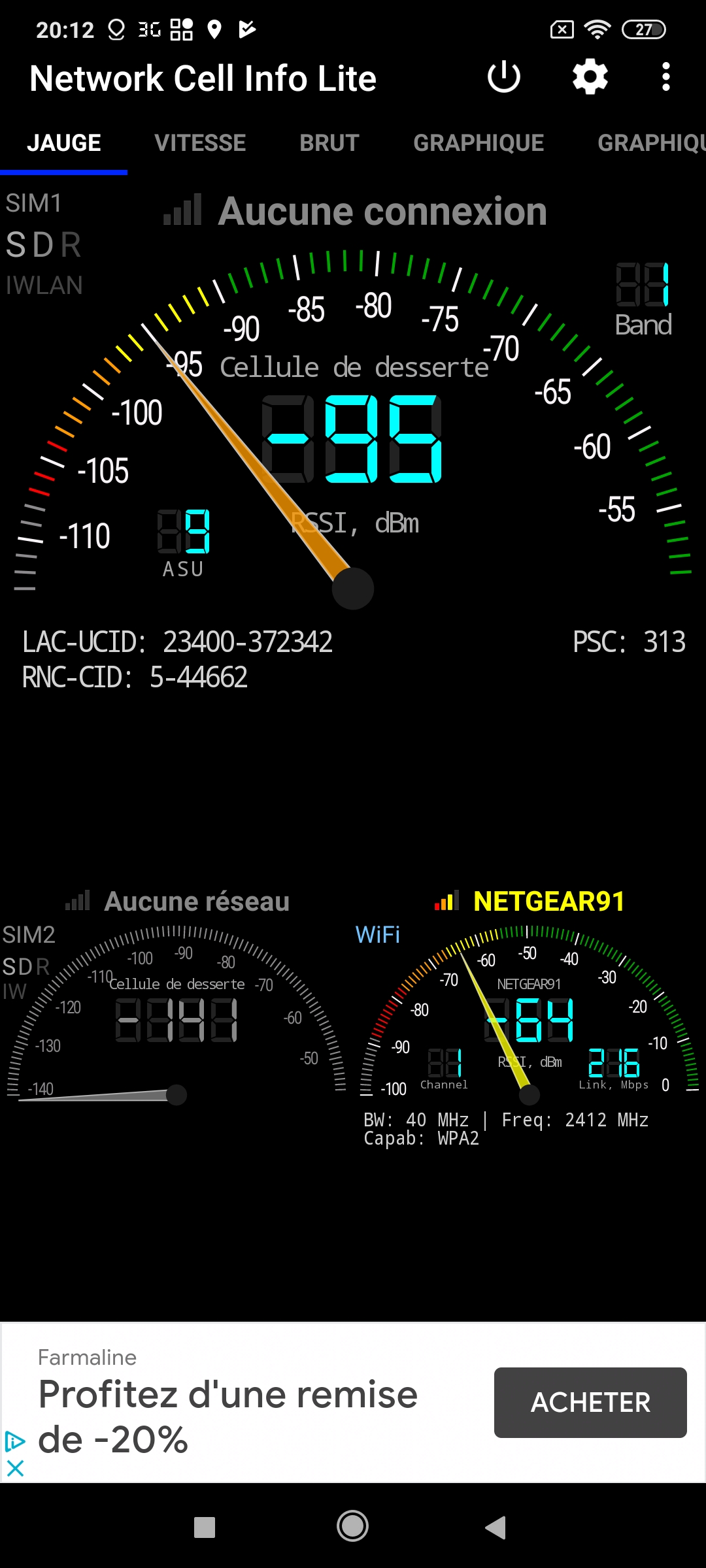
To test a phone's ability to receive the network properly, I take measurements near my router and then remotely (and always at the same place). This gives me an average in dBm where a value of -90 dBm indicates poorer performance than a value at -30 dBm.Wifi signalI measured a signal of -19 dBm near the router, it is a very good score which places the Mi 10 Lite in the top 5. From a distance I measured a signal of -64 dbM, it is here also an excellent score showing that the Mi 10 Lite captures wifi very well. Download/Upload speed


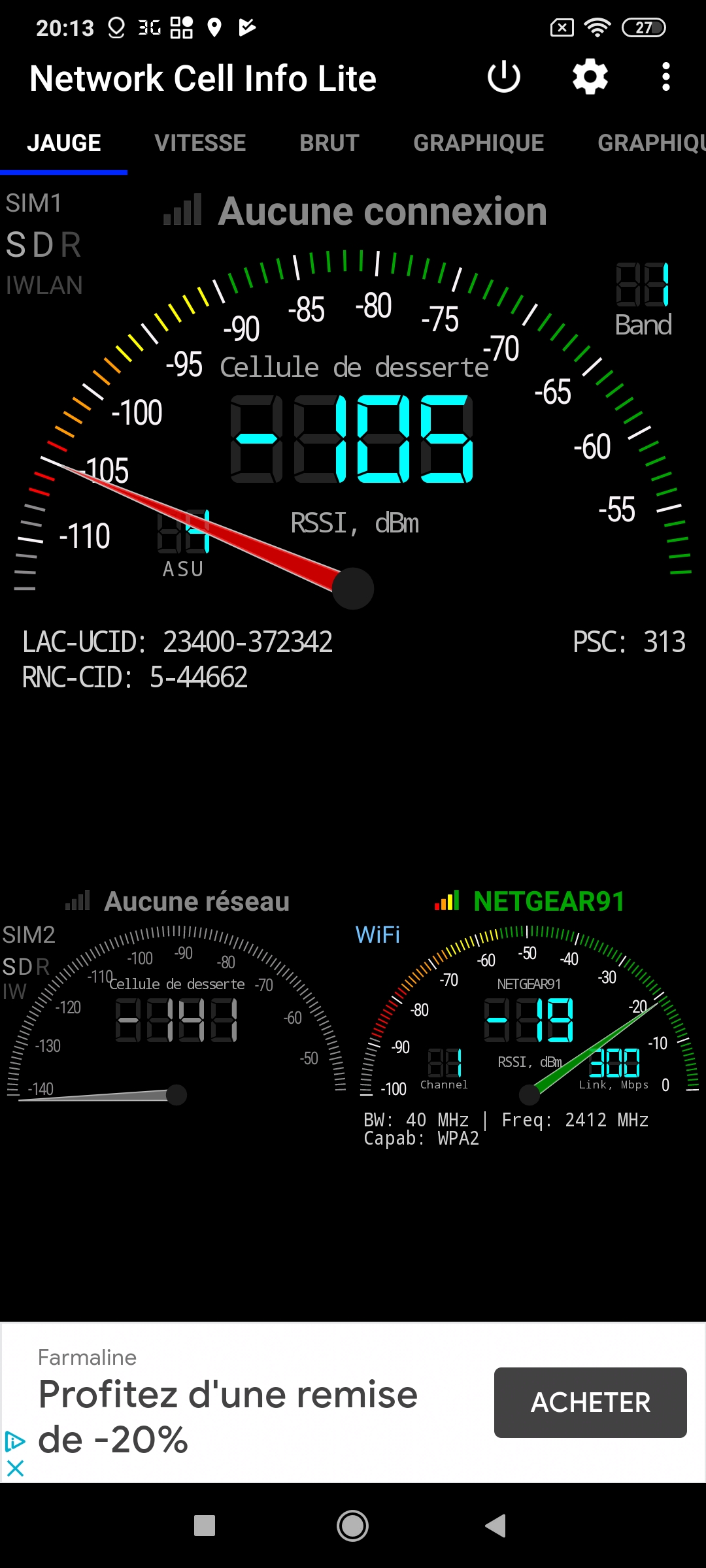
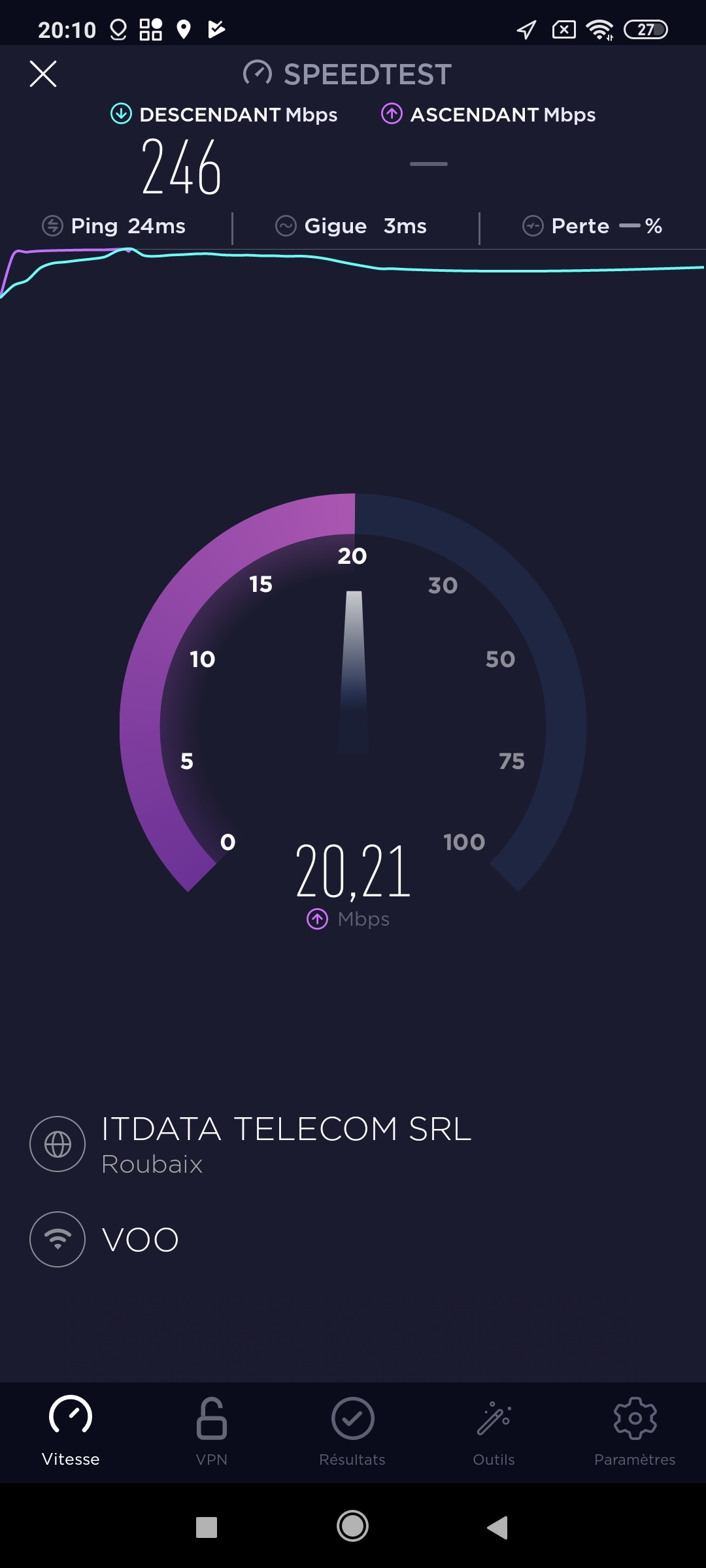
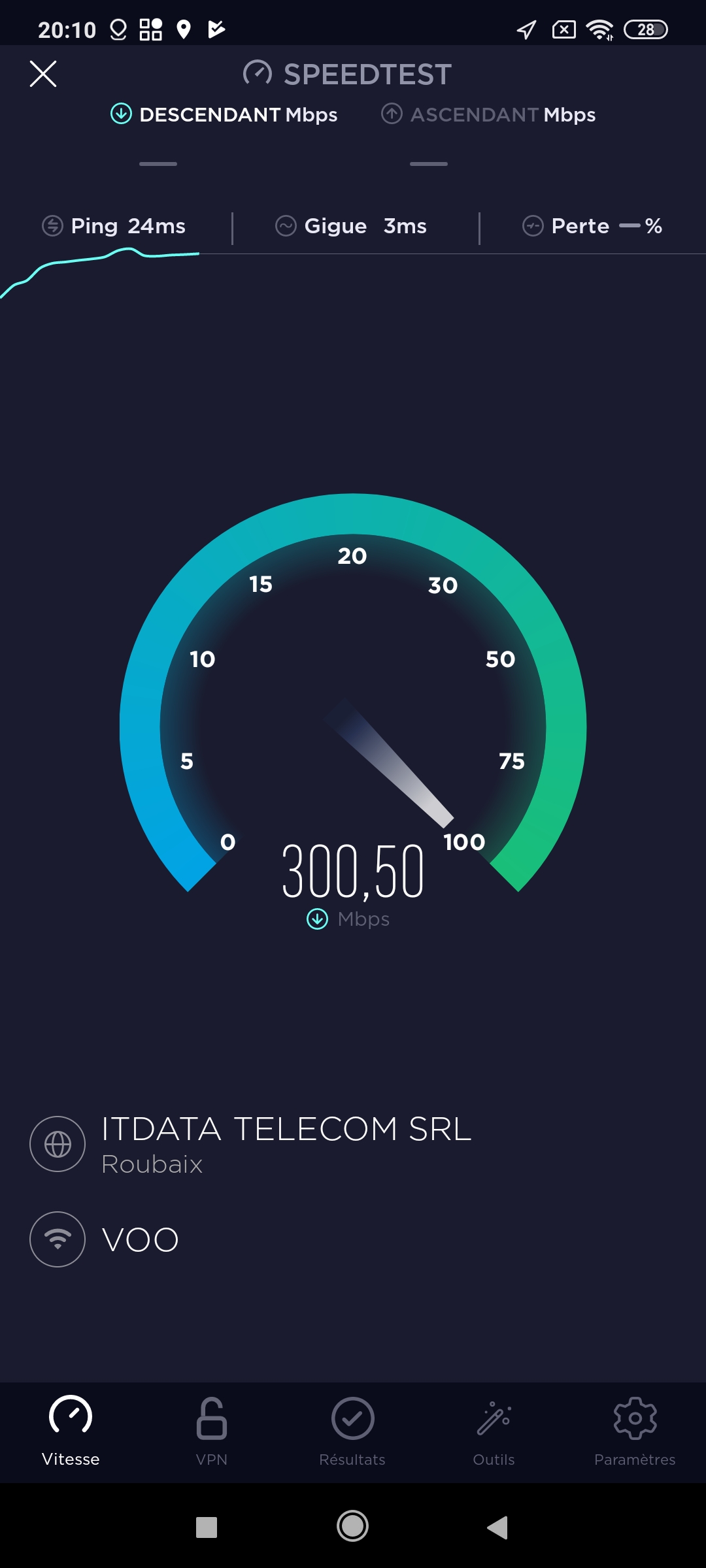
To test the speed in Wifi, I connect to my router in 2.4Ghz and 5Ghz (if available) and use the Ookla application to measure the speed.I got a download speed of 300 Mbps in download, this is also a very good score that will allow you to stream in HD or play on a network without any problem.


GPS performance
To test the quality of the GPS signal I use the Offline Maps application and I make the same train trip in pedestrian mode. Why? In pedestrian mode, the GPS does not artificially correct the signal to stick to the road, it has no markings, so you can see the actual position. I then use an application to measure the accuracy of the signal. Not yet available / testedBattery range
The capacity of the batteries changes every year and last year the standard was around 4000 mAh. The Xiaomi Mi 10 Lite therefore does not follow the trend of this year where we find more and more smartphones with a battery of 5000 mAh (or more). A smaller battery means less weight and less thickness, which is what allows this Mi 10 Lite to stay below 200 grams despite its huge screen. With the screen on at 100%, the Mi 10 Lite's energy score is average and this is often the case with phones with a large, bright screen. If I lower the brightness to 50%, the energy efficiency increases sharply (non-linearly) and the Mi 10 Lite ranks among the best phones I have tested this year. The 4100 mAh battery will allow you to last 2 to 3 days in normal use.Photo camera test
To test the quality of photos produced by a phone, I do a technical test (resolution, sharpness, chromatic aberration,...) in studio (identical conditions) to evaluate the technical part objectively. From the second half of 2020, I built my own laboratory to take completely objective technical measurements. I then take pictures in real conditions to see how the camera performs. I then evaluate these photos according to my criteria but I publish the photos so that you can evaluate the result according to your criteria.Hardware
The Mi 10 Lite's photo module is made up of 4 sensors: Main sensor: 48 MP, f / 1.8, 0.8µm, 26mm equivalent Ultra wide-angle sensor: 8 MP, f / 2.2, 1.12µm, 15mm equivalent Macro sensor: 2 MP, f / 2.4 Depth sensor: 2 MP, f / 2.4 The official site does not give information on the brand of the main sensor but it would be an Omnivision OV48B sensor where the Mi 8 Lite and Mi 9 lite were equipped with a Sony sensor. I have not yet been able to test a sensor from this brand. The first tests I have done show that this sensor produces a picture style quite close to what I was able to achieve with some Sony sensors and that's a good thing.Default app The default photo application of Mi 10 Lite is the same as the one used in other Xiaomi smartphones, this application offers many possibilities such as slow motion videos (960 fps) or timelapse , filters, macro mode, portrait mode, ... etc ... I have not seen anything new compared to other Xiaomi, it's copy / paste.Photo quality
Photo test / studioFirst example: ƒ / 1.79 1/215 4.71 mm 50 ISO
 Exposure: good Sharpness: good Colors: good Depth of field: good Distortion: none Chromatic aberration: none Vignetting: none Digital noise: none The main sensor of the Xiaomi Mi 10 Lite produces good photos under artificial light, it can choose the right exposure, the colors are correctly saturated and the sharpness is good. The dust on the hood of the car is visible without zoom, it will be even more visible with the zoom (see third example) Second example: ƒ / 2.2 1/308 1.65 mm 50 ISO
  Exposure: slightly underexposed Sharpness: medium Colors: a little too dark Depth of field: medium Distortion: slight Chromatic aberration: none Vignetting: none Digital noise: none Ultra wide angle sensors rarely produce good photos in my studio, it is not their area of predilection but what I see in the studio often holds true in other conditions as well. The ultra wide-angle sensor suffers from slight underexposure which produces colors that are too dark. The sharpness is average, the outlines are sharp but the details such as dust on the hood are more visible. There is also a slight distortion on the periphery of the photo. Third example: ƒ / 1.79 1/215 4.71 mm 50 ISO
  Exposure: good Sharpness: good Colors: good Depth of field: good Distortion: none Chromatic aberration: none Vignetting: none Digital noise: none The Xiaomi Mi 10 Lite does not have optical zoom, so it is the sensor used in the first photo that will play the role of zoom through digital zoom. Since this is the same sensor as in the first example, the characteristics of the photo are the same but the zoom allows you to better understand the sharpness of the photo. The dust on the hood of the car is even more visible here. The "Ford" logo is also legible although this logo is actually less than 2mm. Xiaomi has a habit of reusing its photo sensors on several models, the Mi 10 Lite however seems to use a sensor that I have not seen in other models recently. Its characteristics are similar to the sensor of the Xiaomi Mi A3 which used a Sony IMX 582 sensor. Anyway, the main sensor shows that it is capable of taking good photos in the studio, so it's promising for the future.
Photo test / sunny
Main sensor
 Exposure: correct Sharpness: good Colors: correctly saturated Depth of field: good Distortion: none Chromatic aberration: none Vignetting: none Digital noise: none When conditions are good the Xiaomi Mi 10 Lite is able to produce good photos. The photo above is made up of very dark areas and very light areas, however the Mi 10 Lite does not fall into the trap of overexposing the sky and many details are still visible in the dark area. The color temperature is correct, the photo was taken in the late afternoon, so the light is naturally warmer. Unlike the other examples, this photo is not overexposed, it could even be a little more exposed to lighten the trees. The sharpness is again very good, the leaves of the trees are very well detailed. Ultra wide angle sensor
  Exposure: slightly underexposed Sharpness: correct Colors: lack of saturation Depth of field: good Distortion: slight Chromatic aberration: none Vignetting: none Digital noise: none Ultra wide angle sensor produces photos correct but clearly does not reach the main sensor. The sharpness is much less pronounced, the image is a little less exposed and some dark areas lose detail. The colors lack a little saturation, the slight underexposure probably partly explains this problem. The photo is generally correct without being exceptional, the difference with the main sensor is quite obvious. This sensor should therefore only be used if a greater angle is required. Digital zoom
  Exposure: slight overexposure Sharpness: good Colors: correctly saturated Depth of field: good Distortion: none Chromatic aberration: none Vignetting: none Digital noise: none Using the zoom, I find the tendency to overexposure that I could see on other photos. The Mi 10 Lite tends to overexpose photos when it detects a greater proportion of dark areas. This is an unusual choice as phones often do the opposite choice which results in a photo that is too dark. This overexposure is therefore a good thing, provided you do not have too much of the sky in the photo because this area risks becoming completely white when the sky is blue (see the other photos). The detail level of the photo is again really good and the colors are saturated correctly. This Omnivision sensor is really interesting because it stands out from what I have been able to test so far, so it is capable of producing very good photos but it will undoubtedly require some adaptation time to fully understand how to use it. the best. If the scene to be photographed has a significant imbalance between light and dark areas, a choice must be made to prevent the bright area from losing too much detail. If the scene is balanced as in the first photo, the sensor is able to correctly restore all the light and dark areas without loss of sharpness. I also did some tests with HDR and AI mode but when the light is good, the result is sometimes unpredictable and we end up with colors sometimes too saturated. Among the following photos, you will find some examples that stand out in terms of colors and these differences are caused by HDR and AI mode. Photo test / cloudy

















































 Exposure: slightly overexposed Sharpness: good Colors: slightly too cold Depth of field: good Distortion: none Chromatic aberration: none Vignetting: none Digital noise: none When I take pictures on an overcast sky, I often get photos with a properly exposed sky and underexposed ground. The Mi 10 Lite stands out from what I've seen so far by applying a slight overexposure. This has the effect of having completely white areas in the sky but it has the advantage of illuminating the lower part of the photo. The level of detail of the bricks is really interesting, The best way to appreciate this result is to compare it with what I got with another phone at the same time. I had my Samsung Galaxy S20 with me and this is what I get in the same image:
  The building is better exposed with the Mi 10 Lite and the level of detail is higher than in the photo taken with the Samsung. The bricks are much more detailed on the Xiaomi, the outline of the clouds is also more precise. The difference is quite obvious, this Omnivision sensor is able to measure itself against high-end sensors from Samsung. All is not however perfect, The coloring is a little too bluish and that distorts the sky a little. Second example - zoom
  Exposure: overexposed Sharpness: good Colors: slightly too cold Depth of field: good Distortion: no Chromatic aberration: no Vignetting: no Digital noise: none The Xiaomi Mi 10 Lite is not equipped with optical zoom, so the main sensor is used in combination with a digital zoom. It is therefore not surprising to find the same photo characteristics as in the first example. The effect of overexposure is even more visible here because the building is even better lit and the sky is even more overexposed. The percentage of the photo occupied by the building is much higher and the phone has therefore set the exposure to a dark area. This zone therefore becomes clearer to the detriment of the sky which is found in overexposure. The level of detail is still as good and the colors are also too cold like in the first example. Third example - ultra wide angle
  Exposure: overexposed Sharpness: average Colors: slightly too warm Depth of field: good Distortion: slight Chromatic aberration: none Vignetting: none Digital noise: none The Mi 10 Lite's ultra wide angle sensor also produces slightly overexposed images but unlike the main sensor, the colors are too warm this time. The sharpness is worse than what I could see on the main sensor but this is often the case with ultra wide angle sensors. I will again compare this photo with the Samsung Galaxy S20 to better illustrate the differences between these two phones.
  The Samsung seems to focus on the sky by providing a properly exposed sky and using the right colors where the Xiaomi seems to favor the building. The colors produced by the Xiaomi are too warm and this is seen quite strongly where the too cold coloring of the main sensor was less visible. Here too, the sharpness treatment of the Xiaomi offers more sharpness than the Samsung. The other photos taken under the same conditions follow the same trend. The overexposure applied by the Mi 10 Lite can produce good photos when the sky is overcast as long as you do not give too much importance to what is below the horizon line as the sky may then be overexposed. The wide angle uses colors that are too warm and it shows strongly in photos on an overcast day. Test photo / night

















To test smartphones at night, I usually take photos of urban scenes but before doing the same test as with other phones, I tackled a much more difficult subject with a smartphone. I took the time to test the PRO mode to take pictures of the stars, we call it astrophotography. Phones aren't designed for that and yet what I got is absolutely amazing for a phone. I live on the edge of a small town where the sky is polluted by city lights and road lighting, I have never seen the Milky Way with the naked eye, so the challenge is not easy to relieve. So I waited until I had a cloudless night and tested pretty much all of the PRO mode settings. Here is what I was able to achieve:
 I got this result with Xiaomi's default photo app in PRO mode, I did not retouch the photo either with the camera or with Photoshop. I got this photo with an exposure time of 15 seconds, infinity focus, color temperature between 2000 and 3000k and 2000 ISO. To get the best result with my SLR camera, I have to put in a lot more effort to take the picture and edit it afterwards. Here I simply put the phone on my garden table, chose a 3 second delay and waited 15 seconds. If you live in a less polluted place, then you will be able to achieve even more impressive results. I also tested Gcam with the astrophotography mode which is designed to produce photos of this kind, Gcam also works very well on the Mi 10 Lite, it is the first time that I find a stable version that runs on a Xiaomi. The result is also very interesting.
  This kind of photo requires a lot more settings than what Xiaomi's photo app offers, so you have to spend a lot of time experimenting to get a good result.
Video quality
StabilisationNot yet available / tested
Video normale conditionsNot yet available / tested
Video low light
Not yet available / tested
Audio quality
To test the quality of the phone's audio output, I connect the device's audio output to a measuring tool, then play sounds on all frequencies and measure the differences between the original sound and the sound produced by the phone. In this way I measure the phone's ability to correctly reproduce all sounds.When I unboxed the Mi 10 Lite for the first time, I noticed a small "Hi-Res audio" logo on the box, this is the first time I see this logo on a Xiaomi phone. The official site does not give any explanation, so all that remains is to test the sound. The Mi 10 Lite has a mono speaker located on the bottom of the phone, this speaker produces higher quality sound than most speakers I have been able to test recently. This kind of loudspeaker obviously does not deliver the same level of quality as that of a real loudspeaker but the sound is of good quality, the highs are particularly well rendered. With headphones, the sound reminds me of what I heard on the Poco F2 Pro. The Mi 10 Lite does not produce a very powerful sound but thus avoids too much distortion when the volume is high. The high and low frequencies are correctly rendered, the sound is of good quality but it does not yet reach the level of a Samsung Galaxy S20 or S10 +.Frequency ResponseThis test is intended to test the device's ability to correctly reproduce all frequencies. The white line in the middle of the graph is the ideal situation and the other colors come from tests on different phones. A deviation from the reference line indicates a deviation from the ideal situation. To see good sound at all frequencies, it is therefore necessary to get as close as possible to the reference line.
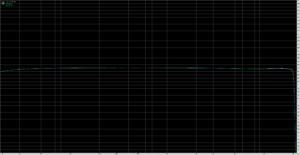 I had noticed a resemblance between the Poco F2 Pro and the Mi 10 Lite in terms of noise and this is also verified in the technical test. The curve of the Mi 10 Lite follows exactly that of the Poco F2 Pro, there is no difference. The Mi 10 Lite deviates a bit from the norm in the very low frequencies but I doubt that you can hear the difference by ear. I have the same on the higher frequencies but here again I doubt you can hear this deviation by ear. The Mi 10 Lite is therefore able to correctly reproduce all frequencies and therefore offers good sound quality.Dynamic Range
This test is designed to test a phone's ability to play sounds at different volume levels. Here too, the phones must be as close as possible to the reference.
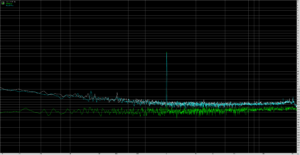 Here too the Mi 10 Lite follows the curve of the Poco F2 Pro. As I said above, the Mi 10 Lite delivers good sound quality but at a lower volume than I have been able to test on other Xiaomi phones. Last year Xiaomi still seemed to be looking for sound settings, sometimes I had a phone with a very loud volume and a lot of distortion and sometimes I had just the opposite. This year Xiaomi seems to have made the choice for less volume and more quality.Noise Level
This test aims to identify if the device under test is able to reproduce sounds without too much noise. A high score indicates a low parasite rate, a lower score indicates a higher presence of parasites.
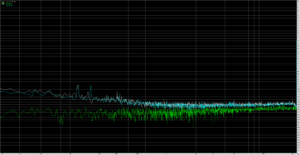 I did not notice any problem with the noise interference, the Mi 10 Lite is average of what I have been able to test so far.
Screen quality
To test the screen, I use a colorimetric probe that measures the color accuracy of a screen, as well as other parameters to see if a screen is able to correctly reproduce an image. I also test the brightness level to determine if the screen will be able to display an image in full sunlight. ColorimetryNot yet available / tested
Brightness / Contrast
Not yet available / tested
Not yet available / tested
Biometry
Not yet available / testedOperating system
Not yet available / testedEncoutered bugs
Not yet available / testedAccessories
Compare with the others
Test / Review conclusion
Not yet available / testedStrengths
Not yet available / tested
Weaknesses
Not yet available / tested
Alternatives to this product
Not yet available / tested




Commentaires (108)